
Introduction
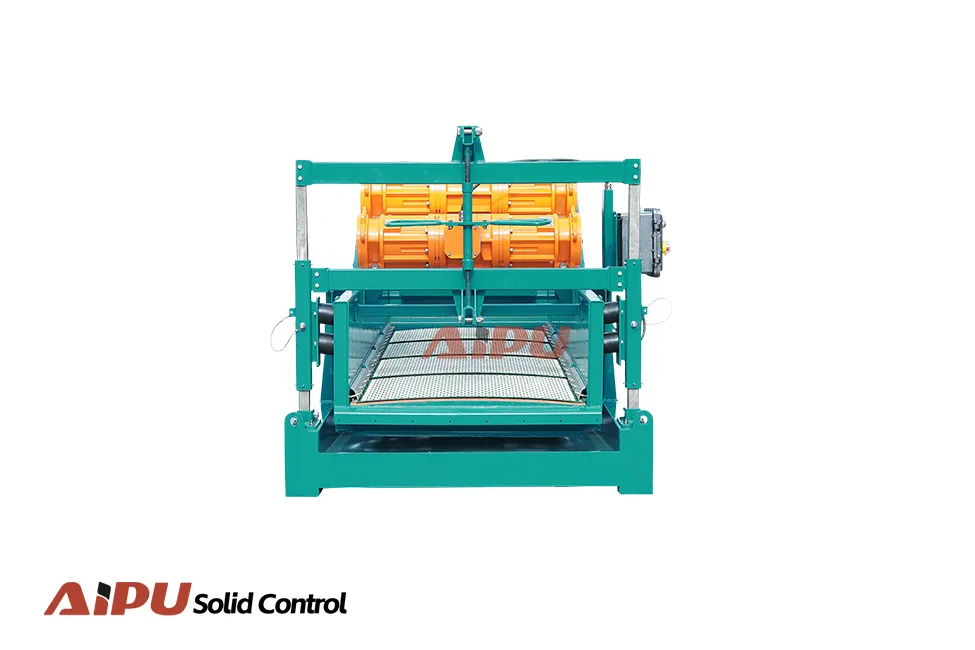
The shale shaker is the primary and most critical solid control equipment in any drilling fluid system. As the first line of defense, its primary function is to remove large drilled solids (typically >74 microns) from the circulating drilling mud. Efficient shale shaker operation is paramount for maintaining mud properties, protecting downstream equipment, and ensuring overall drilling efficiency and cost control.
Technical Working Principle
Shale shakers utilize high-frequency, linear or elliptical motion to convey drilled cuttings across a vibrating screen surface. As fluid passes through the screen mesh, larger solids are transported off the discharge end. Modern shakers employ balanced elliptical or linear motion, generated by dual vibratory motors rotating in opposite directions, to maximize solids conveyance and fluid throughput while minimizing fluid loss.
Key Components and Specifications
Critical components define shaker performance and application suitability. Key specifications include:
- Screen Mesh: Ranges from API 20 to API 325, with finer meshes for weighted muds.
- Vibration Motors: Typically 2-5 HP each, providing 4.0-7.0 G's of acceleration.
- Deck Type: Single, double, or triple deck configurations for staged separation.
- Flow Capacity: Can handle 500-2,000+ GPM depending on model and mud type.
- Screen Angle: Adjustable deck angle (0° to +5°) optimizes solids drying.
Operational Benefits
Properly sized and operated shale shakers deliver substantial operational and economic value.
- Reduces dilution and chemical treatment costs by efficiently removing solids.
- Protects downstream hydrocyclones, centrifuges, and mud pumps from abrasive wear.
- Maintains optimal mud weight and rheology, directly impacting ROP and wellbore stability.
- Minimizes waste volume, reducing environmental footprint and disposal costs.
Industry Applications
Shale shaker technology is tailored for specific drilling environments. High-performance linear motion shakers are standard for high-flowrate, unweighted mud applications in top-hole sections. For weighted muds in deeper, more critical sections, balanced elliptical motion shakers running fine mesh screens (API 200+) are essential to recover expensive barite. The latest advancements include cascade and pyramid deck designs for ultra-fine screening.
Maintenance Considerations
Proactive maintenance is crucial for sustained performance and uptime. Daily inspection of screen integrity, tension, and sealing is mandatory. Regular checks of motor mounts, vibration isolation elements, and electrical connections prevent catastrophic failure. Implementing a structured screen replacement schedule based on observed wear, rather than time, optimizes cost and performance.
Conclusion
The shale shaker remains the cornerstone of effective solids control. Continuous innovation in motion, screen technology, and deck design has significantly enhanced its efficiency and reliability. For drilling engineers, selecting the correct shale shaker technology and ensuring its optimal operation is a direct lever for improving drilling performance, lowering operational costs, and mitigating wellbore risks. Its role is irreplaceable in the modern drilling fluid system.