
Introduction
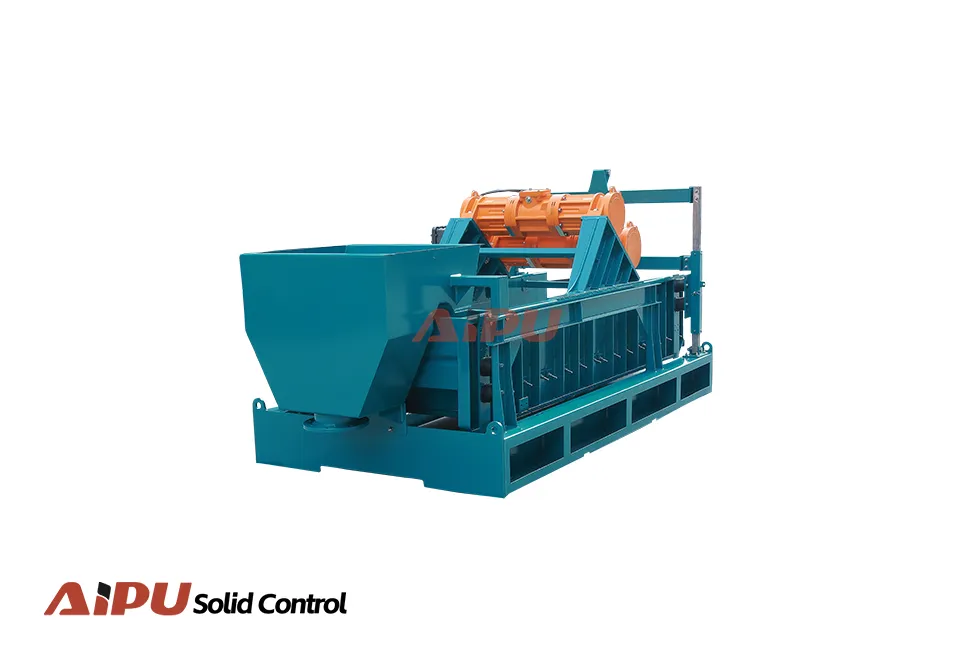
The shale shaker is the primary and most critical solid control equipment in drilling operations. As the first line of defense in the mud system, its primary function is to remove large drilled solids (typically >74 microns) from the drilling fluid. Efficient shale shaker performance is paramount for maintaining mud properties, protecting downstream equipment, and ensuring overall drilling efficiency and cost control.
Technical Working Principle
Shale shakers utilize high-frequency, linear or elliptical motion to convey drilled cuttings across a vibrating screen surface. As fluid passes through the screen mesh, larger solids are transported off the discharge end. The key to separation is the combination of screen mesh size (measured in API mesh or microns) and the G-force generated by the vibrating motors. Modern shakers often employ balanced elliptical or linear motion to optimize solids conveyance and fluid throughput.
Key Components and Specifications
Critical components define a shaker's capability. Key specifications include:
- Deck Configuration: Single, double, or triple deck for staged separation.
- Screen Surface Area: Ranges from ~10 to 20+ sq ft per unit, affecting capacity.
- Vibration Motors: Provide 4-7 G's of acceleration for effective solids conveyance.
- Screen Mesh: From coarse (API 20-80) to fine (API 200+), selected based on mud weight and solids size.
- Flow Capacity: High-performance models can handle over 1,500 GPM of weighted mud.
Operational Benefits
Properly functioning shale shakers deliver direct operational and economic advantages.
- Reduces dilution and chemical treatment costs by maintaining desired mud weight and viscosity.
- Protects centrifugal pumps, desanders, desilters, and decanter centrifuges from abrasive wear.
- Enhances drilling rate (ROP) by reducing solids content in the active system.
- Minimizes waste volume, lowering disposal costs and environmental footprint.
Industry Applications
Shale shaker technology is applied across all drilling environments but is particularly critical in:
- High-Pressure, High-Temperature (HPHT) Wells: Where precise mud control is non-negotiable.
- Directional & Horizontal Drilling: Managing high solids loading from extended reach sections.
- Weighted Mud Systems: Using fine screens (e.g., API 200) to recover barite while discarding drilled solids.
- Offshore Operations: Where space and waste management are premium concerns.
Maintenance Considerations
Maximizing uptime and performance requires disciplined maintenance.
- Regular inspection and tensioning of screen panels to prevent bypass and premature failure.
- Monitoring motor vibration patterns and amperage draw for early fault detection.
- Ensuring feed and discharge boxes are sealed to prevent slurry bypass.
- Keeping walkways and dampeners clean to maintain designed G-force and motion.
Conclusion
The shale shaker remains an indispensable and evolving technology in modern drilling. Innovations in screen technology, motion dynamics, and automation continue to push the boundaries of separation efficiency. Investing in proper shaker selection, operation, and maintenance is a direct contributor to safer, faster, and more cost-effective drilling operations by safeguarding the integrity of the entire drilling fluid system.