
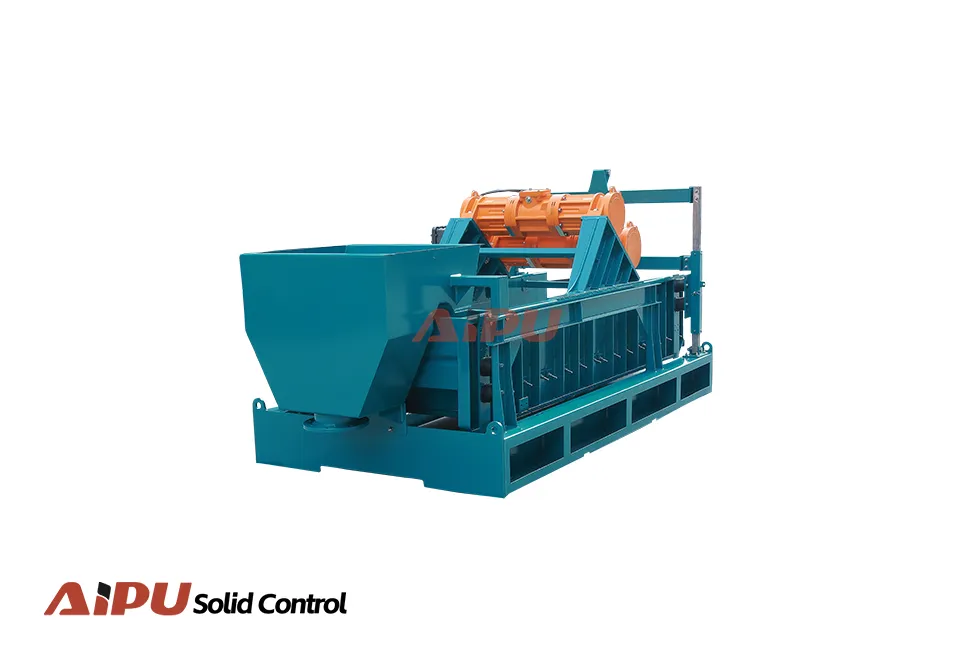
Introduction: The Primary Defense in Drilling Fluids Management
The shale shaker stands as the first and most critical stage in any solids control system. Its primary function is to remove large drilled solids, typically those exceeding 74 microns (200 mesh), from the drilling fluid (mud) as it returns from the wellbore. Effective primary separation at this initial phase protects downstream equipment, maintains mud properties, and directly impacts overall drilling efficiency and cost.
Technical Working Principle: Vibratory Separation
Shale shakers operate on the principle of vibratory screening. Contaminated drilling fluid is distributed across a vibrating screen surface. The high-frequency, linear or elliptical motion imparted by vibratory motors conveys solids toward the discharge end while allowing liquid and finer particles to pass through the screen mesh. The "G-force" or vibration intensity is a critical parameter, balancing separation efficiency with screen life.
Key Components and Specifications
Modern shale shakers are engineered for high performance and reliability. Key specifications include:
- Screen Surface Area: Ranges from 8 to 16 ft² per unit, with multiple decks common for increased capacity.
- Vibration Mechanism: Dual, balanced vibratory motors generating 4-7 G's of acceleration.
- Screen Mesh: From coarse (API 20-30) to fine (API 200+), often layered in pyramid or compound configurations.
- Flow Capacity: Designed to handle full rig circulating rates, often up to 1200 GPM per machine.
Operational Benefits and Efficiency Gains
A high-performance shale shaker delivers substantial operational and economic advantages. By removing a maximum of solids at the first opportunity, it reduces dilution and chemical treatment costs. It preserves the rheological properties of the drilling fluid, leading to better hole cleaning, reduced torque and drag, and lower risk of stuck pipe. This directly translates to increased ROP and lower total cost per foot.
Industry Applications and Configuration
Shale shakers are deployed on every drilling rig, from land to deepwater. Configurations vary based on application:
- High-Pressure, High-Temperature (HPHT) Wells: Utilize fine-mesh screens and robust sealing.
- High-Rate Production Drilling: Often employ multiple units in parallel or cascading "scalping" shakers to manage large flow volumes.
- Managed Pressure Drilling (MPD): Integrated into closed-loop systems with specialized flumes and vacuum systems.
Maintenance Considerations for Peak Performance
Proactive maintenance is essential for sustained shale shaker efficiency. Key practices include regular inspection of screen integrity and tension, monitoring motor vibration and temperature, and ensuring proper fluid distribution. Screen life is the primary consumable cost; optimizing feed flow and G-force for the specific mud and solids load maximizes runtime. Proper housekeeping prevents screen blinding and maintains safety.
Conclusion: A Foundational Technology Evolving
As the initial solids control device, the shale shaker's performance sets the stage for the entire waste management and fluid recovery process. Continued innovations in screen technology, motion dynamics, and integration with digital monitoring systems ensure it remains a cornerstone of efficient, cost-effective, and environmentally responsible drilling operations. Investing in optimal primary separation yields exponential returns through the drilling lifecycle.