
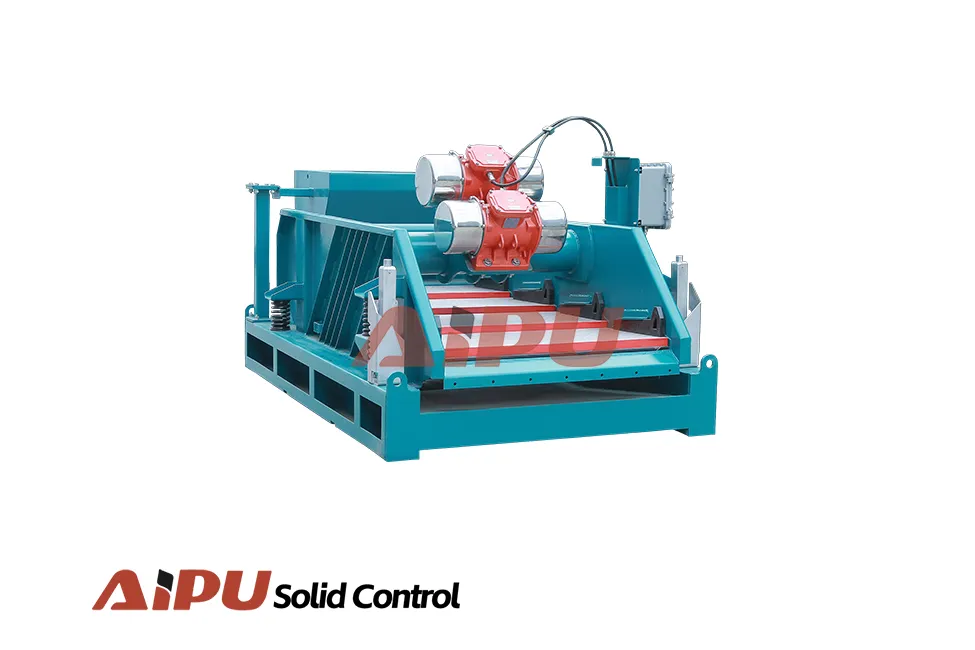
Introduction to shale shakers in Modern Drilling
As the primary and most critical component of any solids control system, the shale shaker is indispensable to efficient and economical drilling operations. Its fundamental role is to remove large drilled solids, or cuttings, from the drilling fluid (mud) as it returns from the wellbore. Effective primary separation with a high-performance shale shaker protects downstream equipment, maintains optimal mud properties, reduces overall waste volumes, and directly contributes to lower drilling costs and enhanced wellbore stability.
Technical Working Principle
Shale shakers operate on the principle of vibratory screening. The returning mud slurry is distributed across a vibrating screen surface. The vibration, typically generated by unbalanced motors or exciters, imparts a high-G, high-frequency motion to the screen panel. This motion fluidizes the mud, allowing the liquid and fine particles (under the screen mesh size) to pass through as "throughput," while the larger cuttings are conveyed off the screen's discharge end as waste. Modern units utilize linear, elliptical, or balanced elliptical motion to optimize conveyance and liquid handling for different mud types and drilling phases.
Key Components and Specifications
A shale shaker's performance is defined by its core components and their specifications. Key elements include the vibrating basket, screen panels, vibration motors, and the feed/flow distribution system. Critical technical specifications that drilling engineers evaluate include:
- Screen Mesh Size: Ranges from coarse (API 20-30) to ultra-fine (API 200+), selected based on required cuttings removal efficiency.
- Deck Configuration: Single, double, or triple decks for staged separation.
- G-Force & Frequency: Modern shakers can operate at 5-8 G's, with adjustable settings for optimal performance across different formations.
- Flow Rate Capacity: Rated in gallons per minute (GPM), with high-capacity units handling 1,500+ GPM to match high-rate drilling.
Operational Benefits and Efficiency Gains
Properly selected and operated shale shaker technology delivers substantial operational and financial benefits. It is the first line of defense in solids control, directly impacting the entire drilling fluid system. Key benefits include:
- Mud Conservation: Efficient solids removal reduces the need for costly dilution and chemical treatments.
- Equipment Protection: By removing abrasive solids early, it extends the life of pumps, degassers, desanders, and desilters.
- Reduced Waste Disposal Costs: Drier discharged cuttings lower haul-off and environmental handling expenses.
- Enhanced Drilling Performance: Cleaner mud improves rate of penetration (ROP) and reduces the risk of downhole complications like stuck pipe.
Industry Applications and Deployment
Shale shaker applications extend across all drilling environments but are particularly critical in demanding operations. On land-based rigs and offshore platforms, they are configured to handle specific challenges. In high-pressure, high-temperature (HPHT) wells, shakers must maintain integrity with specialized seals and materials. For drilling with non-aqueous fluids (NAF) or synthetic-based muds, shakers are optimized for fluid recovery to minimize expensive fluid losses. The technology is also central to closed-loop and zero-discharge systems, where maximum fluid reclamation is mandated.
Maintenance and Performance Considerations
To sustain peak efficiency and uptime, a proactive maintenance regimen is essential. This involves regular inspection and replacement of worn screen panels to prevent bypass and maintain cut-point. Routine checks of vibration motor mounts, screen tensioning systems, and electrical connections prevent catastrophic failures. Operators must also monitor and adjust feed distribution and screen angle to ensure full screen utilization and prevent fluid "channeling," which drastically reduces effective separation area and performance.
Conclusion
The shale shaker remains a technologically evolving cornerstone of drilling fluid management. Innovations in screen technology, motion dynamics, and automation continue to push the boundaries of separation efficiency and reliability. For the drilling engineer, a deep understanding of shale shaker principles, specifications, and operational best practices is not optional—it is fundamental to executing safe, cost-effective, and successful drilling programs. Investing in and optimizing this primary solids control equipment delivers immediate and measurable returns across the entire drilling operation.