
Introduction
The shale shaker is the primary and most critical solids control equipment in any drilling fluid system. As the first line of defense, its primary function is to remove large drilled solids (typically >74 microns) from the drilling mud, protecting downstream equipment and maintaining mud properties. Efficient shale shaker operation is paramount for optimizing drilling performance, reducing costs, and ensuring wellbore stability.
Technical Working Principle
Shale shakers utilize high-frequency, linear or elliptical motion to convey cuttings across a vibrating screen surface. As fluid-laden cuttings are discharged from the flowline onto the screen deck, the vibrating action forces the drilling fluid (mud) through the screen mesh while transporting the larger solids to the discharge end. The separation is governed by screen mesh size (measured in microns or API mesh number) and the G-force generated by the shaker's vibratory motors.
Key Components and Specifications
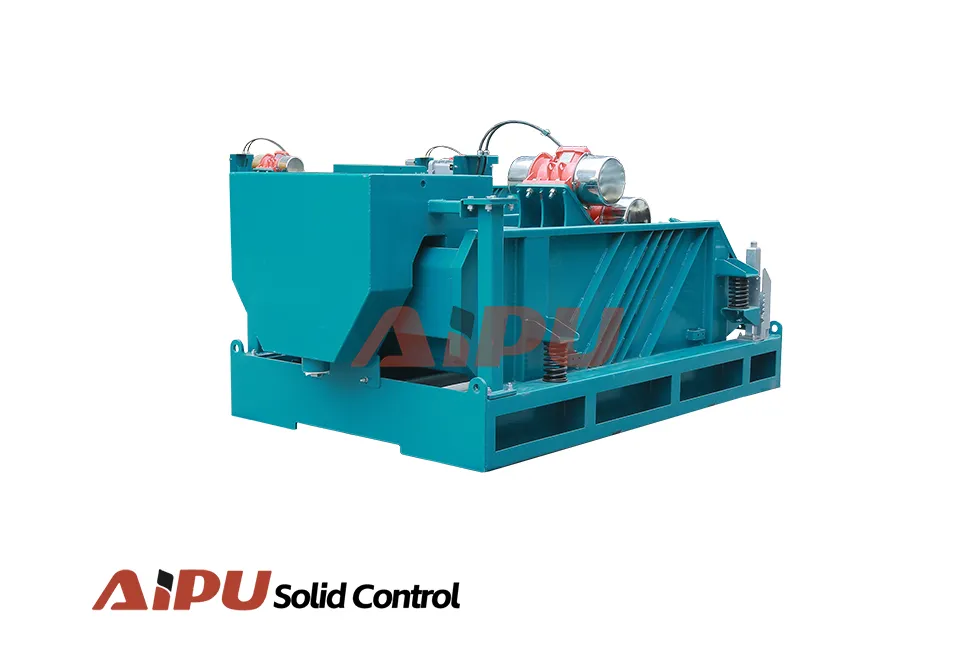
A modern shale shaker consists of several critical components. Key specifications define its capability and application.
- Deck Configuration: Single, double, or triple decks for staged separation.
- Screen Type: Pretensioned pyramid or flat screens, with layered mesh for increased life and fluid capacity.
- Vibration Mechanism: Dual, counter-rotating motors generating 5-7 G's of force for efficient solids conveyance.
- Flow Capacity: Rated in gallons per minute (GPM), often exceeding 1000 GPM per unit for high-performance models.
Operational Benefits
Properly sized and operated shale shakers deliver substantial operational and economic advantages.
- Mud Conservation: Efficient solids removal reduces dilution and chemical treatment costs.
- Equipment Protection: Protects desanders, desilters, and centrifuges from premature wear.
- Drilling Efficiency: Cleaner mud improves rate of penetration (ROP) and reduces the risk of stuck pipe.
- Environmental Compliance: Reduces total waste volume and associated disposal costs.
Industry Applications
Shale shaker technology is applied across all drilling environments but is specifically tailored for challenging applications.
- High-Pressure, High-Temperature (HPHT) Wells: Utilizing fine-mesh screens to maintain ultra-low solids content.
- Shale Plays: Handling high ROP and large volumes of fine cuttings, often using multi-deck cascading systems.
- Offshore Operations: Compact, high-capacity units with robust corrosion-resistant materials.
Maintenance Considerations
Maximizing shale shaker uptime requires proactive maintenance focused on its most consumable part: the screen.
- Regularly inspect screen integrity for tears or blinding.
- Ensure proper screen tension to prevent premature failure and fluid bypass.
- Lubricate vibratory motor bearings according to manufacturer schedules.
- Monitor vibration patterns for imbalance, indicating motor or structural issues.
Conclusion
The shale shaker remains an indispensable, technologically advanced component of modern drilling operations. Innovations in screen technology, motion dynamics, and automation continue to push the boundaries of separation efficiency. Investing in proper shaker selection, operation, and maintenance directly translates to lower drilling fluid costs, enhanced operational safety, and improved overall well construction economics. Its role as the primary solids control device is firmly cemented in drilling engineering best practices.