
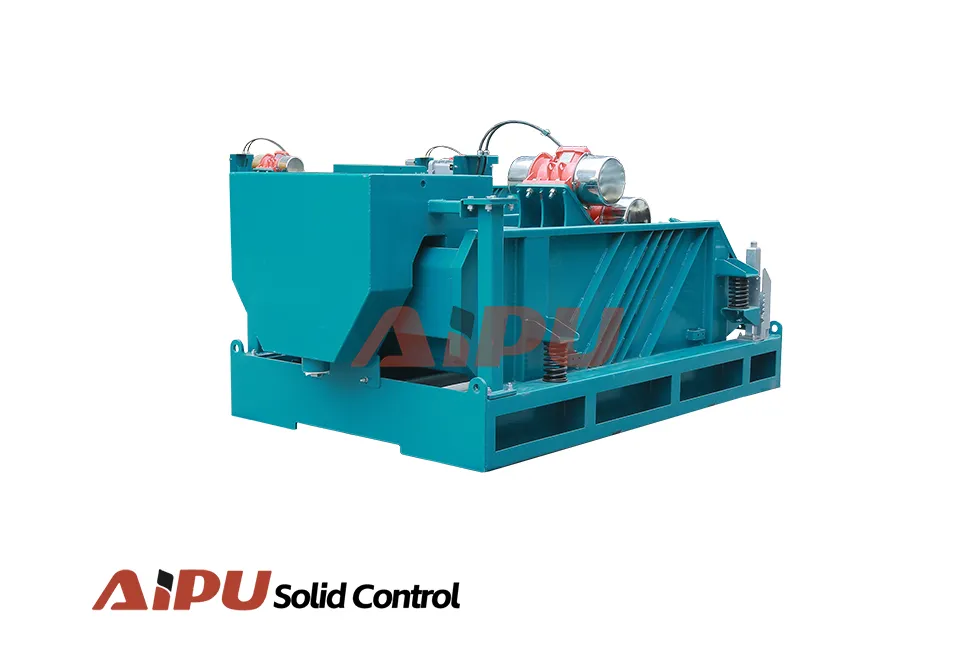
Introduction to shale shaker Maintenance
Effective shale shaker maintenance is fundamental to drilling fluid management and overall rig efficiency. For beginners, understanding basic upkeep procedures prevents costly downtime, preserves screen life, and ensures optimal solids control. Neglecting maintenance leads to poor separation, increased waste volumes, and unnecessary wear on downstream equipment.
Technical Working Principle and Maintenance Impact
A shale shaker removes drilled solids via vibratory motion, passing fluid through screens while conveying cuttings off the deck. Maintenance directly influences this principle; worn screens or unbalanced vibrations degrade separation efficiency. Consistent upkeep ensures the shaker operates at its designed G-force and flow capacity, maintaining the integrity of the drilling fluid's rheological properties.
Key Components and Preventative Checks
Focus maintenance on these critical components:
- Screens: Inspect for tears, blinding, or tension loss daily. Clean with low-pressure water or specialized tools.
- Vibrator Motors: Check for overheating, unusual noise, and ensure proper bolt torque. Misalignment causes premature failure.
- Deck and Seals: Examine for fluid leaks around the basket. Damaged seals allow bypass, sending solids to the mud tanks.
- Electrical Systems: Verify connections and motor amperage draw to prevent electrical faults.
Operational Benefits of Proactive Maintenance
A disciplined maintenance routine delivers direct operational and financial benefits. It maximizes screen service life, reducing consumable costs. It ensures consistent, high-quality solids removal, which protects centrifugal pumps, hydrocyclones, and mud cleaners from abrasive wear. This proactive approach minimizes unplanned shutdowns, supporting safer and more efficient drilling operations.
Industry Applications and Best Practices
On any wellsite, from conventional to high-pressure HPHT applications, shaker maintenance protocols adapt to conditions. In abrasive formations, screen inspection frequency must increase. Best practices include keeping a maintenance log, training rig crew on visual inspection techniques, and maintaining an inventory of critical spare parts like screen panels and motor mounts to expedite repairs.
Essential Maintenance Schedule for Beginners
Implement a simple, structured schedule:
- Daily: Visual screen inspection, clean spray bars, check motor temperature and vibration.
- Weekly: Tighten all bolts and mounting hardware, inspect rubber seals and screen tension.
- Monthly/Per Well: Lubricate bearings (if applicable), perform detailed motor and electrical inspection.
Conclusion
For drilling personnel, foundational shale shaker maintenance is not an optional task but a core operational discipline. By understanding the working principles and committing to routine checks of key components, crews safeguard equipment investment, optimize drilling fluid performance, and contribute directly to cost-effective and trouble-free drilling campaigns. Consistent, simple maintenance is the most effective strategy for reliability.