
Introduction
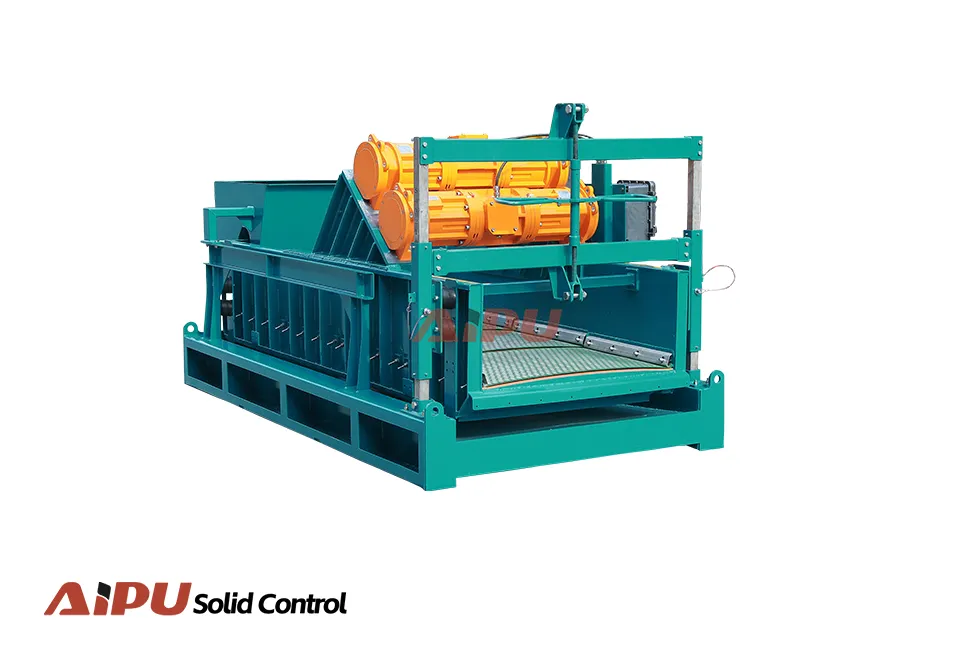
A shale shaker is the primary and most critical solid control equipment on a drilling rig. Its core function is to remove large drilled cuttings, or "solids," from the drilling fluid (mud) using high-frequency vibration and layered screens. Efficient shale shaker operation is paramount for maintaining mud properties, protecting downstream equipment, and ensuring overall drilling efficiency and cost control.
Technical Working Principle
The shale shaker operates on a principle of vibratory separation. As fluid returns from the wellbore, it is discharged onto a vibrating screen deck. The rapid, elliptical or linear motion imparted by vibrating motors (often unbalanced motors) conveys solids toward the discharge end while allowing liquid and finer particles to pass through the screen mesh. The G-force, screen angle, and vibration pattern are precisely tuned for optimal solids removal and fluid recovery.
Key Components and Specifications
Modern shale shakers are engineered systems with several critical components. Key specifications define their performance and application suitability.
- Screen Deck: Typically features one to four panels. Screen mesh size (API 80 to API 325) is selected based on required cut-point.
- Vibration Mechanism: Unbalanced motors generating 5-7 G's of force, with adjustable frequency and amplitude.
- Flow Capacity: Rated in gallons per minute (GPM), often exceeding 1000 GPM per unit for high-performance models.
- Drive System: Electric or hydraulic motors powering the vibrators.
Operational Benefits
Properly sized and operated shale shakers deliver substantial operational and economic advantages.
- Mud Conservation: Efficiently returns valuable liquid phase, reducing total mud volume and associated chemical costs.
- Downstream Protection: Removes large cuttings, preventing clogging and wear on desanders, desilters, and centrifuges.
- Reduced Environmental Footprint: Minimizes waste volume for disposal, lowering hauling and treatment costs.
- Enhanced ROP: Cleaner mud improves rate of penetration and overall drilling efficiency.
Industry Applications
Shale shaker technology is deployed across all drilling environments but is particularly crucial in specific applications.
- High-Pressure, High-Temperature (HPHT) Wells: Requires robust shakers with fine screens to manage weighted, expensive mud systems.
- Directional & Horizontal Drilling: High flow rates and increased cuttings load demand high-capacity, multi-deck units.
- Shale Plays: Fast-paced operations utilize high-G, linear-motion shakers for maximum separation efficiency to handle high ROP.
Maintenance Considerations
Proactive maintenance is essential for sustained shale shaker performance and longevity.
- Screen Inspection & Change-Out: Monitor for blinding or tearing; replace screens based on wear, not a fixed schedule.
- Vibrator Motor Health: Check for overheating, unusual noise, and ensure proper lubrication per OEM guidelines.
- Deck & Seal Integrity: Inspect rubber seals and deck surfaces to prevent fluid bypass, which drastically reduces efficiency.
- Proper Tensioning: Ensure screens are correctly tensioned to prevent premature failure and ensure optimal vibration transfer.
Conclusion
The shale shaker remains the indispensable first line of defense in solids control. Its meaning extends beyond simple filtration; it is a core technology for drilling optimization, cost management, and environmental stewardship. Continued innovations in screen technology, motion dynamics, and automation ensure shale shakers will adapt to meet the evolving demands of complex well construction, directly contributing to safer and more economical drilling operations.