
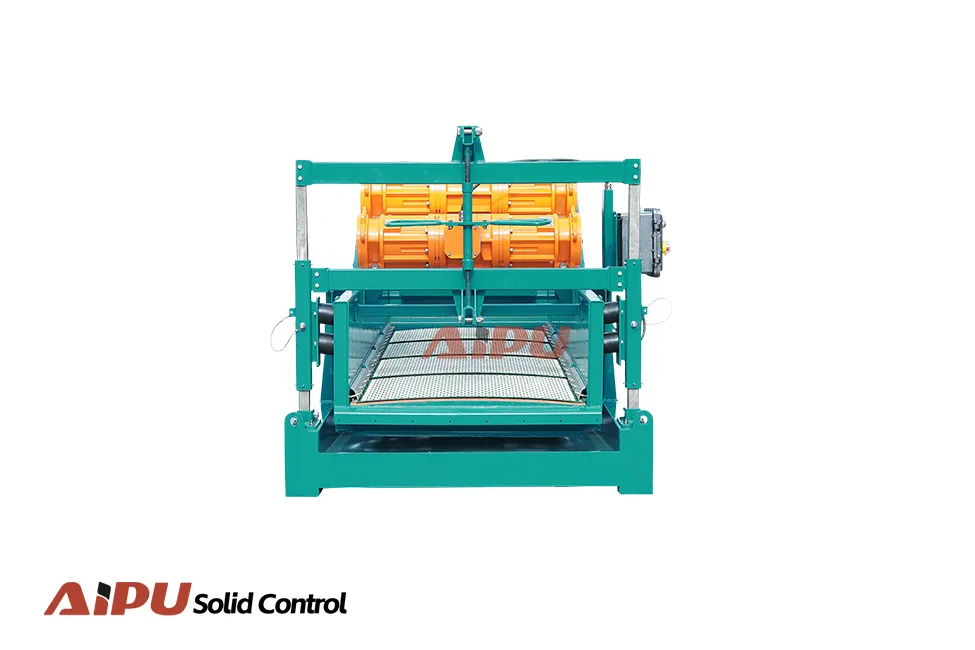
Introduction to shale shaker Noise Level Standards
In modern drilling operations, managing shale shaker noise is critical for regulatory compliance, worker safety, and operational efficiency. Excessive noise poses health risks and can indicate mechanical inefficiency. This article examines the standards, technologies, and practices for controlling shale shaker acoustics in demanding oilfield environments.
Technical Working Principle and Noise Generation
Shale shakers separate solids from drilling fluid via high-frequency vibration. Primary noise sources include motor vibrations, screen/basket contact, fluid impact, and structural resonance. Noise levels are directly influenced by vibration intensity (G-force), screen type, and mechanical design. Balanced elliptical motion shakers often generate different acoustic profiles than linear or circular motion units.
Key Components and Specifications for Noise Control
Modern low-noise shakers integrate specialized components to meet stringent standards, often targeting below 85 dBA at operator positions.
- Enclosures & Damping Systems: Acoustic hoods and vibration-isolation mounts.
- Drive System Design: Direct-drive or brushless motors with precision-balanced vibrators.
- Screen Technology: Pre-tensioned, non-metallic screens can reduce high-frequency noise.
- Structural Integrity: Robust, ribbed deck construction minimizes resonant vibration.
Operational Benefits of Noise-Reduced Shakers
Investing in low-noise technology delivers tangible field advantages beyond mere compliance.
- Enhanced Safety: Reduces hearing damage risk and improves onsite communication.
- Increased Efficiency: Lower vibration noise often correlates with optimized energy transfer and better solids conveyance.
- Cost Savings: Minimizes regulatory penalties and worker compensation claims while potentially extending component life.
Industry Applications and Regulatory Landscape
Noise standards are enforced by agencies like OSHA (Occupational Safety and Health Administration) and are crucial in sensitive areas such as offshore platforms and urban drilling sites. Operators must conduct regular sound level surveys, often using dosimeters, to ensure continuous compliance during peak shaker operation under full mud flow conditions.
Maintenance Considerations for Sustained Noise Performance
Proactive maintenance is essential to prevent noise escalation, which can signal underlying issues.
- Regularly check and tighten all bolts, screen clamps, and structural connections.
- Lubricate bearings and motors according to OEM specifications to prevent dry, noisy operation.
- Inspect and replace worn screen panels, tensioning rubbers, and isolation springs promptly.
- Monitor for changes in sound profile, which can indicate imbalance or component failure.
Conclusion
Adherence to shale shaker noise level standards is a multifaceted aspect of rigsite management that intersects with technology, safety, and operational excellence. By selecting properly engineered equipment and implementing rigorous maintenance protocols, drilling contractors can achieve a quieter, safer, and more efficient solids control system, ultimately contributing to a more sustainable and productive drilling operation.