
Introduction
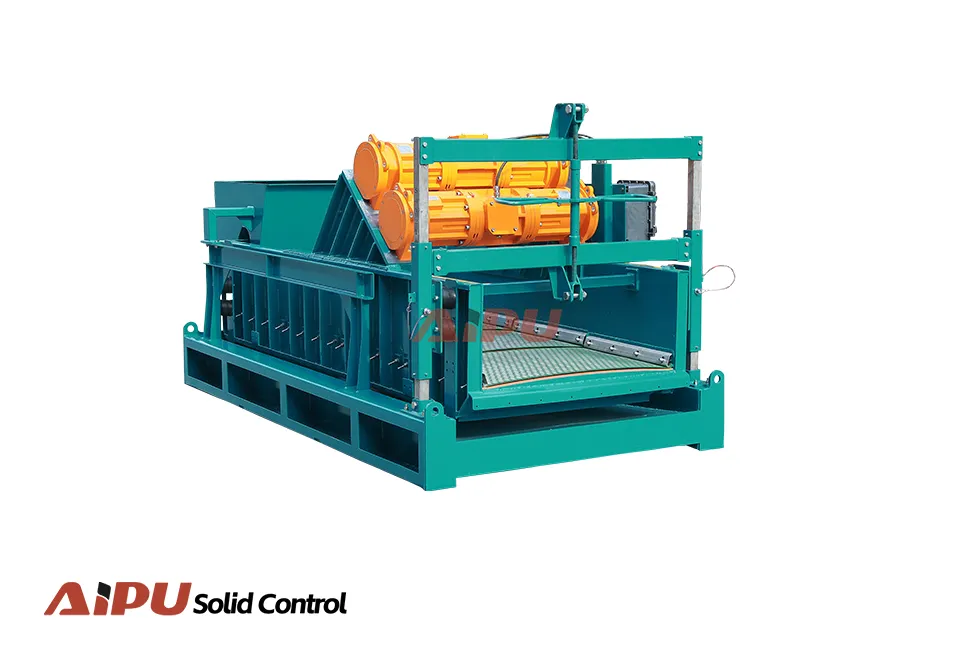
The shale shaker is the primary and most critical solid control device on any drilling rig. Its primary function is to remove large drilled solids, or cuttings, from the drilling fluid (mud) using high-frequency vibration and screen separation. Efficient shale shaker operation is fundamental to maintaining mud properties, protecting downstream equipment, and ensuring overall drilling efficiency and cost control.
Technical Working Principle
Shale shakers operate on the principle of vibratory screening. As fluid laden with cuttings returns from the wellbore, it is distributed across one or more vibrating screen panels. An electric or hydraulic vibrator, typically a dual unbalanced-weight motor, imparts a high-frequency, linear or elliptical motion to the screen deck. This motion stratifies the fluid and solids, forcing the liquid and fine particles through the screen mesh while conveying larger solids off the discharge end. The G-force, screen angle, and motion type are precisely tuned for optimal separation.
Key Components and Specifications
Modern shale shakers are engineered systems comprising several critical components. Key specifications define their performance and application suitability.
- Vibrator Motors: Generate 4.0 to 7.5 G's of acceleration for effective solids conveyance and fluid throughput.
- Screen Panels: Layered mesh with API-designated sizes (e.g., API 200 for 74-micron openings). Common types include pyramid and pretensioned flat screens.
- Deck Configuration: Single, double, or triple decks for cascading separation, increasing solids removal efficiency.
- Flow Capacity: Rated in gallons per minute (GPM), with high-capacity units handling over 1,200 GPM of weighted mud.
Operational Benefits
Properly functioning shale shakers deliver direct operational and economic advantages to the drilling process.
- Mud Conservation: Efficiently returns valuable liquid and weighting material (barite) to the active system, reducing dilution and treatment costs.
- Equipment Protection: Removes abrasive solids that would otherwise damage pumps, desanders, desilters, and centrifuges.
- Drilling Efficiency: Maintains optimal mud density and rheology, leading to improved rate of penetration (ROP) and reduced risk of stuck pipe.
- Environmental Compliance: Produces drier cuttings, minimizing waste volume and disposal costs.
Industry Applications
Shale shaker technology is applied across all drilling environments but is specifically tailored for challenging conditions.
- High-Pressure, High-Temperature (HPHT) Wells: Utilize specialized seals and construction to handle extreme temperatures and oil-based muds.
- Deepwater Operations: Feature compact, high-capacity designs with integrated vacuum systems for offshore space constraints.
- Shale Plays: Employ high-G, multi-deck shakers to manage high ROP and large volumes of fine cuttings characteristic of horizontal drilling.
Maintenance Considerations
Proactive maintenance is essential for sustained shaker performance and longevity. Daily checks should include inspecting screen integrity for tears or blinding, ensuring vibrator motor bolts are torqued to specification, and verifying proper tension on pretensioned screen panels. Regular lubrication of vibrator bearings and inspection of electrical connections prevent catastrophic failures. Proper spray bar alignment and flow rate are also critical for screen cleaning and longevity.
Conclusion
The shale shaker remains the indispensable first line of defense in drilling fluid processing. Its operating principle of vibratory separation, when combined with proper screen selection and maintenance, directly impacts drilling economics, operational safety, and environmental performance. Continuous innovations in motion, screen technology, and automation ensure shale shakers evolve to meet the demands of modern, complex drilling programs.