
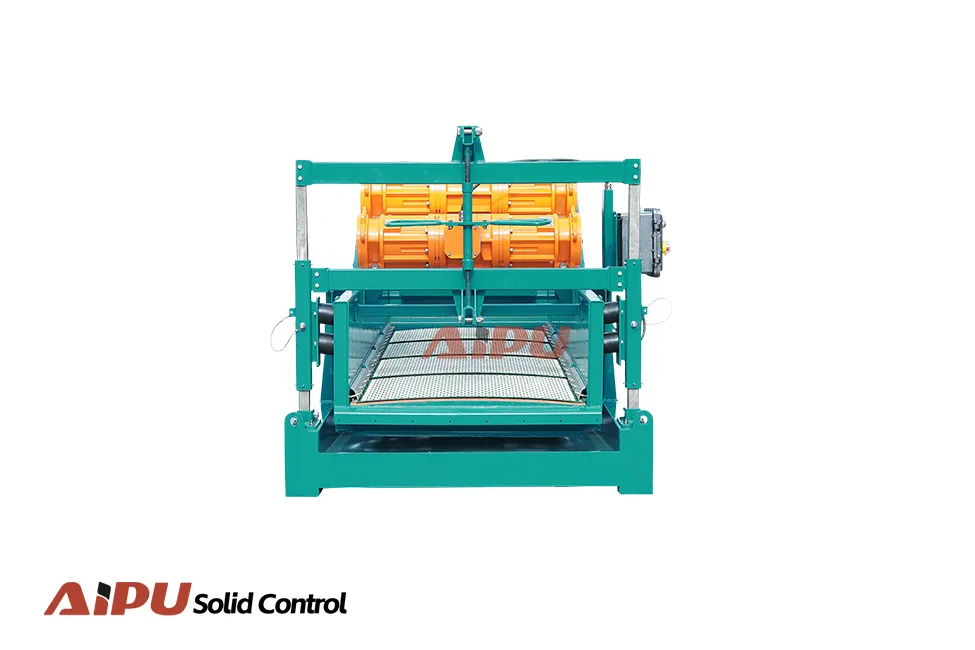
Introduction to shale shaker Technology
The shale shaker is the primary and most critical solid control equipment in any drilling fluid system. Its primary function is to remove large drilled cuttings from the drilling mud, ensuring the fluid's properties are maintained for efficient wellbore pressure control, hole cleaning, and equipment protection. Effective shaker operation directly impacts overall drilling efficiency, cost per foot, and environmental compliance.
Technical Working Principle
Shale shakers operate on the principle of vibratory screening. A high-speed vibratory motion, typically generated by unbalanced motors or exciters, is imparted to a wire-cloth or polyurethane screen panel. As the fluid mixture flows onto the screen surface, the vibratory action conveys solids along the deck while allowing the cleaned fluid to pass through the screen mesh. The motion can be linear, elliptical, or balanced elliptical, each suited to different mud weights and cutting profiles.
Key Components and Specifications
Modern shale shakers consist of several precision-engineered components. Key specifications include deck layout (single, double, or triple), vibratory motor power (often 2 x 2.5 HP), and screening area (often 4 ft x 5 ft per deck).
- Screen Panels: Range from API 20 to API 325 mesh; composite pyramid screens are common for high flow rates.
- Vibratory Motors/Exciters: Provide G-forces from 4.5G to 7.5G for optimal solids conveyance.
- Skid & Basket: Robust construction to handle high G-forces and corrosive environments.
- Feed & Discharge Hoppers: Ensure even fluid distribution and controlled solids discharge.
Operational Benefits and Efficiency
Properly sized and operated shale shakers deliver substantial operational benefits. They maximize the recovery of valuable drilling fluid, significantly reducing mud costs and waste disposal volumes. By removing large cuttings at the first stage, they protect downstream equipment like desanders and desilters from premature wear, reducing maintenance downtime and extending the life of the entire solid control system.
Industry Applications and Trends
Shale shakers are deployed on every land and offshore rig. Current industry trends focus on enhancing separation efficiency for high-flow, high-density muds used in deepwater and extended-reach drilling. Innovations include finer screen technology without sacrificing fluid throughput, improved dry-solids discharge for reduced environmental footprint, and integration with IoT sensors for real-time performance monitoring and predictive maintenance.
Maintenance Considerations
Routine maintenance is crucial for sustained performance and cost savings. Key practices include daily inspection of screen integrity and tension, regular checking of motor mounts and vibration isolation elements, and cleaning of the basket and feed distribution system. Proper screen selection and rapid panel change-out systems are vital for minimizing non-productive time (NPT) during drilling operations.
Conclusion
As the frontline of solids control, the shale shaker remains an indispensable piece of drilling technology. Its continuous evolution—driven by demands for higher efficiency, lower operational costs, and stricter environmental standards—ensures it will continue to play a foundational role in safe and economical drilling operations worldwide. Optimal shaker performance is a direct contributor to a leaner, more effective drilling program.