
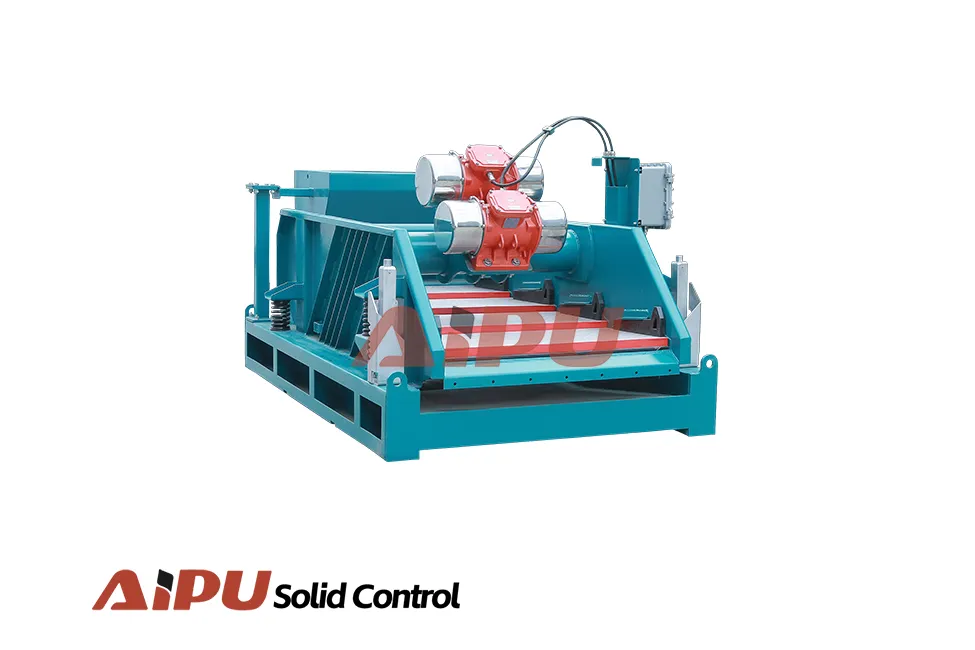
Introduction to shale shakers
As the primary and most critical component of any solids control system, the shale shaker is responsible for the initial separation of drilled cuttings from the drilling fluid (mud). Its efficient operation directly impacts overall drilling performance, fluid costs, and environmental compliance. Modern shale shakers are high-capacity, precision screening machines essential for maintaining optimal mud properties and ensuring smooth drilling operations.
Technical Working Principle
Shale shakers utilize high-frequency, linear or elliptical motion to convey drilled solids across a vibrating screen surface. As the fluid-solids mixture (the "returns") is discharged onto the screen deck, the vibrating action forces the liquid and fine particles (under the screen mesh size) through the screen, while larger cuttings are conveyed off the discharge end. The motion is generated by rotating eccentric weights on a motor shaft, creating a controlled G-force to optimize solids conveyance and liquid throughput.
Key Components and Specifications
A modern shale shaker consists of several critical subsystems. Key specifications define its capacity and performance.
- Vibrator Motors: Generate the screening motion, typically with adjustable RPM for G-force control (often 4-7 G's).
- Screen Deck & Panels: Hold the replaceable screen mesh. Configurations include single, double, or triple decks for staged separation.
- Screen Mesh: Fine-wire cloth rated in API mesh (e.g., 80 to 200+). The selection balances solids removal and fluid loss.
- Flow Capacity: Rated in gallons per minute (GPM), with high-performance models handling 1000+ GPM.
- Skid & Basket: The structural frame that provides rigidity and facilitates integration into the mud tank system.
Operational Benefits and Efficiency
Properly sized and operated shale shakers deliver substantial operational and economic advantages.
- Mud Conservation: Efficient removal of coarse solids preserves the chemical and physical properties of the expensive drilling fluid.
- Reduced Downstream Wear: By removing larger cuttings early, wear on pumps, desanders, and desilters is minimized.
- Improved ROP: Cleaner mud at the flow line allows for better hydraulics and potential for increased rate of penetration.
- Cost Savings: Directly reduces fluid dilution and disposal costs, offering a rapid return on investment.
Industry Applications and Trends
Shale shaker technology continuously evolves to meet industry demands. In high-pressure, high-temperature (HPHT) and extended-reach drilling, shakers must handle abrasive solids and high flow rates. The trend is toward finer screening (ultra-fine mesh) to improve solids control from the outset. Furthermore, the integration of dryer shakers and automated screen changing systems is increasing, enhancing safety and reducing manual labor on the rig floor.
Maintenance Considerations
Routine maintenance is vital for sustained performance and longevity. Daily checks should include inspecting screen integrity for tears or blinding, ensuring vibrator motors are free of debris and operating at correct temperature, and verifying that tensioning systems are properly secured. Adhering to a preventive maintenance schedule for motors and seals prevents unexpected downtime and maintains optimal separation efficiency.
Conclusion
The shale shaker remains the indispensable first line of defense in solids control. Its technology directly influences drilling efficiency, wellbore stability, and overall project economics. By understanding its working principles, specifications, and proper maintenance, drilling engineers can optimize this critical equipment to ensure cleaner drilling fluid, reduced operational costs, and enhanced drilling performance in today's challenging environments.