
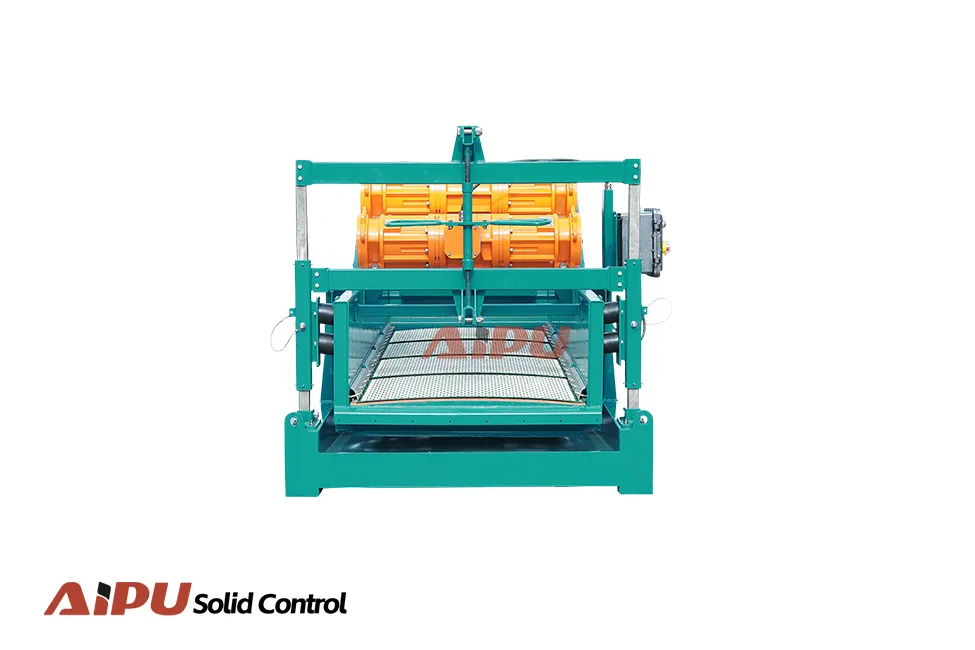
Introduction: The Primary Defense in Solids Control
The shale shaker serves as the first and most critical stage in any modern drilling fluid solids control system. Its primary function is to remove the largest volume of drilled solids—typically those larger than 74 microns (200 mesh)—from the circulating mud. Effective primary separation at this initial point directly protects downstream equipment, reduces total fluid losses, and maintains mud properties essential for efficient drilling operations and wellbore stability.
Technical Working Principle: Vibratory Separation
Shale shakers operate on the principle of vibratory screening. A high-speed vibrating motor, or multiple motors, imparts a high-frequency, linear or elliptical motion to a screen deck mounted at a slight angle. As fluid and cuttings (the "feed") are distributed across the screen surface, the vibration stratifies the material, forcing liquid and fine particles through the screen mesh while conveying larger solids off the discharge end. Key parameters controlling efficiency are vibration intensity (G-force), screen mesh count, and deck angle.
Key Components and Specifications
Modern shale shakers are engineered for high-capacity, reliable performance under demanding conditions. Critical specifications include:
- Deck Configuration: Single, double, or triple decks for staged separation.
- Screen Type: Pretensioned pyramid or flat panels, with mesh sizes from API 20 to API 325.
- Vibration Mechanism: Balanced elliptical or linear motion motors generating 4-7 G's of force.
- Flow Capacity: Rated for maximum flow rates, often exceeding 1000 GPM per unit.
- Drive System: Direct motor-driven or belt-driven vibrators for controlled motion.
Operational Benefits and Efficiency Gains
Properly sized and operated shale shakers deliver substantial operational and economic value. They are the frontline for cost control in mud management. Key benefits include:
- Significant reduction in whole mud losses by removing solids before finer treatment stages.
- Extended lifespan and reduced wear on downstream centrifuges, desanders, and desilters.
- Improved drilling fluid performance through maintained density, viscosity, and chemical efficiency.
- Reduced waste hauling and disposal costs by efficiently separating solids from liquid.
Industry Applications and Placement
The shale shaker's position is immediately following the flow line from the wellbore. Its performance dictates the load on the entire downstream system. In high-pressure, high-temperature (HPHT) wells, shakers equipped with fine mesh screens are critical for managing expensive, weighted muds. On large-scale drilling rigs, multiple shakers are often run in parallel to handle total circulation volume, ensuring continuous processing even during screen changes.
Maintenance Considerations for Peak Performance
Consistent maintenance is non-negotiable for optimal shaker performance and longevity. A disciplined routine prevents premature failures and separation inefficiency.
- Daily inspection of screen integrity for tears or blinding.
- Regular tension checks for pretensioned screen panels.
- Monitoring of vibration motors for abnormal noise or overheating.
- Keeping fluid distribution systems and wash-down systems clean to prevent screen plugging.
Conclusion: A Foundational Technology
The shale shaker remains the indispensable foundation of effective solids control. Its strategic position as the primary separator makes its performance the single largest factor in overall system efficiency. Continued innovations in screen technology, motion dynamics, and automation ensure that this essential piece of equipment will continue to evolve, delivering greater reliability and cost savings in increasingly challenging drilling environments. Investing in proper shaker selection, operation, and maintenance yields direct returns through optimized drilling fluid performance and reduced operational expenditure.