
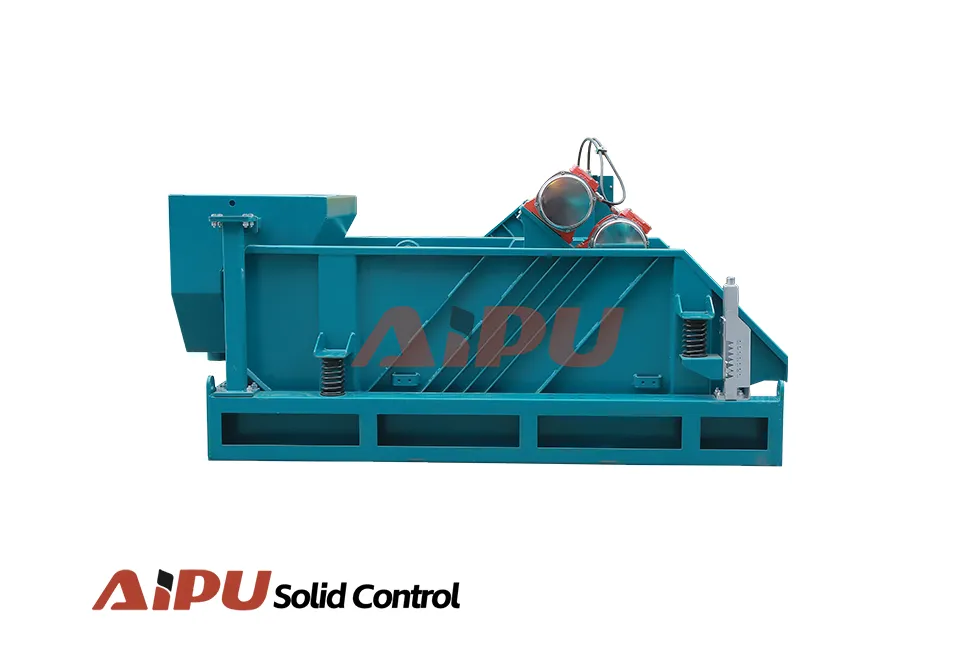
Introduction
As the primary and most critical stage of solids control, the shale shaker is the first line of defense in drilling fluid processing. Its primary function is to remove large drilled solids (typically >74 microns) from the whole mud returning from the annulus. Efficient primary removal is paramount, as it directly protects downstream equipment, maintains mud properties, reduces dilution costs, and minimizes waste volumes, impacting overall well economics.
Technical Working Principle
A shale shaker utilizes high-frequency, linear or elliptical motion to convey cuttings across a vibrating screen surface. As fluid passes through the screen mesh, oversized solids are transported off the discharge end. The key to separation is the screen's mesh count, measured in microns or API mesh, and the motion profile. Linear motion is ideal for high-flow rate, sticky solids, while elliptical motion provides better conveyance for drier cuttings.
Key Components and Specifications
Modern shale shakers are engineered for high-capacity and reliability. Critical specifications include:
- Deck Configuration: Single, double, or triple decks for staged screening.
- Screen Surface Area: Ranging from 12 to 20+ sq. ft. per unit to handle high flow rates.
- Vibration Motors: Dual, adjustable-frequency motors (0-5 G-force) to optimize solids conveyance.
- Screen Mesh: Composite, pre-tensioned panels from API 80 to API 325 mesh for fine separation.
- Flow Capacity: Designed to process 500-2,500+ GPM depending on mud weight and solids loading.
Operational Benefits
Properly sized and operated shale shaker technology delivers significant field advantages.
- Mud Conservation: Efficient removal reduces costly chemical and base fluid dilution.
- Downstream Protection: Extends the life and efficiency of desanders, desilters, and centrifuges.
- Reduced Waste: Drier discharged cuttings lower total waste volume and associated disposal costs.
- Improved ROP: Cleaner mud enhances rate of penetration by reducing abrasive solids at the bit.
Industry Applications
Shale shaker selection is tailored to specific drilling programs. High-performance units with fine mesh screens (API 200+) are standard for synthetic-based muds in deepwater and HPHT wells to minimize fluid loss. For large surface hole sections with high flow rates, robust linear motion shakers with large screen area are deployed. The trend toward multi-deck configurations allows for a primary coarse screen overlaid with a finer secondary screen, maximizing solids removal efficiency in a single footprint.
Maintenance Considerations
Maximizing shaker uptime requires proactive maintenance. Key practices include regular inspection of vibration motor mounts and screen tension, immediate replacement of torn or blinded screens to prevent fluid bypass, and routine greasing of bearings. Operators must also ensure feed distribution is even across the full screen width to prevent localized wear and optimize the entire screening surface.
Conclusion
The shale shaker remains the cornerstone of effective solids control. Continuous innovations in motion dynamics, screen technology, and deck design have dramatically increased their processing capability and separation efficiency. Investing in and properly maintaining primary shale shaker equipment is a direct contributor to lower drilling fluid costs, improved wellbore conditions, and enhanced overall operational performance, solidifying its essential role in modern drilling operations.