
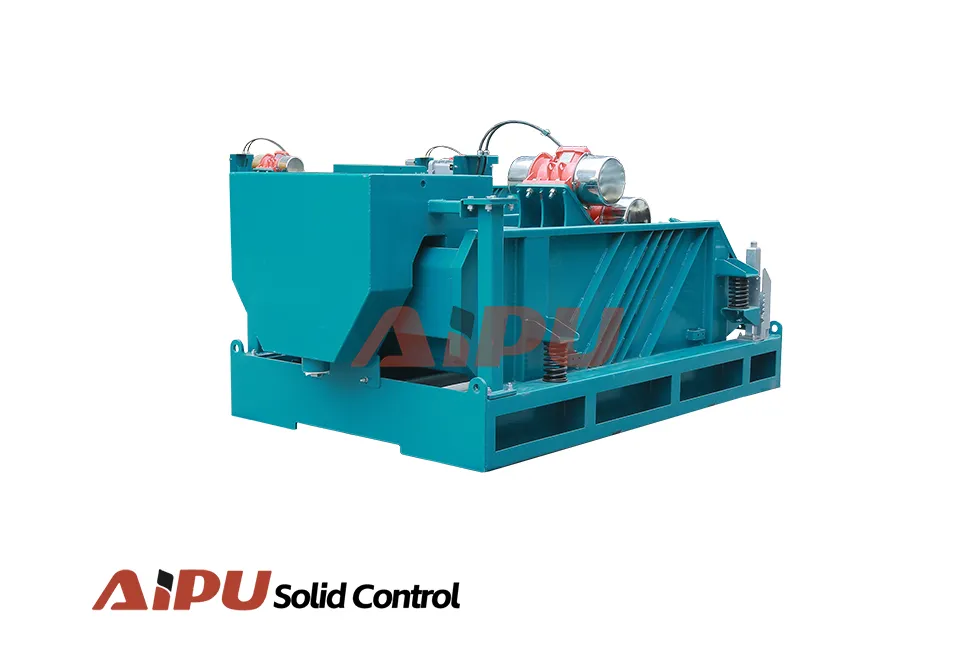
Introduction to shale shaker Function
The shale shaker serves as the primary and most critical solid control equipment in any drilling fluid system. Its fundamental purpose is to remove large drilled cuttings (typically >74 microns) from the drilling mud via high-frequency vibration, ensuring the fluid's properties are maintained for efficient wellbore pressure control, hole cleaning, and equipment protection. Effective first-stage separation directly impacts overall drilling efficiency and cost.
Technical Working Principle
Shale shakers operate on the principle of vibratory screening. A motor-driven vibrator imparts a high-frequency, linear or elliptical motion to a screen deck angled between 0-5 degrees. As fluid laden with cuttings flows onto the screen, the vibration stratifies the material, forcing liquid and fine particles through the mesh while conveying larger solids off the discharge end. Key variables include vibration G-force (typically 4-7 Gs), deck angle, and screen mesh selection.
Key Components and Specifications
Modern shale shakers are engineered for high-capacity and reliability. Critical specifications include:
- Deck Configuration: Single, double, or triple decks for cascading screening.
- Screen Type: Pretensioned pyramid or hook-strip panels, with mesh sizes from API 20 to API 325.
- Vibration Mechanism: Balanced elliptical or linear motion motors, often with adjustable amplitude.
- Flow Capacity: Rated for specific flow rates (e.g., 800-1500 GPM) based on mud weight and solids loading.
- Power System: Explosion-proof electric motors or hydraulic drives.
Operational Benefits and Efficiency
Proper shale shaker operation delivers substantial economic and technical advantages. It significantly reduces downstream equipment wear (desanders, desilters, centrifuges) and minimizes costly drilling fluid dilution and chemical treatment. By maintaining optimal mud weight and rheology, it enhances rate of penetration (ROP), supports wellbore stability, and reduces non-productive time (NPT) associated with solids-related issues.
Industry Applications and Trends
Shale shakers are ubiquitous across all drilling operations, from conventional vertical wells to complex extended-reach and HPHT applications. Current industry trends focus on maximizing fluid recovery and handling efficiency. Innovations include fine-screen shakers capable of 200-mesh separation, improved screen technology for longer life, and integrated monitoring systems for real-time performance tracking and predictive maintenance.
Maintenance Considerations
Routine maintenance is paramount for sustained performance and uptime. Key practices include daily inspection of screen integrity and tension, regular cleaning of fluid pathways and vibrator assemblies, and lubrication per manufacturer schedules. Monitoring for screen blinding and ensuring proper feed distribution prevents premature screen failure and maintains optimal fluid processing capacity.
Conclusion
As the frontline of solids control, the shale shaker remains an indispensable asset in modern drilling operations. Its effective performance is a direct contributor to drilling fluid management efficiency, overall well cost control, and operational safety. Continuous technological advancements in shaker design and screen media ensure this critical equipment evolves to meet the increasing demands of complex drilling environments.