
Introduction
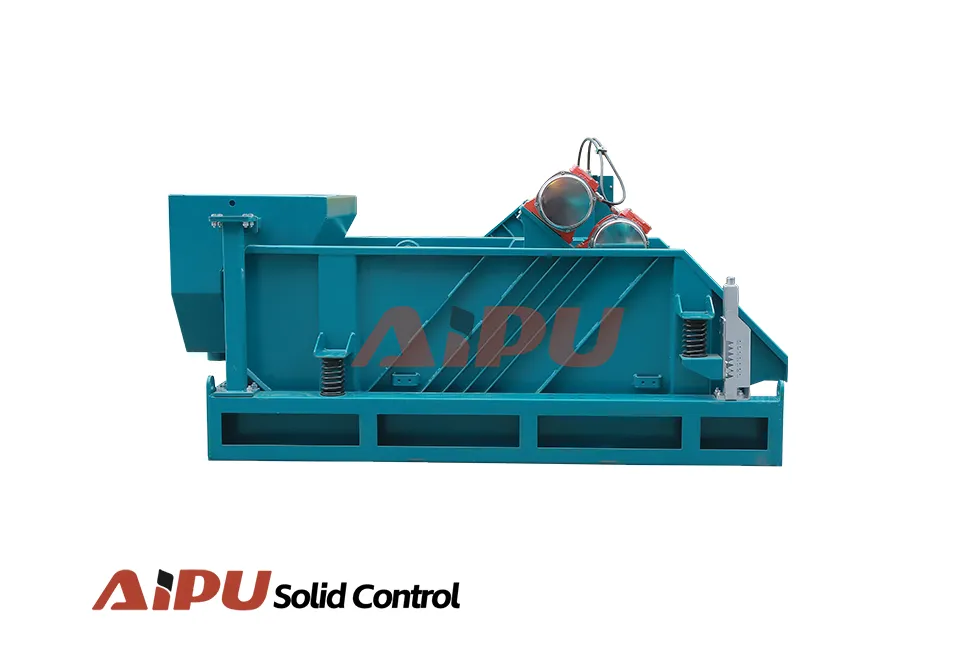
In modern drilling operations, the shale shaker serves as the primary and most critical solid control equipment. Its fundamental role within the mud circulation system is the high-volume, initial separation of drilled cuttings from the drilling fluid. Efficient shaker performance directly dictates overall system efficiency, fluid costs, and downstream equipment longevity, making it a cornerstone of effective wellbore construction and waste management.
Technical Working Principle
Shale shakers utilize high-frequency, linear or elliptical motion to convey drilling fluid across a vibrating screen surface. As the fluid slurry passes over the screen, particles larger than the screen mesh opening (typically measured in API mesh) are transported off the screen deck as discharge, while the cleaned fluid passes through to the mud tanks. The motion profile is engineered to maximize fluid throughput and solids conveyance without blinding the screen.
Key Components and Specifications
Modern shale shakers are defined by several critical components and specifications that determine their capacity and separation efficiency.
- Vibration Motors: Provide the motion, with G-force (3-7 G's typical) and frequency (up to 3600 RPM) being key performance drivers.
- Screen Panels: Composite, layered screens with precise mesh sizes (often 80 to 200+ API mesh) for fine separation.
- Deck Configuration: Single, double, or triple decks in series for progressive screening.
- Flow Capacity: Rated in gallons per minute (GPM), with high-capacity units handling over 1000 GPM.
Operational Benefits
Optimized shale shaker operation delivers substantial tangible benefits to the drilling operation.
- Significantly reduces drilling fluid losses and associated chemical costs.
- Protects downstream equipment (desanders, desilters, centrifuges) from excessive wear.
- Improves overall drilling efficiency by maintaining optimal mud rheology and density.
- Minimizes waste volume for disposal, reducing environmental footprint and cost.
Industry Applications
Shale shaker technology is applied across all drilling environments but is particularly crucial in specific applications.
- High-Pressure, High-Temperature (HPHT) Wells: Utilizing fine-mesh screens to maintain ultra-stable fluid properties.
- Directional & Horizontal Drilling: Managing high solids loading from extended reach sections.
- Water-Based & Synthetic-Based Muds: Technology is adapted for different fluid chemistries and viscosities.
Maintenance Considerations
Proactive maintenance is essential for sustained shaker performance and reliability.
- Regular inspection and replacement of worn screen panels to prevent bypass.
- Monitoring motor vibration patterns and bearings for signs of imbalance or wear.
- Ensuring proper tensioning of screens to optimize lifespan and separation efficiency.
- Keeping spray bars and fluid distribution systems clean to prevent screen blinding.
Conclusion
The shale shaker remains the indispensable first line of defense in the solids control hierarchy. Continued innovations in motion dynamics, screen technology, and automation are enhancing its efficiency and reliability. For drilling engineers, selecting the correct shaker configuration and ensuring its optimal operation is a direct investment in reducing non-productive time, controlling mud costs, and ensuring the success of the entire drilling fluid system.