
Introduction
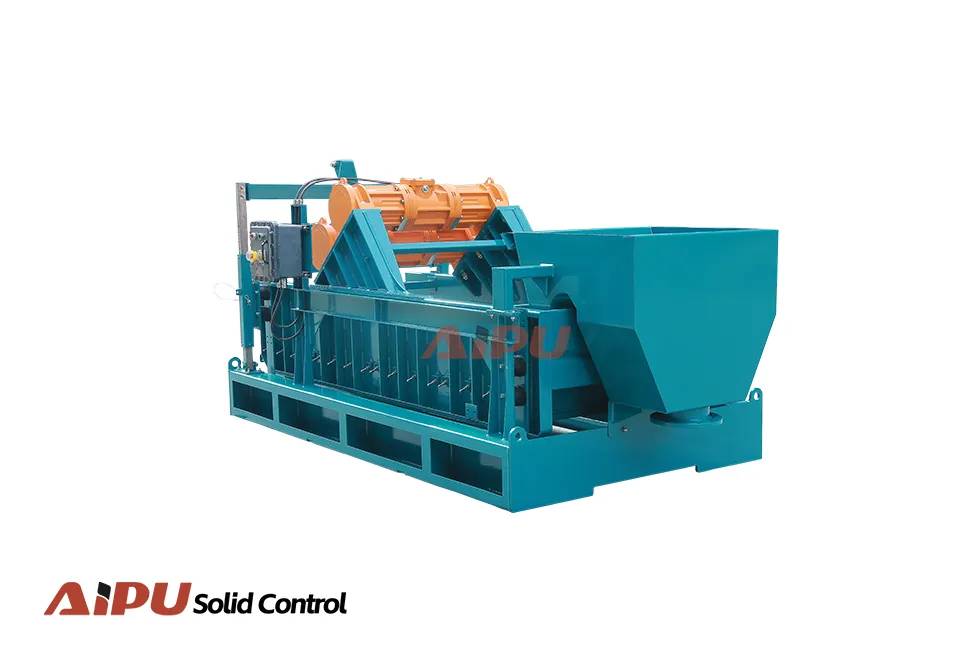
The shale shaker is the primary and most critical component of any drilling rig's solids control system. As the first line of defense, its primary function is to remove large drilled solids and cuttings from the drilling fluid (mud) returning from the wellbore. Efficient performance at this initial stage is paramount for protecting downstream equipment, maintaining mud properties, and ensuring overall drilling efficiency and cost control.
Technical Working Principle
Shale shakers operate on the principle of vibratory screening. Contaminated drilling fluid is distributed across a vibrating screen surface. The high-frequency, linear or elliptical motion imparted by vibrating motors (or exciters) conveys solids across the screen while allowing liquid and finer particles to pass through. The key separation variables are screen mesh size (measured in API mesh), vibration intensity (G-force), and deck angle, all optimized for the specific mud type and drilling phase.
Key Components and Specifications
Modern shale shakers are engineered for high-capacity, dry cuttings discharge. Critical specifications include:
- Deck Configuration: Single, double, or triple decks for multi-stage screening.
- Screen Type: Pretensioned pyramid or flat panels, with mesh sizes from API 20 to API 325.
- Motion: Linear, elliptical, or balanced elliptical vibration to optimize conveyance and fluid throughput.
- Drive System: Dual motor vibrators generating 4-8 Gs of acceleration.
- Flow Capacity: Rated for specific flow rates (e.g., 1000-1500 GPM) to handle peak circulation.
Operational Benefits
An optimally performing shale shaker delivers direct operational and financial advantages:
- Reduces dilution and chemical treatment costs by efficiently removing solids.
- Protects downstream hydrocyclones and centrifuges from premature wear.
- Maintains optimal mud weight and rheology, enhancing wellbore stability and ROP.
- Minimizes waste volume, reducing environmental footprint and disposal costs.
Industry Applications
Shale shaker technology is tailored to application demands. In high-pressure, high-temperature (HPHT) wells, shakers use fine screens to maintain ultra-low solids. For large surface hole sections, high-capacity, coarse-screen shakers handle massive cuttings volumes. The advent of synthetic-based muds (SBM) and oil-based muds (OBM) has driven the development of sealed, fluid-tight designs to prevent valuable fluid loss and ensure safety.
Maintenance Considerations
Proactive maintenance is crucial for sustained performance and uptime. Key practices include:
- Regular inspection and replacement of worn screen panels to prevent bypass.
- Checking vibrator motor torque and lubrication schedules.
- Ensuring proper tensioning of screen panels to prevent blinding and premature failure.
- Monitoring for seal integrity, especially on OBM/SBM systems, to prevent leaks.
Conclusion
The shale shaker remains the indispensable workhorse of solids control. Continuous innovations in motion, screen technology, and automation have significantly enhanced its efficiency and reliability. Proper selection, operation, and maintenance of this primary separator are fundamental to achieving drilling fluid performance objectives, reducing total well costs, and ensuring safe, environmentally compliant drilling operations.