
Introduction
In modern oilfield drilling operations, the shale shaker serves as the primary and most critical component of the solids control system. Its primary function is to remove large drilled solids, or cuttings, from the drilling fluid (mud) using high-frequency vibration and screen separation. Efficient shale shaker performance is paramount for maintaining mud properties, protecting downstream equipment, reducing waste disposal costs, and ensuring overall drilling efficiency and safety.
Technical Working Principle
Shale shakers operate on the principle of vibratory screening. A motor-driven vibrator imparts a high-frequency, low-amplitude motion to a screen deck mounted at a slight angle. As the fluid-solids mixture flows onto the screen, the vibration stratifies the material, forcing liquid and fine particles through the screen mesh while conveying larger solids off the discharge end. Modern units often utilize linear or elliptical motion for optimal solids conveyance and liquid throughput.
Key Components and Specifications
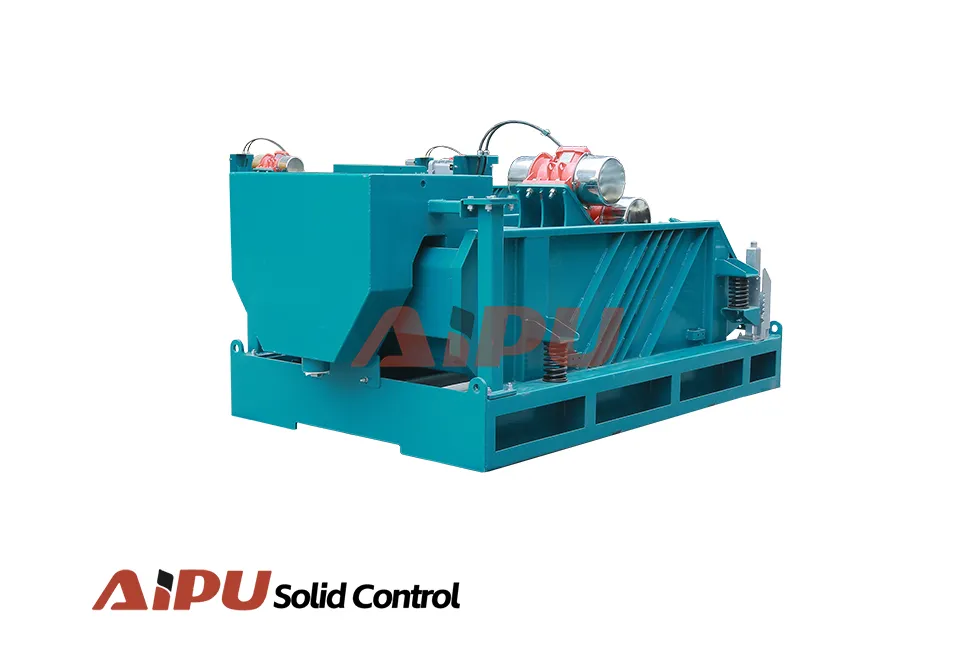
A robust shale shaker consists of several critical components. Key specifications define its capacity and application.
- Vibrator Assembly: Typically an unbalanced-weight motor generating G-forces from 4.5G to 7.5G.
- Screen Deck: Often multi-deck, utilizing layered screens (e.g., API 200 mesh) for graded separation.
- Screen Panels: Composite or metal-frame panels with precise mesh count (80 to 250+).
- Flow Capacity: Rated in gallons per minute (GPM), with high-capacity models handling 1000+ GPM.
- Drive System: Electric or hydraulic motors, with variable frequency drives for motion control.
Operational Benefits
Effective shale shaker use delivers direct operational and economic advantages to the drilling program.
- Mud Conservation: Maximizes recovery of valuable liquid phase, reducing dilution and chemical costs.
- Equipment Protection: Removes abrasive solids, extending the life of pumps, mud cleaners, and centrifuges.
- Waste Reduction: Drier discharged cuttings lower hauling and disposal expenses and environmental footprint.
- Drilling Efficiency: Maintains optimal mud weight and rheology, enhancing rate of penetration (ROP).
Industry Applications
Shale shaker technology is tailored for diverse drilling environments. On land-based rigs, compact, high-G linear motion shakers handle high flow rates from directional wells. Offshore, multi-unit, cascade-style systems are integrated into cramped rig floors for maximum solids removal. In challenging formations like gumbo clay, specialized screen configurations and pre-screening devices prevent blinding. The technology is also critical in managed pressure drilling (MPD) where precise mud properties are essential.
Maintenance Considerations
Proactive maintenance is crucial for sustained performance and uptime. Daily inspection of screen integrity for tears or plugging is mandatory. Regular tensioning of screen panels ensures proper vibration transmission and prevents premature failure. Lubrication schedules for vibrator bearings must be strictly followed. Operators should monitor vibration patterns and motor amperage as indicators of imbalance or overload. Proper housekeeping around the shaker prevents fluid bypass and safety hazards.
Conclusion
As the frontline of solids control, shale shaker technology remains a cornerstone of efficient and cost-effective drilling operations. Continuous innovation in screen technology, motion dynamics, and automation is driving improvements in separation efficiency and reliability. For drilling engineers, selecting the appropriate shaker configuration and maintaining optimal operation is a direct investment in reducing non-productive time (NPT), controlling mud costs, and ensuring wellbore integrity throughout the drilling process.