
Introduction
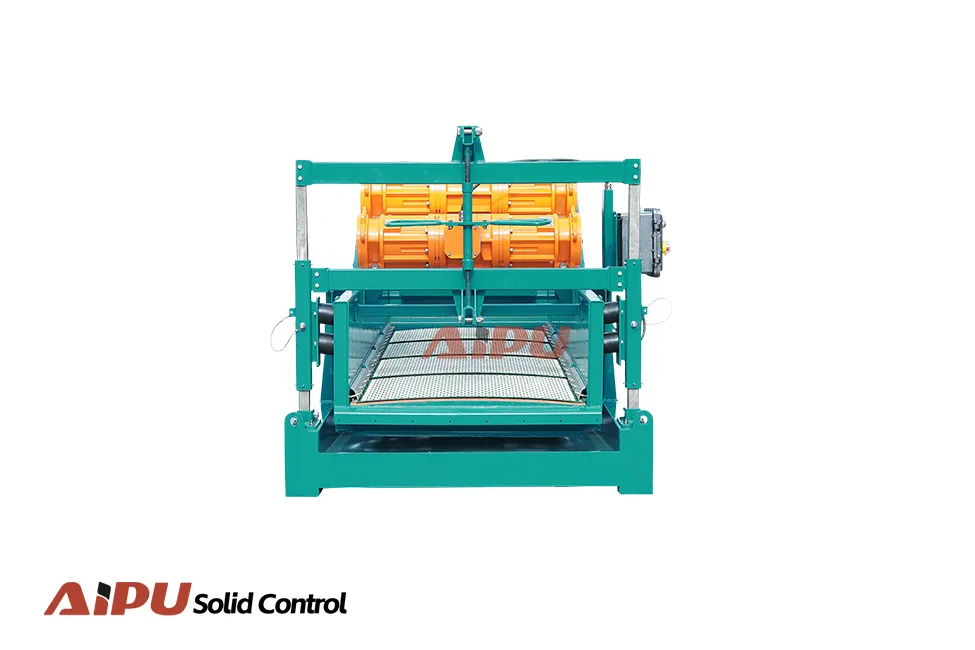
The shale shaker is the primary and most critical component of any drilling fluids solids control system. Its primary function is to remove large drilled solids, or "cuttings," from the drilling fluid (mud) as it returns from the wellbore. Efficient shale shaker operation is paramount for maintaining mud properties, protecting downstream equipment, and ensuring overall drilling efficiency and cost control.
Technical Working Principle
Shale shakers utilize high-frequency, linear or elliptical motion to convey solids across a vibrating screen surface. As fluid passes through the screen mesh, drilled solids are retained and discharged off the screen's end. Modern shakers employ balanced elliptical or linear motion to maximize solids conveyance and fluid throughput while minimizing fluid loss. The screen's mesh size, measured in microns or API mesh number, directly determines the cut point—the size of the smallest particle removed.
Key Components and Specifications
Critical components define shaker performance and application suitability. Key specifications include:
- Deck Configuration: Single, double, or triple decks for staged separation.
- Motion Type: Linear, elliptical, or balanced elliptical for optimal solids conveyance.
- Screen Surface Area: Larger areas increase fluid processing capacity.
- Vibration Motors: Provide G-force (typically 4-7 G's) and frequency for screen agitation.
- Screen Mesh: Ranges from coarse (API 20-30) to ultra-fine (API 200+).
Operational Benefits
A high-performance shale shaker delivers direct operational and economic value. Key benefits include:
- Mud Conservation: Efficient separation reduces costly mud losses with cuttings.
- Downstream Protection: Removes larger solids, preventing overload of desanders, desilters, and centrifuges.
- Reduced Dilution: Maintains desired mud weight and viscosity, minimizing the need for dilution and chemical treatment.
- Lower Disposal Costs: Drier discharged cuttings reduce haul-off volumes and associated costs.
Industry Applications
Shale shaker selection is dictated by well design and drilling phase. On land rigs, compact, high-G linear motion shakers are common. Offshore, multi-deck, high-capacity units handle large flow rates. For drilling top-hole sections, coarse screens are used. In critical reservoir sections, fine-screen shakers are essential for removing damaging fine solids to protect formation permeability and enhance production.
Maintenance Considerations
Proactive maintenance is crucial for sustained performance and uptime. Best practices include:
- Regular inspection and tensioning of screen panels to prevent bypass.
- Monitoring motor amperage and vibration patterns for early fault detection.
- Ensuring proper feed distribution and weir height to maximize screen usage.
- Keeping spray bars operational for screen cleaning and blinding prevention.
Conclusion
The shale shaker is the fundamental guardian of drilling fluid integrity. Its value extends far beyond simple solids removal, directly impacting drilling efficiency, wellbore stability, equipment longevity, and total well cost. Investing in advanced shale shaker technology and proper operational practices delivers a substantial return on investment through optimized drilling performance and significant reductions in mud and waste disposal expenses.