
Introduction
In solids control systems, the shale shaker and mud cleaner are critical yet distinct pieces of equipment. While both remove drilled solids from drilling fluid, their placement, technology, and target particle sizes differ significantly. Understanding these differences is essential for optimizing mud properties, reducing waste, and controlling operational costs on the rig.
Technical Working Principle
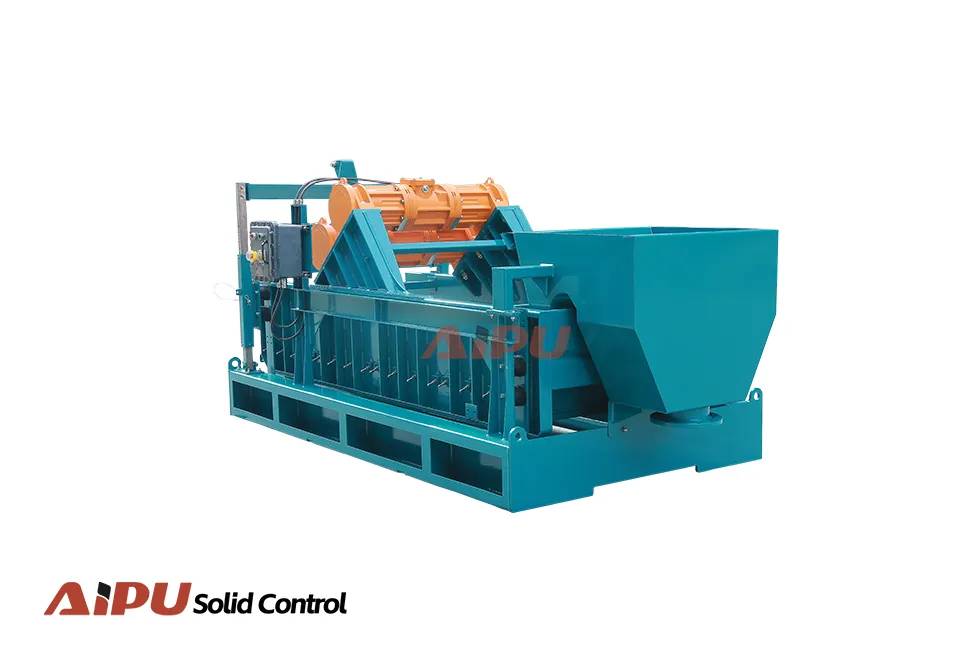
The shale shaker is the primary, first-stage solids removal device. It uses high-frequency, linear or elliptical motion to convey cuttings across a vibrating screen panel. Fluid and particles smaller than the screen mesh pass through as "throughput," while larger solids are discharged off the screen's end. The mud cleaner, typically a third-stage unit, combines a desilter hydrocyclone bank with a fine-mesh shaker. Underflow from the hydrocyclones (a slurry of fine solids and heavy mud) is deposited onto a dedicated vibrating screen to recover valuable barite and liquid.
Key Components and Specifications
Shale shaker specifications focus on screen area, motion type, and G-force. Modern units feature:
- Dual-motion (elliptical/linear) for high-capacity and sticky clays
- Screen panels from API 20 to API 325 mesh
- High G-forces (up to 7.5G) for improved solids conveyance
- 4-inch or 5-inch desilter cones for 15-25 micron separation
- A bottom-deck shaker with API 150-200 mesh screens
- Integrated sump and pump for closed-loop processing
Operational Benefits and Efficiency
The shale shaker's primary benefit is high-volume removal of coarse cuttings, protecting downstream equipment. Efficient shaker performance directly reduces dilution and chemical costs. The mud cleaner's core benefit is economic: it recovers expensive barite and base fluid from the desilter underflow, minimizing losses. This is crucial for weighted mud systems, offering substantial cost savings on mud maintenance.
Industry Applications and Selection
Shale shakers are mandatory on every rig for primary processing. Mud cleaners are selectively deployed based on mud type and economic evaluation. They are most valuable in:
- Weighted water-based or oil-based mud systems
- Operations where barite cost is a significant factor
- Environments with strict waste minimization regulations
Maintenance Considerations
Shale shaker maintenance focuses on screen integrity, tension, and vibration motor health. Daily inspection for screen tears is critical. Mud cleaner maintenance is more complex, involving monitoring cone wear, underflow density, and the integrity of the integrated shaker screen. Proper adjustment of the cone feed pressure is essential for optimal separation and barite recovery.
Conclusion
The shale shaker and mud cleaner serve complementary but separate roles in the solids control hierarchy. The shaker is the workhorse for primary bulk solids removal, while the mud cleaner is a specialized, cost-saving unit for fine solids separation and valuable material recovery. Optimal drilling fluid management requires correctly deploying both technologies based on the specific drilling fluid program and economic objectives of the well.