
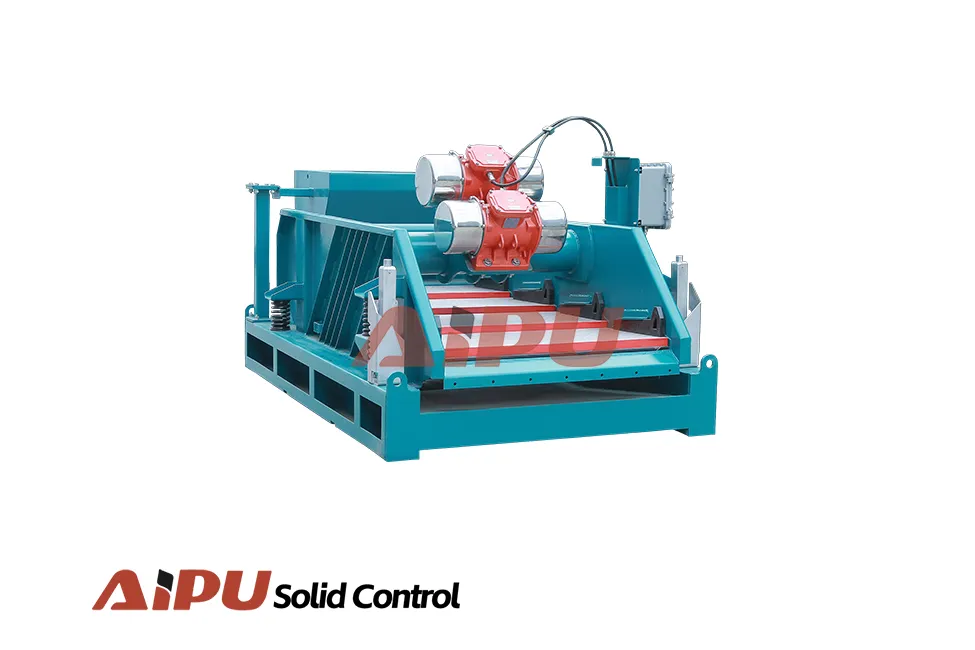
Introduction to shale shaker Technology
The shale shaker is the primary and most critical solid control equipment in any drilling fluid system. Its primary function is to remove large drilled cuttings from the drilling mud via vibratory screening, ensuring the fluid's properties are maintained for efficient drilling. Effective first-stage separation directly impacts overall system performance, cost per foot, and environmental compliance.
Technical Working Principle
The fundamental principle is based on vibratory separation. A high-speed motor generates centrifugal force, causing the screen deck to vibrate in a controlled elliptical or linear motion. As fluid laden with cuttings flows onto the inclined screen panel, the vibration stratifies the material. The liquid and fine particles pass through the screen mesh (undersize), while larger solids (oversize) are conveyed off the screen's discharge end.
- Vibration Type: Linear motion for dry cuttings; elliptical for high flow rates.
- G-Force: Typically adjustable from 4.5G to 7.5G for optimal separation.
- Deck Angle: Adjustable to control solids conveyance and fluid retention time.
Key Components and Specifications
Modern shale shakers are engineered for robustness and precision. Key components include the vibrating basket, screen panels, vibrator motors, and a skid base. Specifications vary by model but focus on capacity and separation fineness.
- Screen Mesh: Ranges from coarse (20 API) to ultra-fine (200+ API).
- Flow Capacity: Up to 5,000 GPM per unit for high-performance models.
- Power Source: Typically electric or hydraulic motors (15-30 HP).
- Screen Panel Technology: Pre-tensioned, hook-strip, or pyramid panels for longevity.
Operational Benefits and Efficiency
Proper shale shaker operation delivers significant cost savings and operational efficiency. By removing a high volume of solids at the first stage, it reduces the load on downstream equipment like desanders and desilters, lowering maintenance costs. It directly conserves drilling fluid, a major expense, and helps maintain optimal mud weight and viscosity for wellbore stability and rate of penetration (ROP).
Industry Applications and Trends
Shale shakers are deployed on every land and offshore rig. Their application is crucial in challenging environments like deepwater drilling and long-reach horizontal wells, where fluid properties are paramount. Current technology trends focus on increased screening area per footprint, improved screen life, and integration with IoT for real-time monitoring of vibration performance and screen integrity, enabling predictive maintenance.
Maintenance Considerations
Regular maintenance is essential for peak performance and uptime. This includes daily inspections of screen integrity, tension, and seal condition. Motors and bearings require scheduled lubrication. The most critical routine is proper screen replacement to prevent bypass and ensure consistent separation efficiency, directly impacting total fluid costs.
Conclusion
The shale shaker remains the workhorse of solids control. Understanding its working principle and maintaining its optimal operation is fundamental to efficient, cost-effective drilling. Continuous innovations in screen technology and motion dynamics ensure shale shakers meet the evolving demands of modern, complex drilling programs, safeguarding fluid properties and contributing directly to the overall economics of the well construction process.