
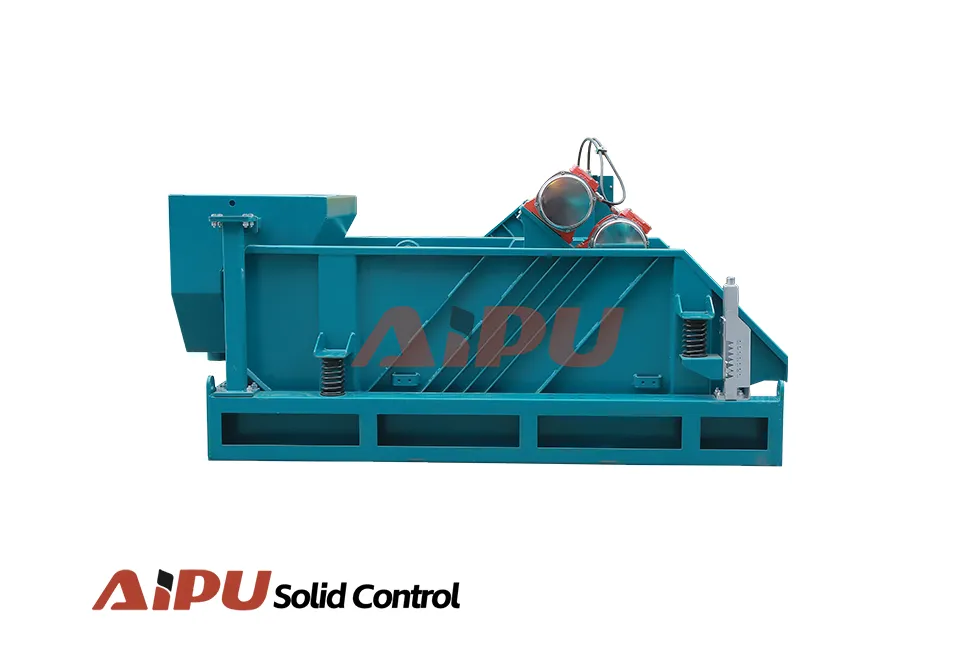
Introduction to shale shaker Function
The shale shaker is the primary and most critical solids control equipment on a drilling rig. Its core function is to remove large drilled cuttings from the drilling fluid (mud) using high-frequency vibration and screened surfaces. Efficient first-stage separation is paramount for protecting downstream equipment, maintaining mud properties, and ensuring overall drilling efficiency and cost control.
Technical Working Principle
Shale shakers operate on the principle of vibratory screening. A motor-driven vibrator imparts a high-frequency, low-amplitude motion to a screen deck mounted at a slight incline. As the fluid-cuttings mixture (the "returns") flows onto the screen, this motion stratifies the material. The liquid and fine particles pass through the screen mesh (the "undersize"), while larger cuttings (the "oversize") are conveyed off the discharge end. Modern units often utilize linear or elliptical motion for optimal solids conveyance and fluid throughput.
Key Components and Specifications
A shale shaker's performance is defined by its key components and their specifications. Critical elements include the vibrating basket, screen panels, and the vibrator assembly.
- Screen Panels: Defined by mesh count (e.g., 80-200) and API designation. Composite, pre-tensioned screens are now standard for durability.
- Vibrator Motors: Provide G-force (typically 4-7 G's) and frequency (up to 3600 RPM). Dual, adjustable motors allow for motion tuning.
- Deck Configuration: Single, double, or triple decks for cascading separation, increasing fineness with each stage.
- Flow Capacity: Rated in gallons per minute (GPM), with high-performance models handling 1000+ GPM.
Operational Benefits and Efficiency
Properly functioning shale shakers deliver direct operational and financial benefits. They are the first line of defense in solids control, directly impacting mud costs and equipment longevity.
- Mud Conservation: Efficiently removes cuttings while returning valuable liquid and chemicals to the active system.
- Downstream Protection: Reduces the load on desanders, desilters, and centrifuges, lowering maintenance costs.
- Reduced Waste Volume: Dryer discharged cuttings minimize environmental footprint and waste hauling expenses.
- Enhanced Drilling Performance: Cleaner mud improves rate of penetration (ROP) and reduces the risk of downhole complications.
Industry Applications and Trends
Shale shakers are ubiquitous across all drilling operations but are particularly vital in high-volume, unconsolidated formations like shale plays. Current industry trends focus on maximizing performance while reducing footprint and power consumption.
- High-Speed Shale Plays: Demand high-G, high-capacity shakers to manage massive solids influx.
- Automation & Monitoring: Integration of IoT sensors for screen health, flow monitoring, and vibration analysis.
- Improved Screen Technology: Development of finer, more durable mesh materials (e.g., 3D pyramid screens) for superior fluid recovery.
Maintenance Considerations
Preventive maintenance is crucial for sustained shale shaker performance and uptime. Key practices include regular inspection of screens for tears or plugging, checking vibrator motor bolts and bearings for proper torque and lubrication, and ensuring tensioning systems are functional. Operators should monitor for changes in vibration pattern or sound, which indicate imbalance or wear. Keeping spray bars clean for screen washing is also essential in sticky clay conditions.
Conclusion
The shale shaker working process is a fundamental, technology-driven operation central to modern drilling efficiency. From its core vibratory separation principle to advanced screen and monitoring technologies, continuous innovation aims to enhance solids removal efficiency, reduce operational costs, and improve environmental performance. A well-maintained and properly specified shale shaker remains the cornerstone of an effective solids control system, directly contributing to safer and more economical drilling programs.