
Introduction
In the hierarchy of solids control, the single deck shale shaker remains a fundamental and versatile workhorse. While multi-deck units are prevalent for high-performance drilling, single deck shakers offer distinct advantages in specific operational scenarios. Their simplicity, robustness, and cost-effectiveness make them a critical technology for optimizing drilling fluid management in targeted applications.
Technical Working Principle
A single deck shale shaker utilizes a vibrating screen deck, typically inclined, to separate drilled solids from the circulating drilling fluid. The unit is driven by dual, counter-rotating vibrator motors that generate a linear, elliptical, or circular motion. This motion conveys cuttings toward the discharge end while fluid and smaller particles pass through the screen mesh. The separation is governed by the G-force, screen mesh count, and flow rate.
Key Components and Specifications
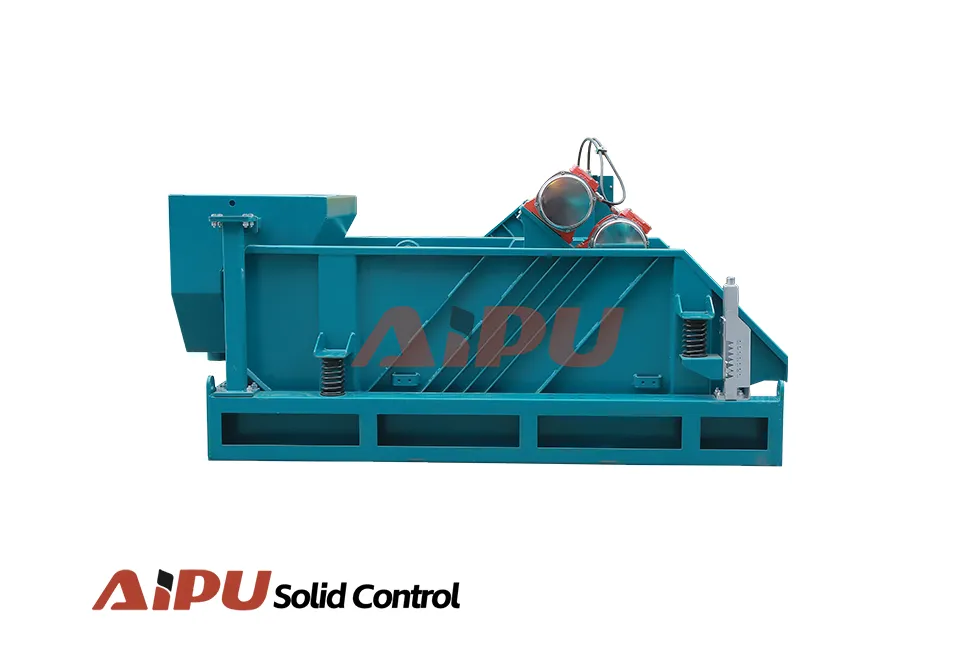
Core specifications define a shaker's capability. Key components include the vibrating basket, screen panel, vibrator motors, and skid base. Standard industry specifications are:
- Deck Area: Typically 4 ft x 5 ft, balancing footprint and capacity.
- Vibration Motors: Often 2-5 HP each, generating 4.0-7.0 G's of acceleration.
- Screen Mesh: Range from coarse (20-40) to fine (80-200) for primary separation.
- Flow Capacity: Designed for 500-1,200 GPM, depending on fluid properties and cut point.
Operational Benefits
The single deck design delivers tangible field advantages. Its primary benefits are reduced capital and operational expenditure (CAPEX/OPEX), simplified logistics, and lower maintenance requirements. The straightforward design minimizes hook-up time, reduces spare parts inventory, and decreases power consumption compared to more complex multi-deck systems, offering a faster return on investment for suitable wells.
Industry Applications
Single deck shakers are strategically deployed where high-volume, fine screening is not the primary objective. Common applications include:
- Top-hole sections with large diameter holes and high solids influx.
- Water-based mud systems where a coarser primary cut is acceptable.
- Workover and completion operations with lower circulating rates.
- As a dedicated degasser or desander feed unit in multi-stage systems.
- Exploratory or remote operations where equipment footprint and simplicity are paramount.
Maintenance Considerations
Proactive maintenance is key to longevity and performance. Focus areas include daily screen panel inspection for tears or blinding, regular tensioning checks, and monitoring motor mounts and bearings for wear. Ensuring proper spray bar operation for screen cleaning is critical. The simpler mechanical design inherently reduces failure points, but adherence to a strict greasing and bolt-torquing schedule remains essential.
Conclusion
Single deck shale shaker technology continues to be a vital, economically optimized solution within the solids control arsenal. Its application is a matter of engineering selection based on well parameters, fluid programs, and economic objectives. For many drilling scenarios, particularly those prioritizing operational simplicity and cost control, the single deck shaker provides an efficient and reliable first line of defense in protecting downstream equipment and maintaining drilling fluid integrity.