
Introduction
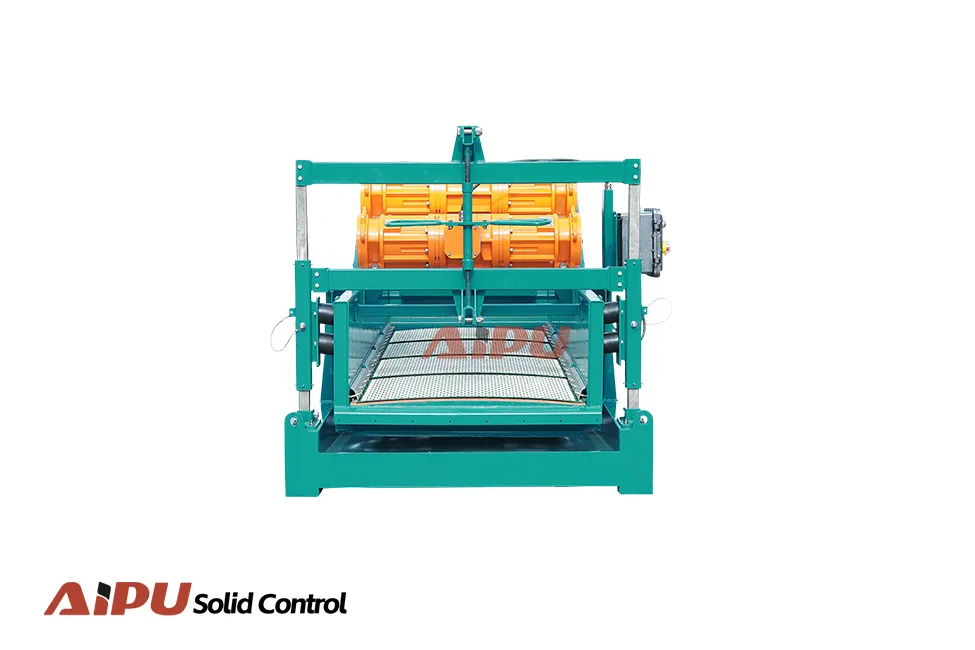
The shale shaker is the primary and most critical component of any drilling rig's solids control system. As the first line of defense, its primary function is to remove large drilled solids and cuttings from the drilling fluid (mud) returning from the wellbore. Efficient shale shaker operation is paramount for maintaining mud properties, protecting downstream equipment, reducing overall waste volumes, and controlling operational costs.
Technical Working Principle
Shale shakers utilize high-frequency, linear or elliptical motion to convey solids across a vibrating screen surface. As fluid passes through the screen mesh, cuttings are transported off the screen deck and discharged. The separation is governed by the screen mesh count (expressed in microns or API mesh number) and the motion profile. Modern shakers employ balanced elliptical or linear motion to maximize fluid throughput and solids conveyance without sacrificing separation efficiency.
Key Components and Specifications
Critical components define shaker performance and application suitability. Key specifications include:
- Deck Configuration: Single, double, or triple decks for staged separation.
- Screen Type: Pretensioned, hook-strip, or composite pyramid screens.
- Motion Type: Linear, elliptical, or balanced elliptical vibration.
- G-Force: Typically 4-7 G's, adjustable for optimal solids handling.
- Flow Capacity: Rated in gallons per minute (GPM), often exceeding 1500 GPM per unit for high-performance models.
Operational Benefits
Properly functioning shale shakers deliver direct economic and operational advantages.
- Mud Conservation: Efficient removal preserves valuable liquid and chemical components.
- Downstream Protection: Reduces wear on desanders, desilters, and centrifuges.
- Waste Reduction: Drier discharged solids lower hauling and disposal costs.
- Improved Drilling Performance: Cleaner mud enhances rate of penetration (ROP) and reduces the risk of stuck pipe.
Industry Applications and Trends
Shale shaker technology continuously evolves to meet industry demands. In high-pressure, high-temperature (HPHT) and extended-reach drilling (ERD) applications, shakers must handle high flow rates and abrasive solids. Current trends include the integration of fine-mesh screens (down to 150+ API mesh) for superior primary separation, automated screen changing systems, and IoT-enabled monitoring of vibration metrics and screen integrity to predict maintenance needs.
Maintenance Considerations
Proactive maintenance is essential for sustained performance and uptime. Key practices include regular inspection of screen integrity for tears or blinding, checking motor mounts and vibration isolators for wear, monitoring belt tension on drive systems, and ensuring proper spray bar operation for screen cleaning. Adherence to manufacturer lubrication schedules for bearings is critical to prevent catastrophic failure.
Conclusion
The shale shaker remains the indispensable cornerstone of effective solids control. Its performance directly impacts the entire drilling fluid system's efficiency, environmental footprint, and economic viability. By understanding its technical principles, selecting appropriate specifications for the application, and implementing rigorous maintenance, drilling engineers can optimize solids removal, significantly reduce non-productive time, and achieve substantial cost savings throughout the drilling operation.