
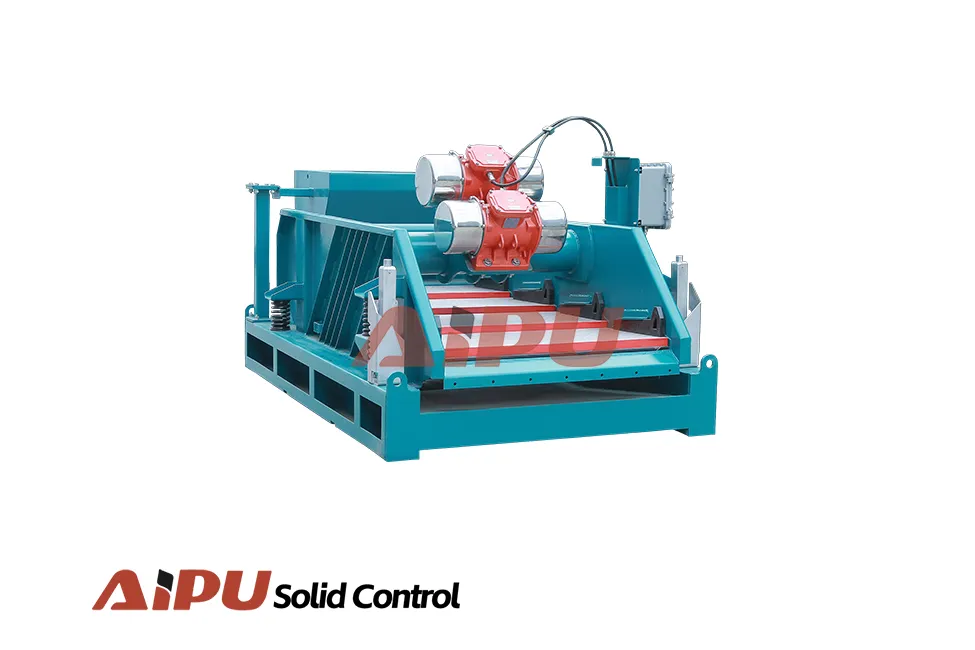
Introduction to the Drilling Fluid shale shaker
A drilling fluid shale shaker is the primary and most critical solid control equipment on a rig. Its primary function is to remove large drilled cuttings, typically those exceeding 74 microns (API 200 mesh), from the circulating drilling fluid (mud). By performing this initial separation, the shale shaker protects downstream equipment, maintains mud properties, and ensures efficient drilling operations, directly impacting wellbore stability, rate of penetration, and overall cost.
Technical Working Principle
The shale shaker operates on the principle of vibratory screening. A high-speed vibrating motor, or an eccentric weight system, imparts a high-frequency, linear or elliptical motion to a tensioned screen panel. As the fluid-cuttings mixture (the "returns") flows onto the inclined screen surface, the vibration conveys solids toward the discharge end while allowing the cleaned fluid to pass through the screen mesh and into the active mud system. The G-force, screen angle, and vibration pattern are precisely tuned for optimal separation.
Key Components and Specifications
Modern shale shakers are engineered for high performance and durability. Key specifications and components include:
- Screen Surface & Mesh: Polyurethane or composite panels with layered mesh (e.g., API 80 to 200).
- Vibration Mechanism: Dual, balanced vibratory motors generating 5.0 to 7.5 G's of acceleration.
- Deck Configuration: Single, double, or triple decks for cascading separation.
- Flow Capacity: Designed to handle full rig circulating rates, often up to 1200 GPM or more.
- Drive System: Robust motor mounts and dust-proof electrical components for harsh environments.
Operational Benefits and Efficiency
Properly sized and operated shale shakers deliver substantial operational and economic benefits. They are the first line of defense in solids control, directly reducing non-productive time (NPT) and mud costs. Key benefits include:
- Extended lifespan of downstream hydrocyclones and centrifuges.
- Reduced dilution and chemical treatment requirements, lowering fluid costs.
- Improved drilling efficiency and reduced risk of stuck pipe or lost circulation.
- Enhanced wellbore quality through consistent maintenance of desired mud weight and rheology.
Industry Applications and Trends
Shale shaker technology is continuously evolving to meet industry demands, particularly in challenging applications like high-pressure, high-temperature (HPHT) drilling and large-diameter surface holes. Current trends focus on increased screening efficiency and automation:
- Fine-Screen Technology: Use of ultra-fine mesh (down to API 250) on primary shakers to improve solids removal.
- Dry Screen Technology: Maximizing solids dryness to minimize waste volume and disposal costs.
- Smart Shakers: Integration of sensors and IoT for real-time monitoring of vibration, flow, and screen health.
Maintenance Considerations
Proactive maintenance is essential for peak shale shaker performance and longevity. Critical maintenance tasks include regular inspection and replacement of worn screen panels, checking motor mounts and vibration isolators for integrity, and ensuring proper tensioning of screens. A well-maintained unit prevents costly fluid losses and ensures consistent solids removal efficiency throughout the drilling program.
Conclusion
The drilling fluid shale shaker remains an indispensable piece of technology in modern drilling operations. Its fundamental role in primary solids control underpins the entire mud system's efficiency. By understanding its working principles, specifications, and proper maintenance, drilling engineers can optimize solids management, significantly reduce operational costs, and enhance overall well construction safety and performance.