
Introduction
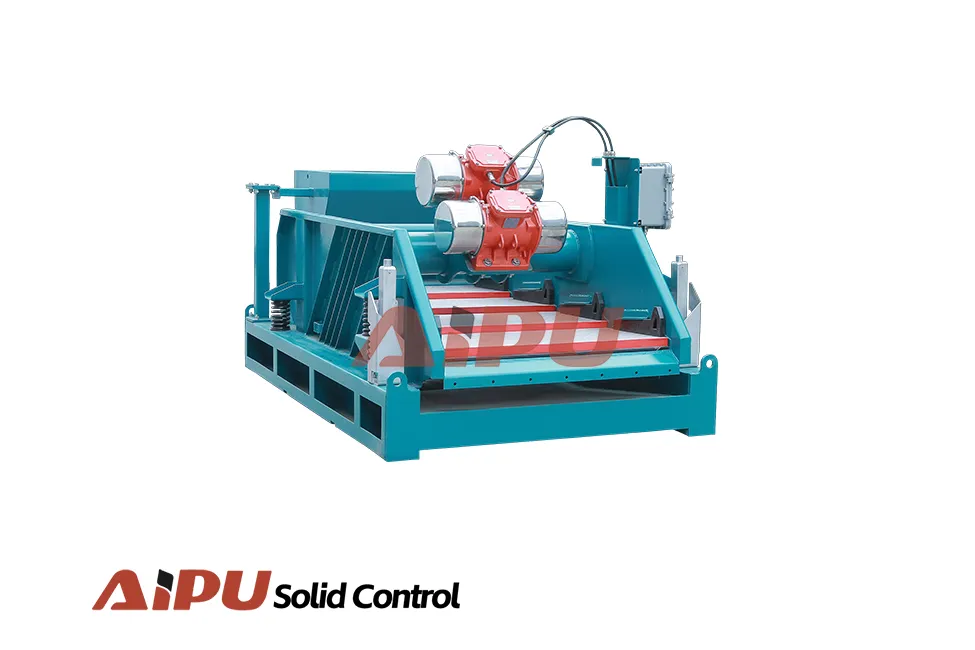
The shale shaker feeder is a critical component in the primary solids control system, responsible for the controlled distribution of drilling fluid onto the shaker screen deck. Its primary function is to ensure optimal separation efficiency by managing the fluid load, preventing screen flooding, and maximizing solids removal. A properly designed and operated feeder directly impacts shaker performance, cuttings dryness, and overall fluid management economics on the rig.
Technical Working Principle
The feeder acts as a transition point between the flow line and the vibrating screen deck. It receives the full, untreated drilling fluid from the wellbore and regulates its flow onto the screens. The key principle is to distribute the fluid evenly across the full width of the leading screen panel, creating a thin, uniform layer. This prevents localized overloading, which can lead to premature screen blinding and reduced solids conveyance. The feeder's design mitigates the direct high-velocity impact of the flow line discharge, protecting screen integrity.
Key Components and Specifications
Modern feeders are engineered for robustness and precise flow control. Key specifications include:
- Feed Box/Basket: A reinforced, abrasion-resistant chamber that receives fluid.
- Distribution Weir or Baffle Plate: Creates an even fluid curtain across the screen width.
- Connection Size: Typically matches rig flow line diameter (e.g., 6" to 10" flanged connections).
- Material: Constructed from high-strength, corrosion-resistant steel with hard-faced liners in high-wear areas.
- Angled Design: Often integrated at a decline to utilize gravity for initial distribution.
Operational Benefits
An efficient feeder delivers tangible operational and financial benefits.
- Enhanced Screen Life: Even distribution reduces localized wear and tear, extending screen service life.
- Improved Solids Removal: Prevents fluid bypass, ensuring maximum exposure of drilled solids to the screen mesh.
- Drier Cuttings: Facilitates better fluid drainage, producing drier discharge cuttings, which reduces fluid loss and disposal costs.
- Increased Throughput: Allows the shale shaker to handle higher flow rates without performance degradation.
Industry Applications
The feeder is indispensable across all drilling applications. In high-pressure, high-temperature (HPHT) wells, it ensures precise fluid handling for weighted, expensive muds. In high-rate drilling, it manages large fluid volumes to maintain separation efficiency. For fine-screen applications (e.g., 200+ mesh), the feeder's role is paramount in preventing instantaneous screen blinding, enabling the use of finer meshes for superior solids control.
Maintenance Considerations
Proactive maintenance of the feeder is essential for sustained shale shaker performance.
- Regularly inspect for erosion, corrosion, and structural integrity.
- Ensure the distribution baffle is not warped or clogged.
- Check that the feeder is correctly aligned and sealed to the shaker bed to prevent leaks.
- Replace worn liners promptly to avoid damage to the underlying structure and ensure consistent flow.
Conclusion
Far from being a simple conduit, the shale shaker feeder is a precision-engineered component vital to primary solids control efficiency. Its proper function directly influences screen longevity, fluid recovery, and waste management costs. As shale shaker technology advances with finer screening and higher capacities, the design and operation of the feeder remain foundational to achieving optimal drilling fluid performance and overall well economics.