
Introduction
In modern drilling operations, the shale shaker serves as the primary and most critical solid control equipment. Its performance directly impacts downstream systems, waste generation volumes, and overall environmental footprint. By efficiently removing drilled solids from the drilling fluid, shale shakers play a pivotal role in minimizing environmental impact through reduced chemical usage, lower waste volumes, and enhanced fluid recycling.
Technical Working Principle
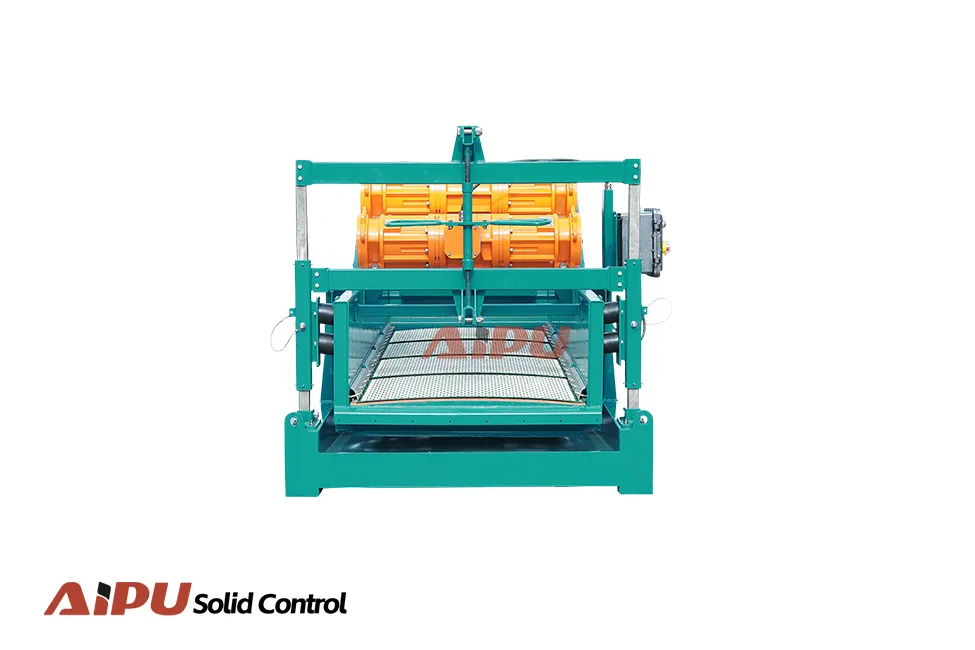
Shale shakers utilize high-frequency, linear motion to convey drilling fluid across a vibrating screen deck. As the fluid mixture passes over the screen mesh, cuttings are separated and discharged off the basket's end. The cleaned fluid returns to the active system. This mechanical separation is the first and most fundamental step in preventing unnecessary waste and conserving valuable drilling fluid components.
Key Components and Specifications
Modern shakers are engineered for maximum separation efficiency and environmental compliance. Key specifications include:
- Screen Mesh: Ranges from API 20 to API 325, with finer meshes capturing more solids, leading to cleaner fluid and less dilution.
- Motion Type: Linear, elliptical, or balanced elliptical motion to optimize conveyance and fluid handling.
- Deck Configuration: Single, double, or triple decks for staged separation, maximizing solids removal and fluid recovery.
- G-Force: Typically 4-7 G's, allowing for finer screen usage without blinding, reducing fluid loss.
Operational Benefits for Environmental Stewardship
Efficient shale shaker operation translates directly into reduced environmental impact. Key benefits include:
- Reduced Fluid Volumes: Effective solids removal decreases the need for frequent dilution, lowering total fluid volume and associated disposal costs.
- Minimized Waste Generation: Dryer cuttings discharged from high-performance shakers result in less waste volume for landfilling or treatment.
- Chemical Conservation: Cleaner fluid requires fewer chemical additives to maintain rheological properties, reducing the environmental load.
Industry Applications and Best Practices
Optimal shale shaker application is critical in sensitive environments. Best practices include:
- Utilizing the finest screen mesh possible for the formation to maximize solids removal at the source.
- Properly configuring deck angles and G-force to achieve dry cuttings, minimizing residual fluid on waste.
- Integrating shakers with downstream vacuum transfer and cuttings dryers for closed-loop systems, further reducing emissions and spill risks.
Maintenance Considerations for Sustainable Operation
Proactive maintenance ensures peak environmental performance. Critical focus areas are screen integrity checks to prevent bypass, proper tensioning to extend screen life and efficiency, and regular inspection of seals and gaskets to prevent leaks. A well-maintained shaker operates at design efficiency, preventing unnecessary waste.
Conclusion
The shale shaker is a cornerstone of environmentally conscious drilling. Through advanced technology and precise operation, it significantly reduces the volume of drilling waste, conserves resources, and lowers the overall ecological impact of well construction. Investing in high-performance shale shaker technology and rigorous operational practices is not only an economic decision but a fundamental commitment to responsible environmental stewardship in the oil and gas industry.