
Introduction
In drilling fluid solids control, shale shaker performance is paramount. The G-force, or gravitational force, generated by the shaker's vibratory motion is the critical metric determining its separation efficiency. Higher, properly applied G-force directly correlates with improved solids removal, cleaner drilling fluid, and significant downstream cost savings for drilling operations.
Technical Working Principle
G-force quantifies the acceleration applied to the screen deck, calculated as G = (π² × N² × A) / (900 × g), where N is RPM and A is stroke amplitude. It is not merely speed; it is the combination of vibration frequency and elliptical or linear stroke that creates the force to convey cuttings and force fluid through the screen mesh. Optimal G-force ensures efficient solids conveyance without fluid loss or screen blinding.
Key Components and Specifications
Modern high-G shakers are engineered to deliver consistent, adjustable forces typically ranging from 5G to 7.5G for standard operations, with some models exceeding 8G. Key specifications include:
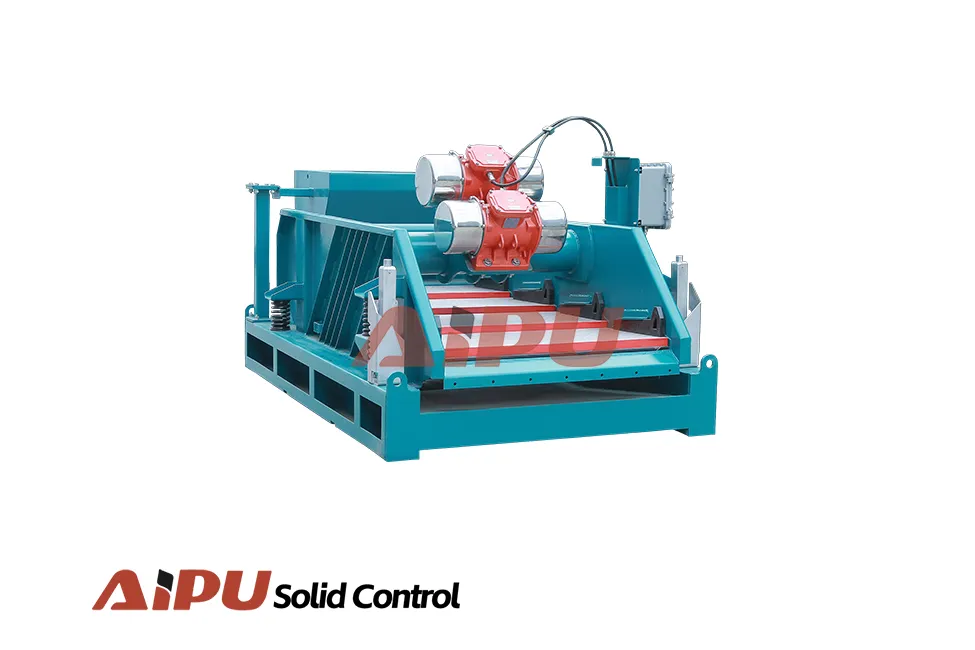
- Vibration Motors: Dual, counter-rotating motors generating balanced, linear motion.
- Screen Deck Angle: Adjustable for optimal solids conveyance (often 0° to +5°).
- Screen Mesh: Fine screens (up to 200+ mesh) can be utilized effectively with high G-force.
- Control Systems: Variable frequency drives (VFDs) allow real-time G-force adjustment.
Operational Benefits
Precisely controlled high-G force delivers tangible field benefits:
- Enhanced Separation: Removes finer solids, improving mud properties and reducing dilution.
- Increased Capacity: Handles higher flow rates and denser drilling fluids.
- Reduced Waste Volume: Drier cuttings discharge lowers haul-off and environmental costs.
- Downstream Protection: Cleaner fluid extends the life of desanders, desilters, and centrifuges.
Industry Applications
High-G shakers are essential across modern drilling programs. In deepwater and HPHT wells, they maintain critical mud properties. For extended-reach horizontal sections, they manage high solids loading from increased drilling volumes. In environmentally sensitive areas, drier cuttings are crucial for waste management compliance. They form the indispensable first line of defense in any multi-stage solids control system.
Maintenance Considerations
Sustaining optimal G-force requires disciplined maintenance. Regular inspection of vibration motor mounts, bearings, and screen tension is mandatory. Worn or improperly tensioned screens drastically reduce effective G-force at the cloth. Operators must monitor for uneven motion or excessive deck vibration, which indicate imbalance or component wear, leading to premature screen failure and separation inefficiency.
Conclusion
G-force is the fundamental driver of shale shaker efficacy. Understanding and optimizing this parameter is not a mere technical detail but a direct lever on drilling economics. By enabling the use of finer screens and delivering drier cuttings, advanced high-G shaker technology protects the mud system, reduces total fluid costs, and enhances overall drilling performance, solidifying its role as the cornerstone of efficient solids control.