
Introduction
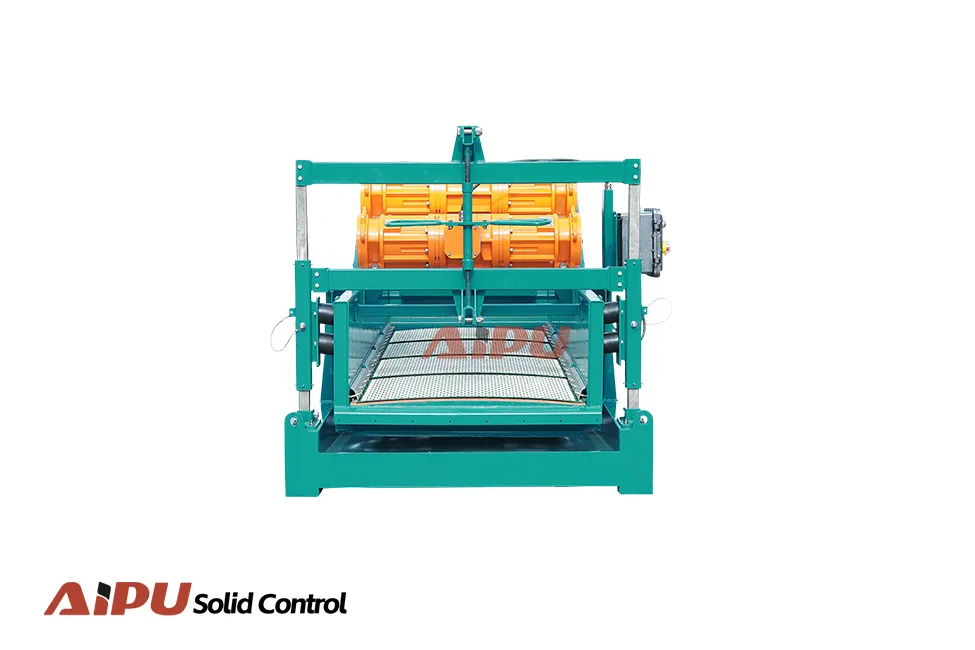
In modern drilling operations, the shale shaker is the primary and most critical solids control equipment for mud recovery. Its performance directly dictates the efficiency of the entire solids removal cascade, impacting drilling fluid properties, wellbore stability, and overall project economics. Effective shale shaker operation ensures the recovery of valuable drilling fluid for recirculation, significantly reducing waste volumes and chemical costs.
Technical Working Principle
A shale shaker separates drilled cuttings from drilling fluid via high-frequency, multi-dimensional vibration. As the fluid-cuttings mixture flows onto a vibrating screen deck, the liquid phase and fine particles pass through the screen mesh, while larger solids are conveyed off the deck for disposal. Key parameters controlling separation include vibration G-force (typically 4-7 Gs), screen mesh count, and deck angle, which are optimized for the specific mud weight and formation type.
Key Components and Specifications
Modern shale shakers feature robust designs to handle high flow rates and abrasive conditions. Critical specifications include:
- Deck Configuration: Single, double, or triple decks for staged separation.
- Screen Surface Area: Ranging from 8 to 16 sq. meters to manage high flow rates.
- Vibration Motors: Dual, balanced elliptical or linear motion motors for precise control.
- Screen Mesh: Composite, pre-tensioned panels from API 80 to API 325 mesh.
Operational Benefits
Optimized shale shaker performance delivers substantial field advantages:
- Mud Conservation: Maximizes recovery of expensive base fluids (oil, synthetic, or water) and additives.
- Reduced Disposal Costs: Efficient solids removal minimizes total waste volume for haul-off.
- Enhanced Drilling Efficiency: Clean mud maintains optimal rheology, reduces pump wear, and improves ROP.
- Wellbore Integrity: Consistent removal of fine solids helps prevent stuck pipe and wellbore packing.
Industry Applications
Shale shaker technology is tailored for diverse applications. On high-pressure, high-temperature (HPHT) wells, shakers use fine mesh screens to maintain ultra-low solids. In top-hole sections, they manage large volumes of gumbo. For directional and ERD wells, they are critical for managing drilled solids in high-value synthetic-based mud (SBM). The advent of closed-loop systems further underscores their role in environmental compliance.
Maintenance Considerations
Proactive maintenance is essential for sustained performance and cost savings. Key practices include regular inspection of screen integrity, tension, and wear patterns. Motor mounts and electrical connections require routine checks. The most impactful operational practice is the correct and timely selection of screen mesh based on real-time drilling conditions to prevent blinding and maximize fluid recovery.
Conclusion
The shale shaker remains the indispensable first line of defense in solids control. Its efficient operation is a direct contributor to lower drilling fluid costs, reduced environmental footprint, and improved well construction safety. Continued innovations in screen technology, motion dynamics, and integration with downstream equipment ensure the shale shaker's central role in achieving optimal mud recovery and overall drilling performance.