
Introduction
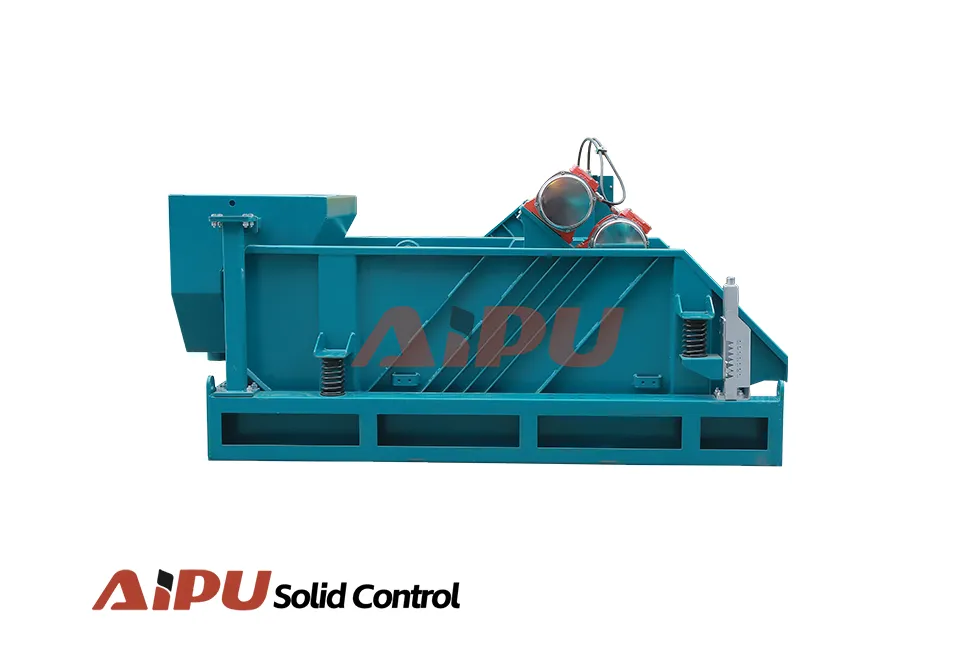
shale shaker feed systems are the critical first stage of solids control, responsible for distributing drilling fluid evenly across the screen surface. Their design directly impacts shaker performance, screen life, and overall separation efficiency. A poorly designed feed system can lead to screen blinding, reduced fluid handling capacity, and increased waste volumes, directly affecting drilling economics.
Technical Working Principle
The primary physics principle governing feed systems is the controlled conversion of fluid potential energy into a uniform, distributed flow. The system manages the high-energy, pressurized fluid from the flowline to minimize destructive impact on the screen. Key principles include momentum dissipation and laminar flow promotion to ensure a consistent, thin fluid layer across the full screen width, maximizing usable screening area and preventing localized wear.
Key Components and Specifications
Modern feed systems consist of several engineered components. The feed box receives fluid from the flowline and initiates flow distribution. Internal baffles or weirs are crucial for energy dissipation. Specifications critical to performance include:
- Feed Box Dimensions: Must match shaker width for full coverage.
- Weir Height & Angle: Controls fluid velocity and distribution pattern.
- Discharge Lip Design: Ensures fluid sheet integrity onto the screen.
- Construction Material: Typically abrasion-resistant steel with polyurethane liners.
Operational Benefits
An optimized feed system delivers tangible field benefits. It maximizes screen utilization by spreading fluid across 95%+ of the screen area, significantly increasing solids removal capacity. This extends screen life by preventing point-load erosion and premature blinding. The result is drier cuttings, reduced fluid losses, and more consistent rheological properties in the active system, contributing to lower dilution and chemical costs.
Industry Applications
Feed system design is adapted for specific applications. High-rate, top-deck systems are standard for primary shakers on high-pressure, high-volume wells. For fine-screen applications on secondary or tertiary shakers, low-velocity distribution pans are used to gently feed fluid. In managed pressure drilling (MPD) or underbalanced operations, pressurized feed systems maintain a closed loop while ensuring even distribution.
Maintenance Considerations
Regular inspection and maintenance of the feed system are essential for sustained performance. Key practices include checking for erosion on baffles and the discharge lip, ensuring all bolts are tight to prevent leakage, and verifying that the feed box is level for even distribution. Clogged weirs or damaged liners must be addressed immediately to prevent performance degradation and costly screen replacements.
Conclusion
The physics of the shale shaker feed system is a foundational element of efficient solids control. By engineering the initial fluid distribution, operators directly influence separation efficiency, operational cost, and waste management. Investing in a properly designed and maintained feed system is a critical step in optimizing the entire drilling fluid process, ensuring peak shaker performance throughout the drilling campaign.