
Introduction
The shale shaker is the primary and most critical solid control equipment in any drilling fluid system. Its primary function is to remove large drilled cuttings from the drilling mud, ensuring the fluid's properties are maintained for efficient drilling and wellbore stability. Understanding its working principle is fundamental to optimizing solids control efficiency, reducing costs, and ensuring smooth drilling operations.
Technical Working Principle
A shale shaker operates on the principle of vibratory screening. It utilizes a high-frequency, linear or elliptical motion imparted to one or more screen decks. As the fluid mixture (mud and cuttings) is discharged onto the screen surface, the vibration stratifies the material. The liquid and fine particles pass through the screen mesh as "throughput," while larger solids are conveyed off the screen's end as discharge. The G-force, amplitude, and frequency of the vibration are precisely tuned for optimal separation.
Key Components and Specifications
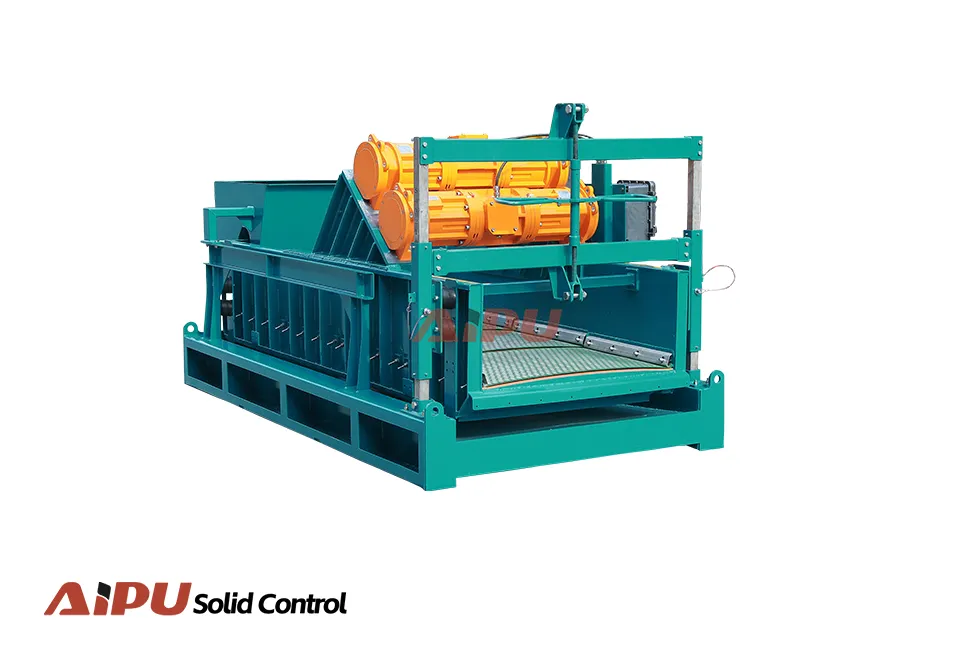
Modern shale shakers consist of several critical components. Key specifications include screen panel area, motor type, and vibratory motion.
- Vibrating Basket: Holds the screen panels; driven by dual vibratory motors.
- Screen Panels: Fine mesh screens, typically layered, with mesh sizes from 20 to 200+ API. Common types include pyramid and hook-strip.
- Vibratory Motors: Generate the necessary G-force (typically 4-7 G's) and frequency (0-60 Hz variable).
- Flow Capacity: Rated in gallons per minute (GPM), with high-capacity units handling 1000+ GPM.
Operational Benefits
Efficient shale shaker operation delivers substantial field benefits, directly impacting the bottom line.
- Mud Conservation: Effective removal of coarse solids preserves valuable drilling fluid, reducing dilution and chemical costs.
- Equipment Protection: Cleaner mud reduces wear on downstream equipment like pumps, desanders, and desilters.
- Drilling Efficiency: Maintains optimal mud weight and rheology, improving rate of penetration (ROP) and reducing non-productive time (NPT).
Industry Applications
Shale shaker technology is applied across all drilling environments but is particularly crucial in challenging applications.
- High-Pressure, High-Temperature (HPHT) Wells: Requires precise solids control to manage sensitive mud properties.
- Directional and Horizontal Drilling: Efficient cuttings removal is vital for hole cleaning and reducing torque and drag.
- Water-Based and Oil-Based Muds: Technology adapts with different screen types and shaker configurations for various fluid types.
Maintenance Considerations
Proactive maintenance is key to reliability. Daily checks should include screen integrity, motor mounting bolts, and tensioning systems. Worn or blinded screens must be replaced immediately to maintain flow capacity. Regular inspection of vibration isolators and motor bearings prevents catastrophic failure. Proper screen selection for the specific drilling phase balances separation efficiency with screen life.
Conclusion
The shale shaker remains the workhorse of solids control. Its fundamental vibratory separation principle, when combined with proper component specification, operation, and maintenance, delivers critical performance and cost benefits. Continued innovations in screen technology and motion dynamics ensure shale shakers will remain essential for efficient and economical drilling operations.