
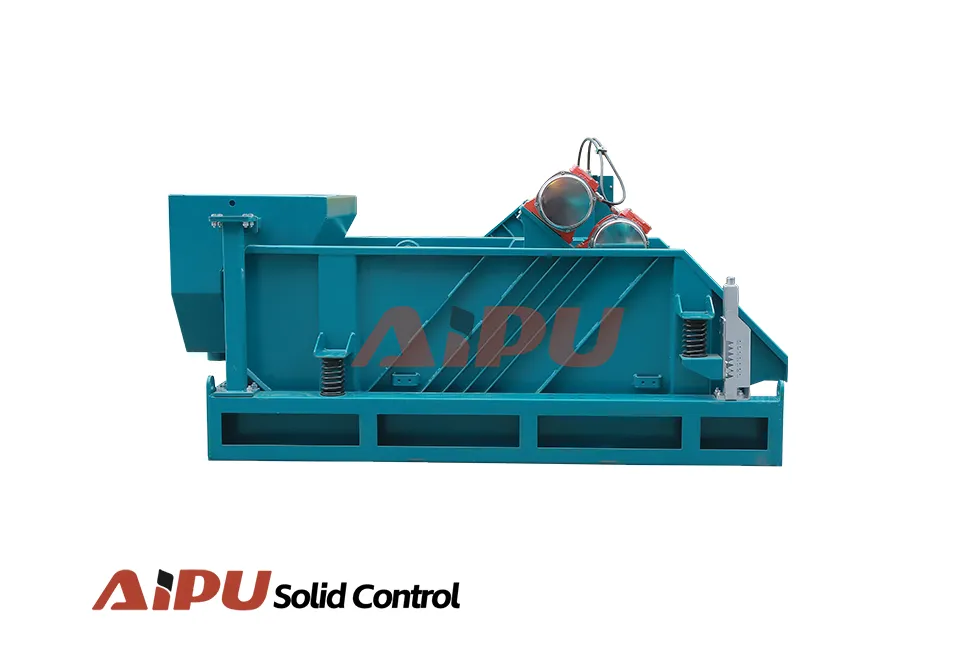
Introduction to shale shaker Amplitude
Amplitude is a critical operational parameter for shale shakers, directly influencing solids control efficiency and drilling fluid recovery. Defined as the maximum displacement of the screen deck from its rest position, optimal amplitude ensures effective solids conveyance and liquid throughput, balancing performance with screen longevity.
Technical Working Principle
Amplitude is generated by rotating eccentric weights on a vibrator motor shaft, creating a centrifugal force. This force is transmitted to the vibrating basket, inducing a elliptical or linear motion. The magnitude is controlled by adjusting the weight configuration or motor RPM, with typical oilfield shakers operating between 4.0-6.5 G's of acceleration.
Key Components and Specifications
Primary components governing amplitude include the vibrator assembly, motor, and deck structure. Key specifications are:
- Measured Range: Typically 2.5 mm to 6.5 mm (peak-to-peak)
- Motor Power: 2-5 HP per motor, often dual-motor configurations
- Frequency: Complementary to amplitude, usually 1,750-2,100 RPM
- G-Force: Calculated from amplitude and frequency; higher for weighted muds
Operational Benefits of Precise Amplitude Control
Correct amplitude setting delivers significant field benefits. High amplitude improves solids conveyance in sticky, high-rate applications, while lower amplitude preserves fine screens for weighted muds. This control directly reduces drilling fluid losses, minimizes dilution costs, and improves overall solids removal efficiency.
Industry Applications and Mud Type Considerations
Amplitude must be tailored to specific drilling applications. Unweighted, water-based muds often require higher amplitude for optimal performance. In contrast, high-density, oil-based muds necessitate lower amplitude to prevent premature screen blinding and barite loss. Automated systems now allow real-time adjustment based on flow rate and solids loading.
Maintenance and Monitoring Considerations
Regular amplitude verification is essential. A decline from baseline indicates worn bearings or loose vibrator weights. Key maintenance actions include:
- Daily visual checks for consistent motion pattern
- Monthly measurement with vibration analysis tools
- Timely replacement of worn vibrator motor components
- Ensuring deck isolation mounts are intact
Conclusion
Mastering shale shaker amplitude is fundamental to efficient solids control. By understanding its technical principles and aligning settings with specific drilling fluid and wellbore conditions, engineers can optimize cuttings removal, significantly reduce non-productive time, and achieve substantial cost savings through preserved fluid and enhanced equipment reliability.