
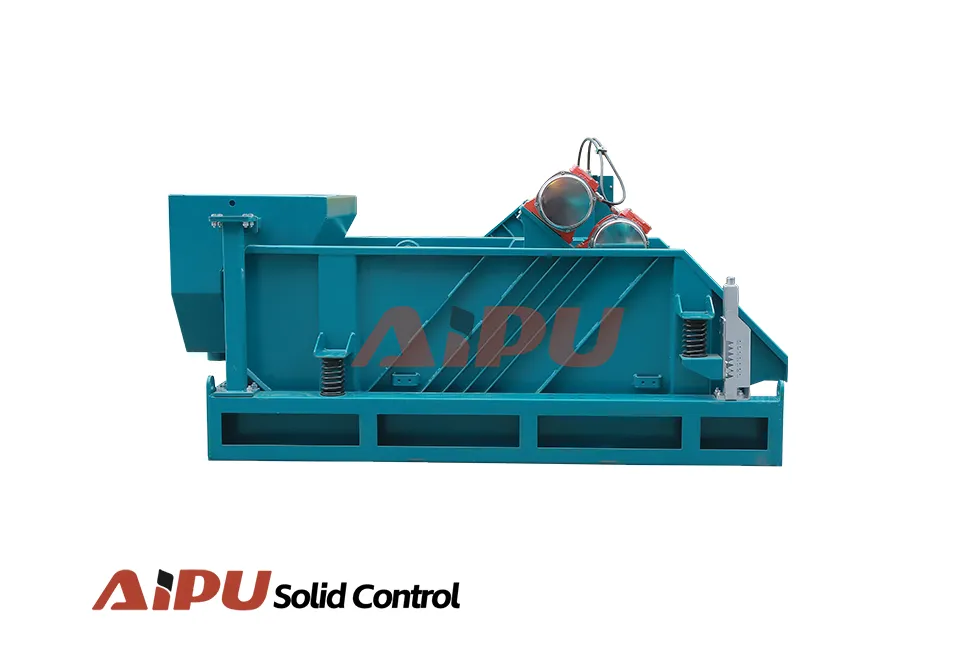
Introduction to shale shaker Vibration Motors
Vibration motors are the critical power source for shale shakers, the primary solids control equipment in drilling fluid systems. Their performance directly dictates screening efficiency, fluid recovery, and overall rig solids management. This article examines the technical aspects, selection criteria, and operational impact of these specialized motors in modern drilling operations.
Technical Working Principle
Shale shaker vibration motors are typically unbalanced-weight, induction-type motors. They generate centrifugal force by rotating eccentric masses on their shafts. This force is transmitted to the shaker screen deck, creating a high-frequency, linear or elliptical motion that conveys drill cuttings while allowing drilling fluid to pass through. The G-force, amplitude, and frequency are precisely tuned for optimal separation.
Key Components and Specifications
Selecting the correct motor is paramount for system performance. Key specifications include:
- Power Rating: Typically ranges from 2 HP to 5 HP per motor, with multiple motors per shaker.
- Vibration Frequency: Operates between 1,750 to 3,600 RPM, influencing fluid throughput and cuttings dryness.
- Centrifugal Force: Measured in Gs (5-7 Gs common), determining the energy imparted to the screen.
- Enclosure: Totally Enclosed Fan Cooled (TEFC) construction is standard for harsh, dusty environments.
- Phase & Voltage: Configured for rig-specific electrical systems (e.g., 460V, 3-phase, 60 Hz).
Operational Benefits and Efficiency
Properly sized and maintained vibration motors deliver significant operational advantages. They maximize fluid recovery by ensuring efficient solids conveyance off the screen, reducing costly fluid losses. This leads to drier cuttings, lowering haul-away costs. Furthermore, consistent, balanced vibration extends screen life and improves overall shaker reliability, minimizing non-productive time (NPT).
Industry Applications and Configurations
Motor selection varies by shaker type and drilling phase. High-speed, linear-motion shakers for fine screening in weighted muds often use paired motors synchronized for linear motion. Balanced elliptical shakers may use multiple motors to create a composite motion pattern. The trend is toward variable-frequency drives (VFDs) to dynamically adjust vibration for different mud weights and flow rates.
Maintenance and Reliability Considerations
Proactive maintenance is essential for motor longevity. Key practices include:
- Regular inspection of mounting bolts and motor feet for cracks or loosening.
- Monitoring amperage draw to detect imbalance or bearing wear.
- Ensuring proper lubrication per manufacturer intervals with high-temperature grease.
- Checking and cleaning cooling fins to prevent overheating.
Carrying properly balanced spare motors is a standard rig-site practice to facilitate quick change-out.
Conclusion
Shale shaker vibration motors are precision components whose performance is foundational to efficient solids control. Understanding their technical specifications, operating principles, and maintenance requirements allows drilling engineers to optimize screen performance, reduce waste disposal costs, and enhance the reliability of the entire mud system. Investing in quality motors and proactive upkeep delivers a strong return through improved drilling fluid management and reduced operational downtime.