
Introduction
As the primary and most critical solids control device on a drilling rig, the shale shaker's performance directly impacts drilling efficiency, fluid costs, and overall well economics. Understanding its core components is essential for drilling engineers to optimize solids removal, maintain mud properties, and minimize non-productive time. This article details the key subsystems that define modern shale shaker technology.
Technical Working Principle
A shale shaker separates drilled solids from drilling fluid via high-frequency, multi-dimensional vibration. Contaminated mud is distributed across a series of vibrating screen panels. The vibratory motion conveys solids toward the discharge end while allowing cleaned fluid to pass through the screen mesh. The G-force, screen angle, and motion path (linear, elliptical, or balanced elliptical) are precisely engineered for specific cutting profiles and flow rates.
Key Components and Specifications
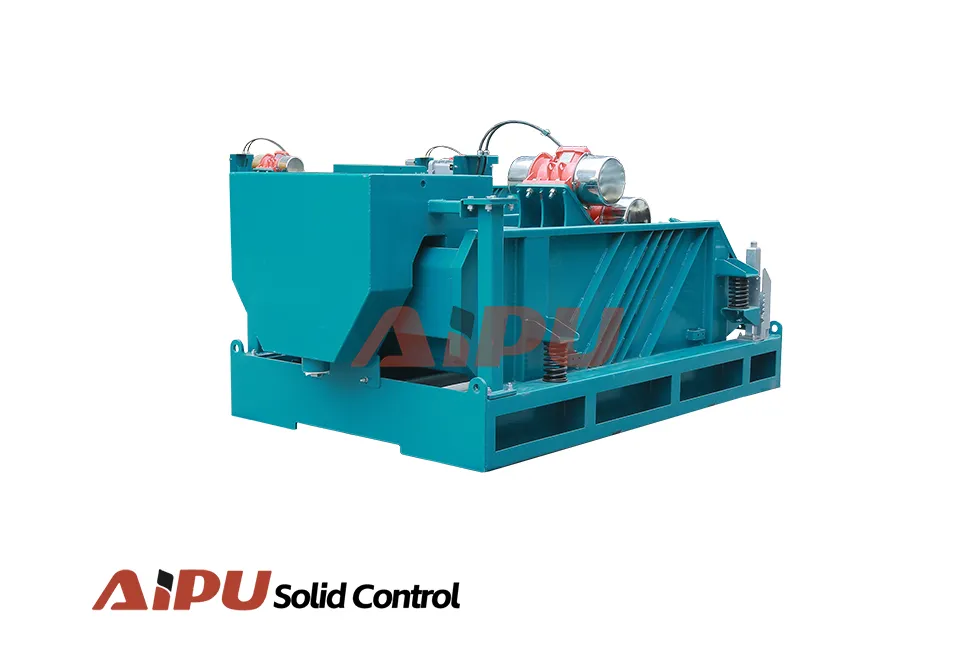
Modern shale shakers are integrated systems of several precision components. Key specifications include deck size, motor horsepower, and vibrator G-force (typically 4-7 G's).
- Vibrator Motors/Exciters: Generate the high-frequency vibration. Brushless DC motors are now standard for reliability and adjustable speed control.
- Screen Panels: Layered mesh (often 3-4 layers) with precise API-rated mesh sizes (e.g., API 200). Panel tensioning systems are critical for performance.
- Deck Structure: A robust, corrosion-resistant frame that supports dynamic loads. Angled decks (e.g., 5° downhill) enhance solids conveyance.
- Flow Distribution System: The "back tank" or "weir box" ensures even fluid distribution across the full screen width to prevent flooding and maximize screen utilization.
Operational Benefits
Properly configured and maintained shale shakers deliver substantial operational advantages. Efficient primary removal reduces the load on downstream equipment (desanders, desilters, centrifuges), lowering total solids control costs. Key benefits include extended drill bit life, reduced dilution and chemical additions, lower disposal volumes, and improved drilling rate of penetration (ROP) by maintaining optimal mud weight and rheology.
Industry Applications
Shale shaker selection is application-driven. High-performance, multi-deck units are mandatory for high-pressure, high-temperature (HPHT) and deepwater wells where fluid properties are critical. In large-diameter surface hole sections, high-capacity shakers manage enormous flow rates and coarse cuttings. For unconventional shale plays, fine-mesh screens (API 200 and finer) are used to manage low-weight, high-ROP drilling to capture fine solids that affect friction factors.
Maintenance Considerations
Proactive maintenance is paramount for sustained efficiency and uptime. Daily inspections should focus on screen integrity, proper tension, and motor function. Common failure points include worn screen panels, damaged tensioning rubbers, and motor mount degradation. Implementing a planned maintenance schedule for bearing lubrication and structural checks prevents catastrophic failure and ensures consistent G-force output, directly protecting the drilling fluid investment.
Conclusion
The shale shaker is a sophisticated mechanical separator whose efficiency hinges on the synergistic operation of its core components. For the drilling engineer, a deep technical understanding of vibratory systems, screen technology, and flow dynamics enables precise shaker selection and operation. This knowledge directly translates to enhanced drilling fluid performance, significant cost savings, and improved wellbore construction safety—solidifying the shale shaker's role as the indispensable first line of defense in solids control.