
Introduction
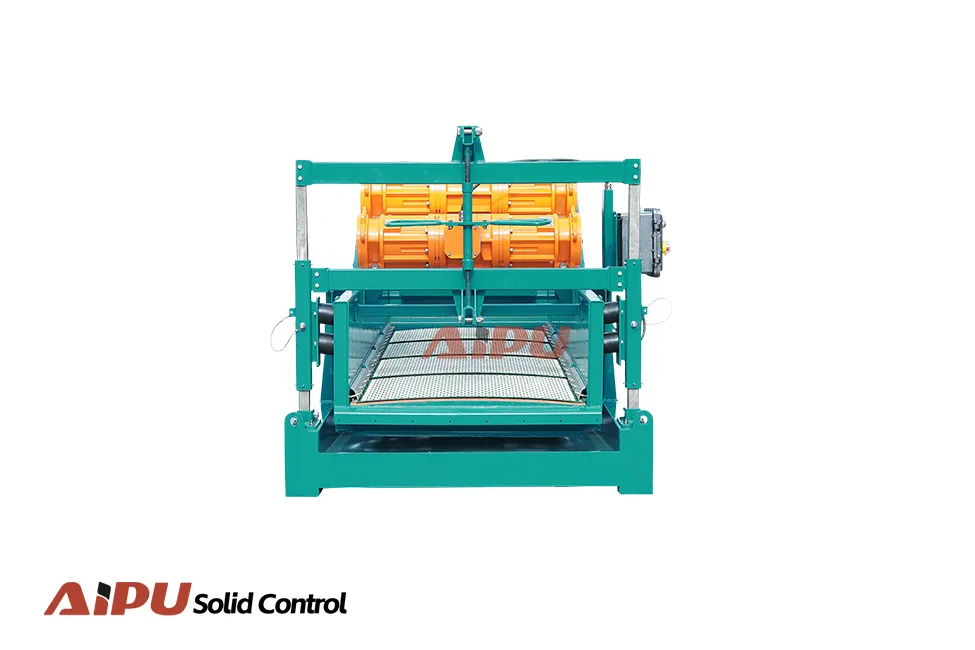
A drying shale shaker is a high-performance, fine-screen solids control device designed for the final stage of drilled cuttings processing. Its primary function is to maximize liquid recovery and minimize the volume of drill cuttings for disposal. By removing a higher percentage of residual drilling fluid (both water-based and synthetic-based) from solids, it significantly reduces waste hauling costs and environmental footprint, making it a critical asset in modern drilling operations.
Technical Working Principle
Operating downstream of primary and secondary shale shakers, the drying shaker receives damp cuttings. It utilizes high-frequency, linear motion (typically 5.0-7.5 G's) combined with an extended, downward-sloping screen deck. This aggressive vibration, applied to ultra-fine mesh screens (often 200 mesh or finer), creates a fluid "rolling" effect. This action forces liberated fluid through the screen pan while propelling the dried solids toward the discharge end.
Key Components and Specifications
Modern drying shakers are engineered for robustness and efficiency. Key specifications include:
- Vibration Motors: Dual, adjustable-frequency motors (0-5.0 HP each) generating linear motion.
- Screen Surface: Large, non-blinding panel screens (up to 5-panel) with mesh sizes from 150 to 325.
- Deck Angle: Adjustable between 0 to +5 degrees for optimal retention time.
- Capacity: Designed to handle flow rates from 500 to 2000 GPM of cuttings slurry.
- Construction: Carbon steel or stainless-steel skid with integrated spray bars for screen cleaning.
Operational Benefits
The implementation of a drying shaker delivers direct operational and economic advantages:
- Fluid Recovery: Recovers 5-15+ barrels of valuable drilling fluid per hour, reducing mud costs.
- Waste Reduction: Can reduce cuttings waste volume by up to 50%, slashing haul-off and disposal expenses.
- Environmental Compliance: Produces drier cuttings that meet stringent regulatory standards for disposal or reuse.
- Improved Safety: Drier cuttings reduce spillage and slip hazards on the rig floor.
Industry Applications
Drying shale shakers are indispensable in specific high-value drilling scenarios:
- Offshore Operations: Where waste storage and disposal costs are exceptionally high.
- Synthetic-Based Mud (SBM) Systems: To recover high-cost base oil and minimize SBM losses.
- Environmentally Sensitive Areas: To achieve the driest possible cuttings for approved disposal methods.
- High-Volume Drilling: In large-diameter surface holes to manage substantial cuttings volumes efficiently.
Maintenance Considerations
To ensure peak performance and longevity, regular maintenance is crucial:
- Daily inspection of screen integrity and tension.
- Routine lubrication of vibrator motor bearings as per manufacturer guidelines.
- Checking and cleaning spray bar nozzles to prevent screen blinding.
- Monitoring motor amperage to detect overloading or imbalance.
- Periodic inspection of isolation mounts and structural welds for fatigue.
Conclusion
The drying shale shaker represents a sophisticated evolution in solids control technology, directly addressing the economic and environmental challenges of modern drilling. By delivering superior fluid recovery and waste minimization, it provides a rapid return on investment. As regulations tighten and fluid costs rise, its role as the final, critical step in efficient cuttings management is firmly established, underscoring the continuous innovation within shale shaker technology for optimal wellsite performance.