
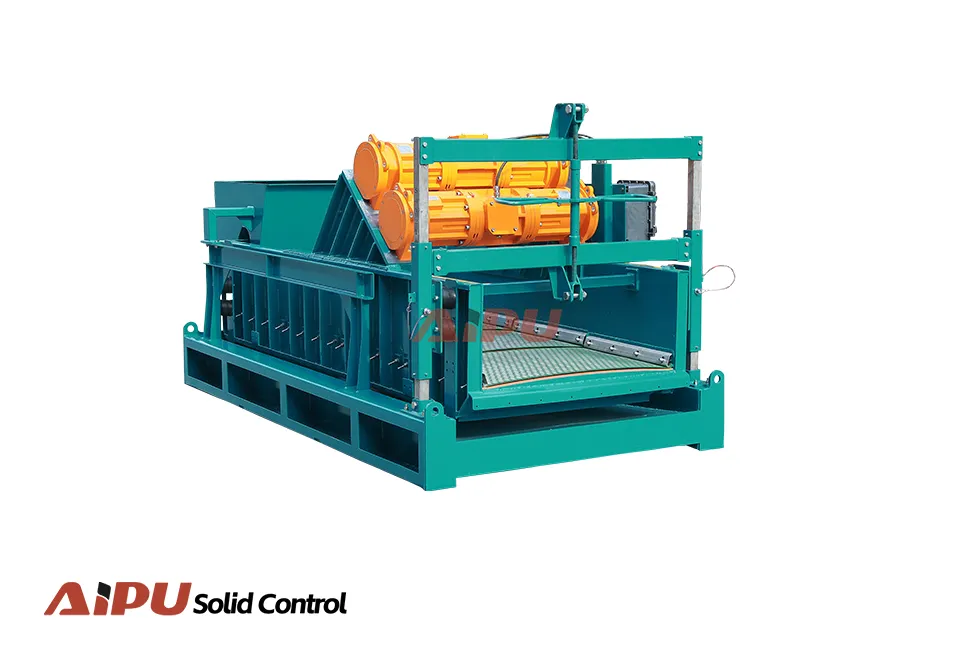
Introduction to shale shakers
A shale shaker is the primary and most critical solid control equipment on a drilling rig. Its primary function is to remove large drilled cuttings (solids) from the drilling fluid (mud) using high-frequency vibration and layered screens. Efficient first-stage separation is paramount for maintaining mud properties, protecting downstream equipment, and ensuring overall drilling efficiency and cost control.
Technical Working Principle
The shale shaker operates on a principle of vibratory separation. A motor-driven vibrator imparts a high-frequency, linear or elliptical motion to a vibrating basket deck covered with replaceable screen panels. As the fluid-cuttings mixture flows onto the screen, the vibration stratifies the material, allowing liquid and fine particles to pass through the screen mesh while conveying larger solids off the discharge end.
Key Components and Specifications
Modern shale shakers are engineered for high performance and reliability. Key specifications include:
- Deck Configuration: Single, double, or triple decks for cascading separation.
- Vibration Mechanism: Balanced elliptical or linear motion for optimal solids conveyance and fluid throughput.
- Screen Mesh: Ranges from coarse (API 20-30) to ultra-fine (API 200+), selected based on formation and mud type.
- G-Force: Typically 4-7 G's, adjustable to handle varying flow rates and solids loads.
- Flow Capacity: Designed to process the full rig circulating rate, often exceeding 1000 gallons per minute.
Operational Benefits and Efficiency
A properly sized and operated shale shaker delivers significant operational and economic advantages.
- Mud Conservation: Efficient removal reduces dilution and chemical treatment costs.
- Equipment Protection: Protects centrifuges, pumps, and drill bits from abrasive solids.
- Drilling Optimization: Enables faster ROP by maintaining optimal mud weight and rheology.
- Environmental Compliance: Reduces total waste volume, lowering disposal costs and footprint.
Industry Applications and Trends
Shale shakers are indispensable across all drilling operations, from conventional wells to complex HPHT and deepwater projects. Current technology trends focus on increased screening efficiency and automation.
- Fine Screen Technology: Use of composite and pyramid screens for drier cuttings and finer separation.
- Automated Controls: Systems that monitor screen condition and adjust vibration for peak performance.
- Modular Design: Allows for quick configuration changes to match specific wellbore challenges.
Maintenance Considerations
Proactive maintenance is crucial for sustained performance and uptime. Key practices include regular inspection of screen integrity, tensioning systems, and vibration motors. Proper screen selection and rapid change-out procedures minimize non-productive time and ensure consistent solids removal efficiency.
Conclusion
The shale shaker remains the foundational component of rig solids control. Continuous innovation in screen technology, motion dynamics, and system integration directly enhances drilling fluid management, reduces operational costs, and mitigates downhole risks. For the drilling engineer, specifying and optimizing shale shaker performance is a critical lever for achieving safe, efficient, and economical well construction.