
Introduction
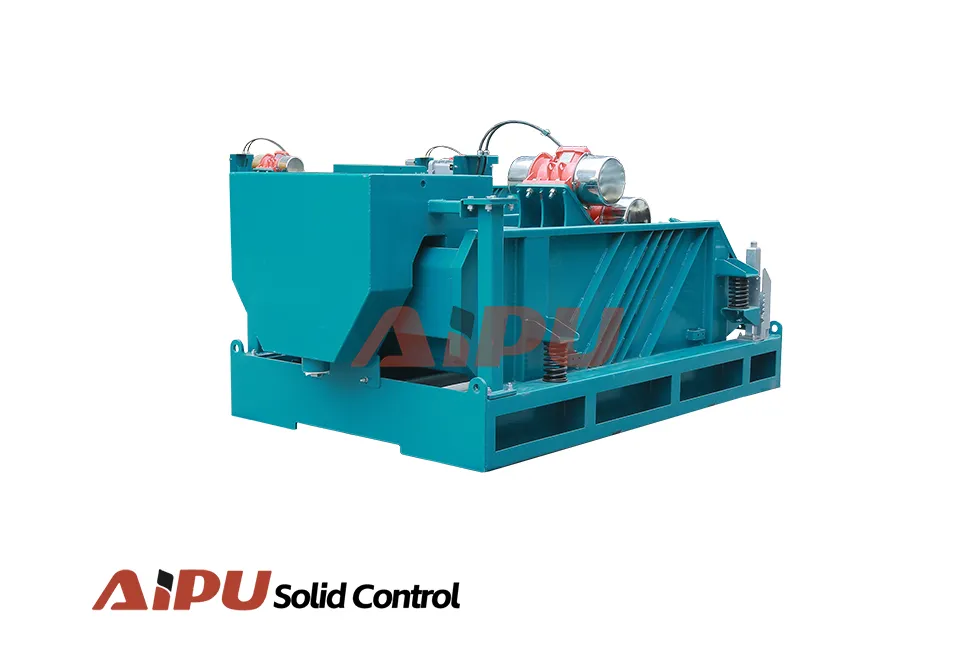
A shale shaker is the primary and most critical solid control equipment on a drilling rig. Its primary function is to remove large drilled cuttings, or "solids," from the drilling fluid (mud) using high-frequency vibration and screen panels. Efficient solids removal at this first stage is paramount for protecting downstream equipment, maintaining mud properties, and ensuring overall drilling efficiency and cost control.
Technical Working Principle
The shale shaker operates on a simple yet effective principle: mechanical sieving. A motor-driven vibrator imparts a high-frequency, linear or elliptical motion to a vibrating deck onto which screen panels are mounted. As the fluid-cuttings mixture flows onto the screen, the vibration stratifies the material, forcing liquid and fine particles through the screen mesh while conveying larger cuttings off the discharge end. Key variables include vibration intensity (G-force), screen mesh size, and deck angle.
Key Components and Specifications
Modern shale shakers are engineered for high performance and durability. Critical components include:
- Vibrator Assembly: Typically unbalanced motors or exciters generating 4-7 G's of acceleration.
- Screen Panels: Layered mesh (often 20-200 API mesh) with precise weaves for optimal fluid recovery and solids conveyance.
- Deck Structure: Angled or balanced elliptical decks designed for specific flow rates and cuttings types.
- Skid & Hook-up Points: Robust construction for integration into the mud tank system.
Operational Benefits
Proper shale shaker operation delivers significant economic and technical advantages:
- Reduces dilution and chemical treatment costs by efficiently removing solids.
- Protects downstream equipment (desanders, desilters, centrifuges) from premature wear.
- Maintains optimal mud weight and rheology, directly impacting rate of penetration (ROP).
- Minimizes waste volume for disposal, reducing environmental footprint and cost.
Industry Applications
Shale shaker technology is applied across all drilling operations but is particularly crucial in:
- High-Pressure, High-Temperature (HPHT) Wells: Where precise mud control is non-negotiable.
- Directional & Horizontal Drilling: Managing increased cuttings load and finer solids.
- Shale Plays: Handling high volumes of fine, abrasive cuttings efficiently.
- Offshore Operations: Where space and weight constraints demand high-capacity, reliable units.
Maintenance Considerations
Proactive maintenance ensures peak shaker performance and longevity. Critical practices include:
- Regular inspection and tensioning of screen panels to prevent bypass.
- Monitoring vibrator bearings and motor amperage for signs of imbalance or wear.
- Keeping fluid distribution systems and spray bars clean to prevent screen blinding.
- Adhering to manufacturer lubrication schedules for all moving parts.
Conclusion
The shale shaker remains the indispensable first line of defense in drilling fluid processing. Continuous innovations in screen technology, motion dynamics, and automation are enhancing separation efficiency and reliability. For drilling engineers, selecting the correct shaker configuration and screens for the specific formation is a critical operational decision that directly influences wellbore stability, drilling efficiency, and overall well economics.