
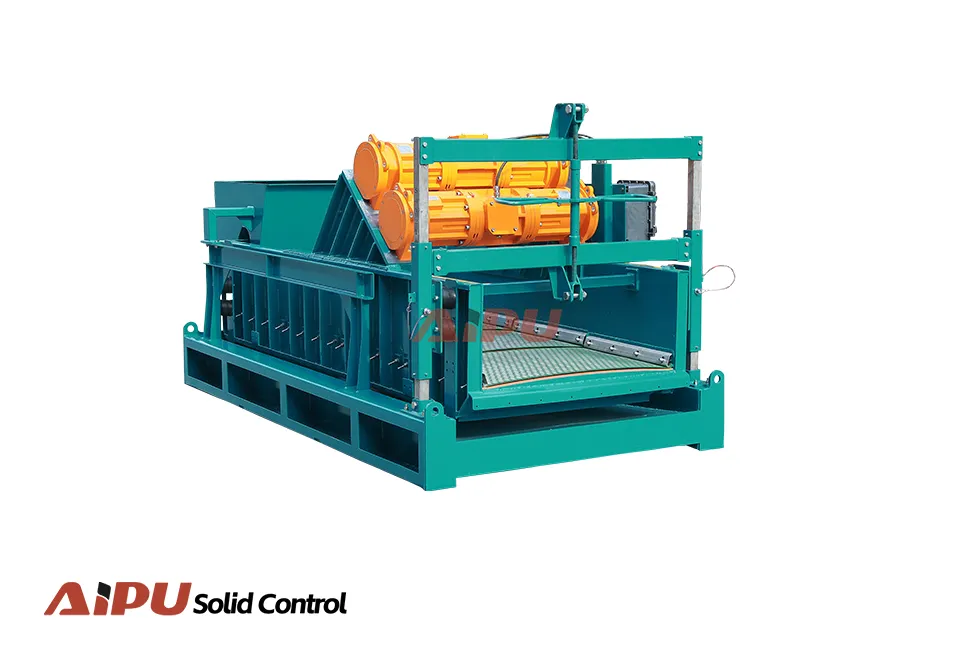
Introduction to shale shakers
A shale shaker is the primary and most critical solids control equipment on a drilling rig. It is the first stage in removing drilled cuttings and large solids from the drilling fluid (mud), which is essential for maintaining mud properties, protecting downstream equipment, and ensuring efficient drilling operations. For beginners, understanding its function is key to grasping modern drilling efficiency.
Technical Working Principle
The shale shaker operates on a simple yet effective principle: vibratory sieving. A high-speed vibrating motor, or motors, impart a high-frequency, linear or elliptical motion to a tilted screen deck. As the fluid-solids mixture (the mud returns) flows onto the screen, the vibration stratifies the material. The liquid and fine particles pass through the screen mesh (becoming "clean mud"), while larger drilled solids are conveyed off the screen's discharge end for disposal.
Key Components and Specifications
Modern shale shakers are engineered for durability and performance. Key components include the vibrating basket, screen panels, vibrator motors, and a skid base. Critical technical specifications that define performance are:
- Screen Mesh Size: Ranges from coarse (API 20-30) to ultra-fine (API 200+), measured in microns.
- G-Force: Typically 4-7 G's, determining separation efficiency and fluid throughput.
- Deck Configuration: Single, double, or triple decks for staged separation.
- Flow Rate Capacity: Rated in gallons per minute (GPM), often 500-1500 GPM per unit.
Operational Benefits and Efficiency
Effective shale shaker operation delivers direct cost savings and operational benefits. By removing solids at the first opportunity, it preserves the chemical and physical properties of the expensive drilling fluid, reducing dilution and treatment costs. It also protects centrifugal pumps, desanders, and desilters from abrasive wear, lowering maintenance downtime and extending equipment life.
Industry Applications and Trends
Shale shaker technology is fundamental to all drilling operations, from conventional vertical wells to complex extended-reach and shale plays. Current industry trends focus on maximizing solids removal while minimizing fluid loss. Innovations include:
- Fine-screen shakers capable of running 250+ mesh panels.
- Balanced elliptical motion for drier cuttings and increased fluid recovery.
- Automated screen tensioning and condition monitoring systems.
Maintenance Considerations
Proactive maintenance is crucial for peak shaker performance and longevity. Key practices include daily inspection of screen integrity for tears or blinding, checking motor mounts and vibration isolators, ensuring proper screen tension, and keeping fluid distribution systems clean. A well-maintained shaker prevents costly non-productive time (NPT).
Conclusion
The shale shaker remains the workhorse of rigsite solids control. Its continuous evolution in vibration technology and screen design directly contributes to safer, faster, and more economical drilling. A solid understanding of its principles, specifications, and maintenance is essential for any drilling professional aiming to optimize the drilling fluid system and overall well construction process.