
Introduction
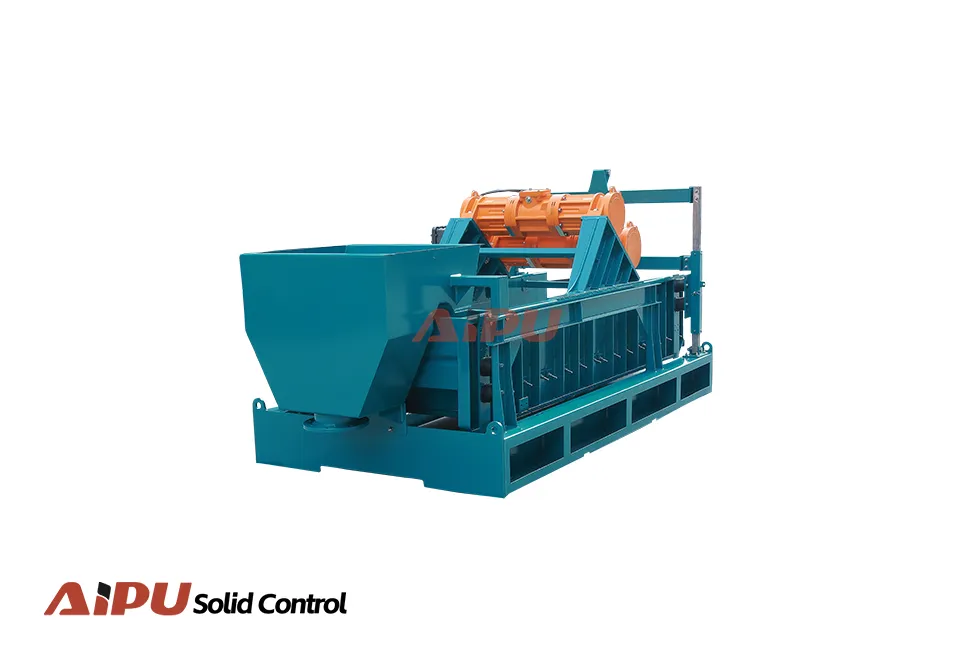
The shale shaker is the primary and most critical solid control equipment on any drilling rig. Its fundamental role is to perform the first-stage separation of drilled cuttings from the drilling fluid (mud), safeguarding the entire mud system. Efficient shale shaker operation is paramount for maintaining mud properties, protecting downstream equipment, and ensuring overall drilling efficiency and cost control.
Technical Working Principle
Shale shakers utilize high-frequency, linear or elliptical motion to convey drilling fluid across a vibrating screen deck. As the fluid mixture flows over the screen panels, the liquid phase and fine particles smaller than the screen mesh pass through (the "throughput"), while larger drilled solids (cuttings) are conveyed off the discharge end. The motion is generated by rotating eccentric weights on vibrator motors, creating G-forces typically ranging from 4.5G to 7.0G to optimize solids conveyance and fluid throughput.
Key Components and Specifications
Modern shale shakers are engineered for high performance and reliability. Key specifications and components include:
- Screen Surface Area: Ranging from 8 to 12+ square meters per unit to handle high flow rates.
- Vibration Motors: Dual, adjustable-speed motors enabling precise control of vibration intensity and screen deck angle.
- Screen Panels: Composite, pretensioned panels with mesh sizes from API 20 to API 325+ for fine separation.
- Deck Configuration: Single, double, or triple decks in series for progressive, multi-stage screening.
Operational Benefits
A high-performance shale shaker delivers direct operational and economic benefits. It significantly reduces the volume of drilled solids entering the active mud system, which preserves critical mud properties like viscosity and density. This leads to lower dilution and chemical treatment costs, extended equipment lifespan for pumps and mud cleaners, and reduced waste disposal volumes. Ultimately, it enhances rate of penetration (ROP) and contributes to safer, more efficient well construction.
Industry Applications
Shale shaker technology is vital across all drilling applications but is particularly crucial in challenging environments. In high-pressure, high-temperature (HPHT) wells, they ensure precise weight control. In deepwater operations, they handle synthetic-based mud (SBM) efficiently. For extended-reach horizontal wells, they manage high solids loading from extended sections, protecting expensive downhole tools and ensuring wellbore stability.
Maintenance Considerations
Proactive maintenance is essential for optimal shaker performance and longevity. Key practices include:
- Regular inspection and replacement of worn screen panels to prevent bypass.
- Monitoring motor amperage and vibration patterns for early fault detection.
- Ensuring proper tensioning of screens to maximize screen life and separation efficiency.
- Routine cleaning and lubrication of vibrator bearings and other moving parts.
Conclusion
The shale shaker remains the indispensable first line of defense in solids control. Its importance transcends simple filtration; it is a cornerstone of drilling fluid management, directly impacting well costs, operational safety, and drilling performance. Continuous innovations in motion, screen technology, and automation ensure shale shakers will continue to be a critical asset in meeting the evolving challenges of modern drilling operations.