
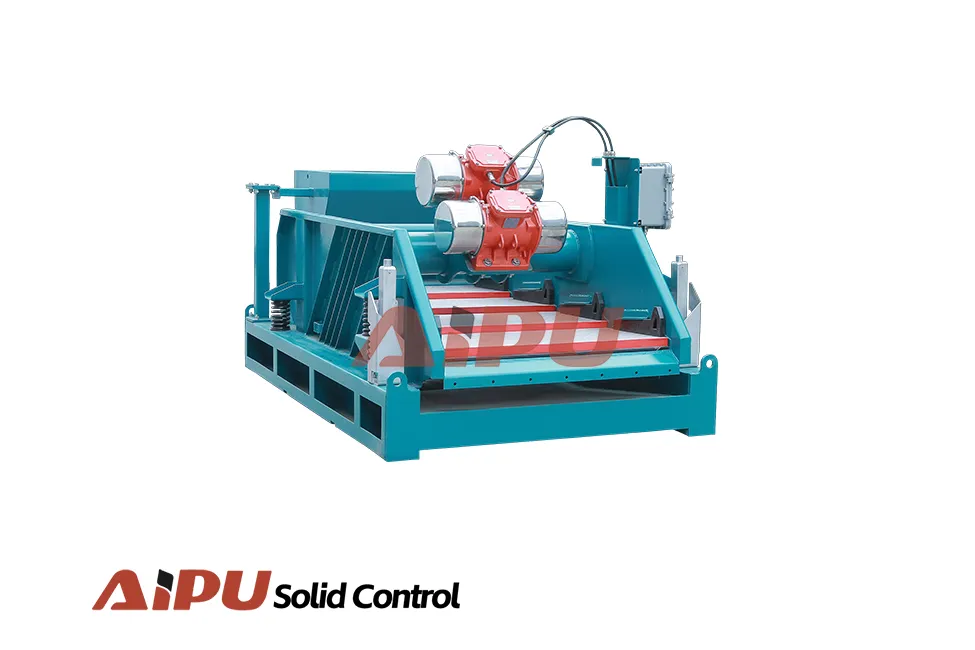
Drilling fluid, also known as mud, plays a critical role in drilling operations, serving multiple functions including cooling the drill bit, lubricating the drill string, and carrying drilled cuttings to the surface. The performance of drilling fluid directly impacts drilling efficiency, safety, and cost. Shale shakers, as the primary solids control equipment, play a pivotal role in maintaining and improving drilling fluid performance. This article explores how shale shakers enhance drilling fluid properties and overall performance.
Reducing Solids Content
One of the most direct ways shale shakers improve drilling fluid performance is by reducing the solid particles content. As drilling progresses, drilled cuttings are introduced into the drilling fluid, increasing its solids concentration. High solids content can lead to several problems:
- Increased fluid viscosity, which requires more energy to pump
- Accelerated wear on drilling equipment
- Reduced ability to clean the hole effectively
- Higher fluid loss to the formation
Shale shakers remove the majority of these drilled solids, typically capturing particles larger than 75-100 microns. This initial separation step is crucial for maintaining optimal solids concentration in the drilling fluid.
Maintaining Fluid Density
Proper drilling fluid density is essential for controlling wellbore pressure and preventing blowouts. When solids accumulate in the fluid, its density increases beyond the desired range. Shale shakers help maintain consistent fluid density by removing excess solids, reducing the need for constant density adjustments.
By efficiently separating drilled cuttings, shale shakers prevent density spikes that could compromise well control. This not only improves drilling safety but also reduces the cost of density control materials.
Controlling Viscosity
Viscosity is a critical property of drilling fluid, affecting its ability to suspend cuttings, lubricate the drill string, and flow efficiently. High solids content increases fluid viscosity, making it more difficult to pump and less effective in its primary functions.
Shale shakers help control viscosity by removing the fine and coarse solids that contribute to increased viscosity. This allows drilling operators to maintain the optimal viscosity range, improving fluid performance and reducing pumping costs.
Improving Fluid Rheology
Fluid rheology refers to the flow properties of drilling fluid, including its viscosity under different shear rates. Proper rheology is essential for efficient hole cleaning, cuttings transport, and pressure control.
Shale shakers improve fluid rheology by:
- Removing drill solids that can disrupt the fluid's rheological properties
- Maintaining the integrity of fluid additives
- Preventing the accumulation of colloidal solids
By maintaining proper rheology, shale shakers ensure that drilling fluid performs optimally across a range of flow conditions.
Reducing Fluid Loss
Fluid loss, or the amount of fluid that filters into the formation, can cause several problems including formation damage, stuck pipe, and increased fluid costs. High solids content can exacerbate fluid loss by clogging the formation pores and reducing the effectiveness of fluid loss control additives.
Shale shakers help reduce fluid loss by removing the fine particles that contribute to filter cake buildup and formation damage. By maintaining clean drilling fluid, shale shakers improve the effectiveness of fluid loss control additives, reducing overall fluid loss to the formation.
Extending Fluid Life
Drilling fluid is a significant operational expense, and extending its service life can result in substantial cost savings. Shale shakers play a key role in prolonging fluid life by:
- Removing drilled cuttings that can contaminate the fluid
- Reducing the need for frequent fluid replacements
- Maintaining the effectiveness of fluid additives
- Preventing the buildup of harmful contaminants
By extending fluid life, shale shakers reduce the volume of fresh fluid required and minimize waste disposal costs.
Enhancing Solids Control System Efficiency
Shale shakers are the first stage in the solids control system, and their performance directly impacts the efficiency of downstream equipment such as desanders, desilters, and centrifuges. A well-performing shale shaker reduces the load on these secondary systems by removing the majority of solids upfront.
This improved efficiency translates to:
- Extended service life for downstream equipment
- Reduced maintenance costs
- Improved overall solids control efficiency
- Lower energy consumption
Improving Environmental Performance
Cleaner drilling fluid has significant environmental benefits. By removing solids effectively, shale shakers:
- Reduce the volume of waste fluid requiring disposal
- Minimize the release of harmful substances into the environment
- Improve the effectiveness of waste treatment processes
- Help operators comply with environmental regulations
Optimizing Drilling Efficiency
Ultimately, the improved drilling fluid performance resulting from effective shale shaker operation translates to enhanced overall drilling efficiency. Benefits include:
- Faster drilling rates
- Reduced downtime
- Fewer drilling problems such as stuck pipe or wellbore instability
- Lower operational costs
- Improved well quality
Key Factors for Maximizing Shale Shaker Performance
To fully realize the benefits of shale shakers in improving drilling fluid performance, several factors must be considered:
- Screen Selection: Choosing the right screen mesh size for the specific drilling conditions is critical for effective solids removal.
- Vibration Settings: Optimizing vibration intensity and frequency ensures efficient solids transport and separation.
- Proper Maintenance: Regular inspection and maintenance of shale shakers ensure consistent performance.
- Operator Training: Well-trained operators can adjust shaker settings in real-time to optimize performance based on changing drilling conditions.
Advanced Technologies for Enhanced Performance
Modern shale shakers incorporate advanced technologies to further improve drilling fluid performance:
- Variable Frequency Drives: Allow for precise adjustment of vibration settings to match drilling conditions.
- Automated Screen Change Systems: Reduce downtime and ensure consistent screen performance.
- Self-Cleaning Screens: Prevent screen blinding and maintain optimal separation efficiency.
- Real-Time Monitoring: Provide operators with instant feedback on shaker performance and fluid properties.
Conclusion
Shale shakers play a fundamental role in improving drilling fluid performance, with far-reaching impacts on drilling efficiency, safety, and cost. By effectively removing drilled solids, maintaining optimal fluid properties, and enhancing the performance of downstream equipment, shale shakers contribute significantly to the success of drilling operations.
As drilling operations continue to evolve, with deeper wells, harsher drilling conditions, and stricter environmental regulations, the importance of shale shakers in maintaining and improving drilling fluid performance will only increase. Investing in high-quality shale shakers and optimizing their operation is essential for maximizing drilling efficiency and minimizing costs.
By understanding the critical role of shale shakers in drilling fluid management, operators can make informed decisions about equipment selection, operation, and maintenance, ultimately improving their bottom line and drilling success rate.