
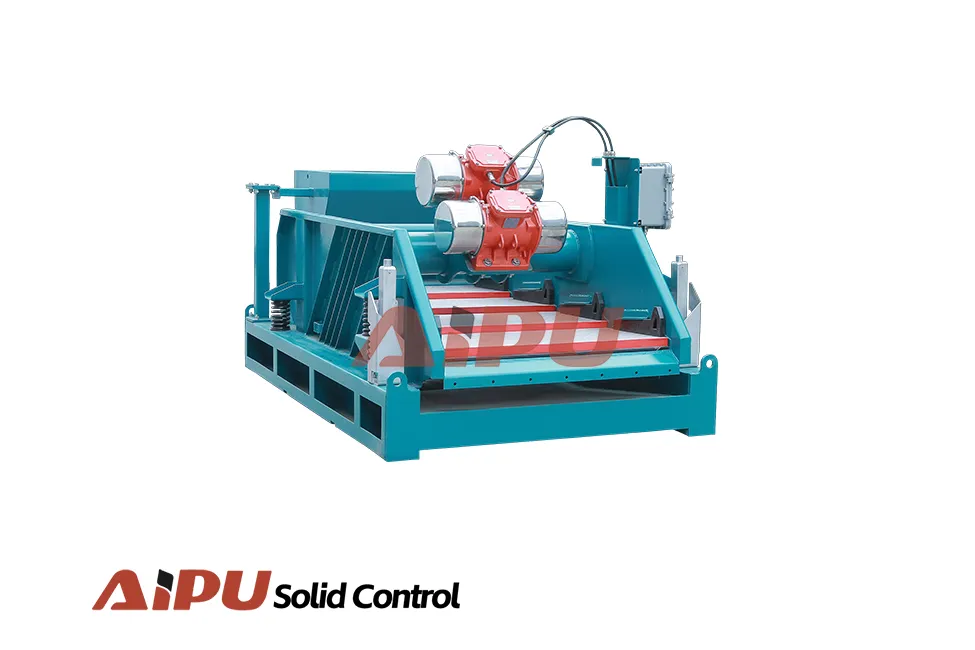
As environmental regulations become increasingly stringent, drilling operators face growing pressure to minimize their environmental footprint. The shale shaker, as the primary solids control equipment, plays a crucial role in helping operators achieve and maintain environmental compliance. This article explores how shale shakers support environmental compliance in drilling operations.
Reducing Drilling Waste Volume
One of the most significant environmental benefits of efficient shale shakers is their ability to reduce the volume of drilling waste requiring disposal. By effectively separating drilled cuttings from drilling fluid, shale shakers:
- Maximize the recovery and reuse of drilling fluid
- Minimize the volume of waste cuttings that must be transported and disposed of
- Reduce the need for off-site waste treatment facilities
- Lower the risk of spills and leaks during waste handling
Studies have shown that high-efficiency shale shakers can reduce drilling waste volume by 30-50% compared to standard equipment, significantly reducing environmental impact and disposal costs.
Preventing Fluid Loss to the Environment
Shale shakers help prevent drilling fluid loss to the environment by:
- Maintaining proper drilling fluid properties that reduce fluid loss to the formation
- Minimizing fluid bypass that can occur with inefficient separation
- Reducing the need for frequent fluid makeup, which can lead to spills during handling
- Supporting closed-loop drilling systems that contain all fluids within the system
Preventing fluid loss not only protects the environment but also conserves valuable resources and reduces operational costs.
Supporting Sustainable Drilling Practices
Modern drilling operations are increasingly adopting sustainable practices, and shale shakers play a key role in this transition:
- Water Conservation: By maximizing fluid recovery, shale shakers reduce the need for fresh water in drilling operations.
- Energy Efficiency: High-efficiency shale shakers require less energy to operate while providing better performance.
- Reduced Chemical Usage: Maintaining drilling fluid properties reduces the need for chemical treatments.
- Circular Economy: Facilitating the reuse of drilling fluids aligns with circular economy principles.
Meeting Regulatory Requirements
Shale shakers help operators meet various regulatory requirements, including:
- Waste Disposal Regulations: Reducing waste volume helps comply with limits on waste generation and disposal.
- Water Quality Standards: Preventing fluid loss protects groundwater and surface water quality.
- Air Quality Regulations: Reducing waste handling and transportation minimizes dust and emissions.
- Environmental Impact Assessments: Efficient solids control demonstrates commitment to minimizing environmental impact.
Non-compliance with environmental regulations can result in significant fines, operational delays, and damage to a company's reputation. Investing in high-efficiency shale shakers is a proactive step toward ensuring compliance.
Case Study: Environmental Compliance in Offshore Drilling
An offshore drilling operator in the North Sea was facing challenges meeting strict environmental regulations for waste disposal and fluid management. By upgrading to high-efficiency AIPU shale shakers, they achieved:
- 40% reduction in drilling waste volume
- 30% reduction in drilling fluid makeup
- Compliance with all local and international environmental regulations
- Recognition as an industry leader in sustainable drilling practices
- Significant cost savings in waste disposal and fluid procurement
Technological Advances Supporting Environmental Compliance
Recent technological advances in shale shaker design have further enhanced their environmental benefits:
- Composite Screens: Offer higher separation efficiency and longer service life, reducing waste from screen replacement.
- Variable Frequency Drives: Allow for energy-efficient operation by adjusting vibration parameters based on drilling conditions.
- Automated Monitoring Systems: Optimize performance in real-time, reducing fluid loss and waste generation.
- Compact Designs: Require less space and energy, reducing the environmental footprint of drilling rigs.
Best Practices for Environmental Compliance
To maximize the environmental benefits of shale shakers, operators should implement these best practices:
- Invest in high-efficiency shale shakers with advanced features
- Regularly maintain and inspect equipment to ensure optimal performance
- Train personnel on proper operation and maintenance techniques
- Monitor performance metrics to identify areas for improvement
- Implement a closed-loop drilling fluid system
- Collaborate with equipment manufacturers to optimize performance for specific environmental requirements
Conclusion
Shale shakers play a critical role in supporting environmental compliance in drilling operations. By reducing waste volume, preventing fluid loss, supporting sustainable practices, and helping operators meet regulatory requirements, high-efficiency shale shakers provide significant environmental benefits while also reducing operational costs.
As environmental regulations continue to evolve and become more stringent, the importance of efficient solids control will only increase. Investing in advanced shale shaker technology is not just an environmental responsibility but also a sound business decision that can improve operational efficiency, reduce costs, and enhance a company's reputation as an environmentally responsible operator.
For more information about how AIPU shale shakers can help your operation achieve environmental compliance, contact our team of experts today. We offer a comprehensive range of environmentally friendly shale shaker solutions tailored to meet the specific needs of your drilling operations, including our energy-efficient vacuum shale shakers designed for maximum fluid recovery and minimal environmental impact.