
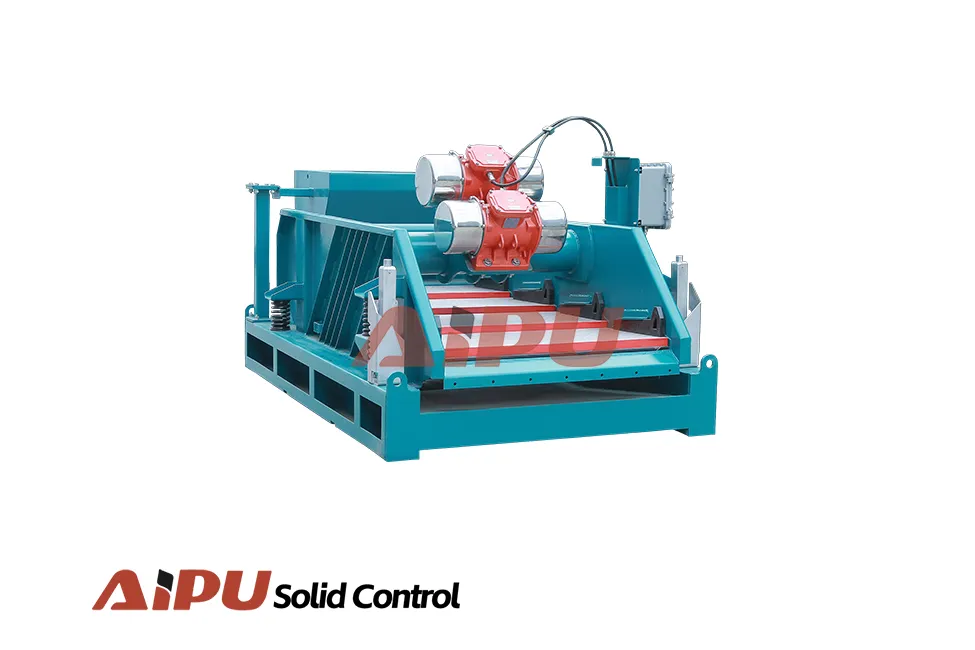
Drilling operations in high-gas environments present unique challenges for solids control systems. When gas invades the drilling fluid, it can significantly reduce the efficiency of traditional shale shakers, leading to poor solids separation, equipment damage, and increased operational costs. Vacuum shale shakers have emerged as a specialized solution to address these challenges, offering improved performance in gas-laden drilling fluids.
Vacuum shale shakers integrate a vacuum system with traditional shale shaker technology, creating a negative pressure environment that enhances solids separation and removes entrained gas from the drilling fluid. This innovative design provides several key benefits for drilling operations in high-gas formations.
The Mechanics of Vacuum Shale Shakers
Vacuum shale shakers operate on the principle of combining mechanical vibration with vacuum suction. The key components of a vacuum shale shaker include:
- A traditional shale shaker with adjustable vibration intensity and deck angle
- A vacuum chamber that encloses the shaker screen area
- A vacuum pump that creates negative pressure within the chamber
- Gas separation and venting systems
- Fluid collection and discharge mechanisms
When drilling fluid enters the vacuum chamber, the combined effect of vibration and vacuum suction accelerates the separation process. The vacuum removes entrained gas bubbles, allowing for more efficient solids removal while preventing screen blinding caused by gas interference.
Key Benefits of Vacuum Shale Shakers
Vacuum shale shakers offer numerous advantages over traditional shale shakers in high-gas drilling environments:
Improved Solids Separation Efficiency
The vacuum effect removes gas bubbles that would otherwise reduce the effectiveness of mechanical separation. This results in cleaner drilling fluid with lower solids content, which reduces the load on downstream solids control equipment and improves overall system performance.
"In high-gas drilling operations, vacuum shale shakers have been shown to improve solids removal efficiency by up to 25% compared to traditional models, significantly extending the life of centrifuges and other downstream equipment."
Gas Removal and Safety
By removing entrained gas from the drilling fluid, vacuum shale shakers reduce the risk of gas kick-related incidents. The separated gas is safely vented away from the drilling floor, improving overall operational safety. This is particularly important in offshore drilling operations where gas accumulation can present significant hazards.
Reduced Fluid Loss
Traditional shale shakers operating in high-gas environments often experience increased fluid loss due to foaming and inefficient separation. Vacuum shale shakers minimize this issue by removing gas before it can cause foaming, resulting in higher fluid recovery rates and lower operational costs.
Prevention of Screen Blinding
Gas bubbles can cause screen blinding by creating a barrier between the drilling fluid and the screen mesh. The vacuum effect breaks up these bubbles, allowing for more effective solids separation and reducing the frequency of screen changes. This improves operational efficiency and reduces maintenance downtime.
Versatility Across Drilling Conditions
While vacuum shale shakers excel in high-gas environments, they are also effective in normal drilling conditions. Many modern models allow operators to adjust the vacuum level or bypass the vacuum system entirely, providing flexibility to adapt to changing drilling conditions.
Applications of Vacuum Shale Shakers
Vacuum shale shakers are particularly well-suited for:
- Offshore drilling operations where gas safety is a critical concern
- Shale gas and tight oil formations with high gas content
- Geothermal drilling where high-temperature fluids may contain dissolved gases
- Underbalanced drilling operations
- Any drilling environment where gas invasion is a persistent issue
Conclusion
Vacuum shale shakers represent a significant advancement in solids control technology for high-gas drilling environments. By combining mechanical vibration with vacuum suction, these systems provide improved solids separation, enhanced gas removal, and reduced operational costs.
As drilling operations continue to explore more challenging formations with higher gas content, the demand for vacuum shale shakers is expected to grow. Manufacturers like AIPU Solid Control are at the forefront of this technology, developing innovative vacuum shale shaker solutions that meet the evolving needs of the drilling industry.
By investing in vacuum shale shaker technology, drilling operators can improve efficiency, enhance safety, and reduce costs in high-gas drilling environments, making it a valuable addition to any modern solids control system.