
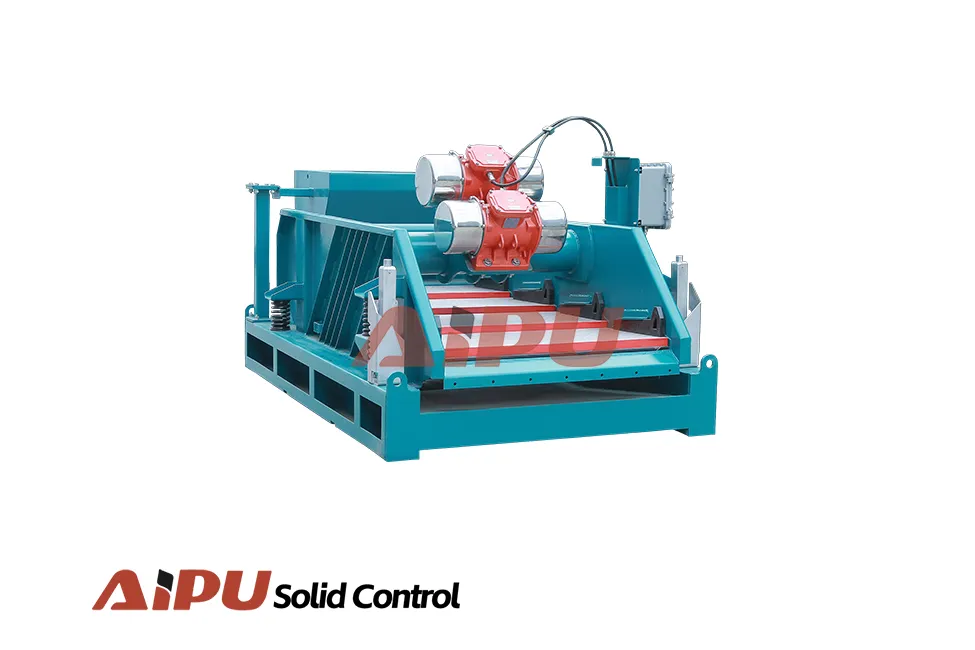
In oil and gas drilling projects, the shale shaker is widely recognized as the most critical component of the solids control system. As the first line of defense in removing drilled cuttings from drilling fluid, the shale shaker plays a pivotal role in ensuring the success and efficiency of drilling operations. This article explores the multifaceted importance of shale shakers in modern oil and gas drilling projects.
1. Protecting Downstream Equipment
One of the primary functions of a shale shaker is to remove large drilled cuttings before the drilling fluid proceeds to downstream equipment such as desanders, desilters, and centrifuges. By effectively removing these large solids, the shale shaker:
- Reduces wear and tear on downstream equipment
- Extends the service life of pumps, valves, and other components
- Minimizes maintenance costs and downtime
- Ensures optimal performance of the entire solids control system
2. Maintaining Drilling Fluid Quality
Properly maintained drilling fluid is essential for successful drilling operations. The shale shaker helps maintain fluid quality by:
- Removing drilled solids that would otherwise contaminate the fluid
- Preserving the fluid's rheological properties
- Reducing the need for expensive fluid treatments
- Minimizing fluid loss to the formation
High-quality drilling fluid improves hole stability, lubricates the drill bit, and helps control formation pressure, all of which contribute to safer and more efficient drilling.
3. Improving Drilling Efficiency
An efficient shale shaker directly impacts drilling efficiency by:
- Allowing for higher penetration rates
- Reducing the frequency of bit changes
- Minimizing tripping time
- Enabling continuous drilling operations
In today's competitive drilling environment, even small improvements in efficiency can translate to significant cost savings and faster project completion.
4. Reducing Environmental Impact
Modern drilling operations face increasing environmental regulations and scrutiny. Shale shakers contribute to environmental protection by:
- Maximizing drilling fluid recovery and reuse
- Reducing the volume of waste requiring disposal
- Minimizing the release of harmful substances into the environment
- Supporting sustainable drilling practices
By efficiently separating solids from drilling fluid, shale shakers help operators comply with environmental regulations and reduce their ecological footprint.
5. Controlling Drilling Costs
The shale shaker plays a crucial role in controlling overall drilling costs by:
- Reducing the need for fresh drilling fluid makeup
- Lowering waste disposal costs
- Minimizing equipment maintenance and repair expenses
- Shortening drilling time and project schedules
- Reducing the risk of costly drilling problems such as stuck pipe or hole collapse
Studies have shown that investing in a high-quality shale shaker can provide a return on investment in as little as one drilling project.
6. Enhancing Safety
Shale shakers contribute to safer drilling operations by:
- Maintaining proper drilling fluid properties that help control well pressure
- Reducing the risk of blowouts and other well control incidents
- Minimizing the need for manual handling of drilling waste
- Improving overall system reliability and reducing unexpected equipment failures
7. Supporting Advanced Drilling Techniques
With the growing adoption of advanced drilling techniques such as horizontal drilling, directional drilling, and extended reach drilling, the importance of shale shakers has increased significantly. These techniques generate larger volumes of drilled cuttings and require more precise control of drilling fluid properties, making the shale shaker an indispensable component.
Case Study: Shale Shaker Impact on Deepwater Drilling
A recent deepwater drilling project in the Gulf of Mexico demonstrated the critical importance of shale shakers. When the original shale shakers struggled to handle the high-volume drilling fluid flow, the operator replaced them with high-performance AIPU shale shakers. The results included:
- 35% reduction in downstream equipment maintenance costs
- 20% increase in drilling fluid recovery
- 15% improvement in penetration rates
- 10% reduction in overall drilling time
Conclusion
The importance of shale shakers in oil and gas drilling projects cannot be overstated. From protecting downstream equipment and maintaining drilling fluid quality to improving efficiency, reducing environmental impact, and controlling costs, the shale shaker is a critical component that directly affects the success of drilling operations.
As drilling projects become more complex and challenging, the role of the shale shaker will continue to evolve. Investing in high-quality shale shakers and optimizing their performance is essential for operators looking to remain competitive in today's demanding drilling environment.
For more information about how AIPU shale shakers can improve the efficiency and profitability of your drilling projects, contact our team of experts today. We offer a comprehensive range of shale shaker solutions tailored to meet the specific needs of your drilling operations, including tandem shale shakers for high-volume applications.