
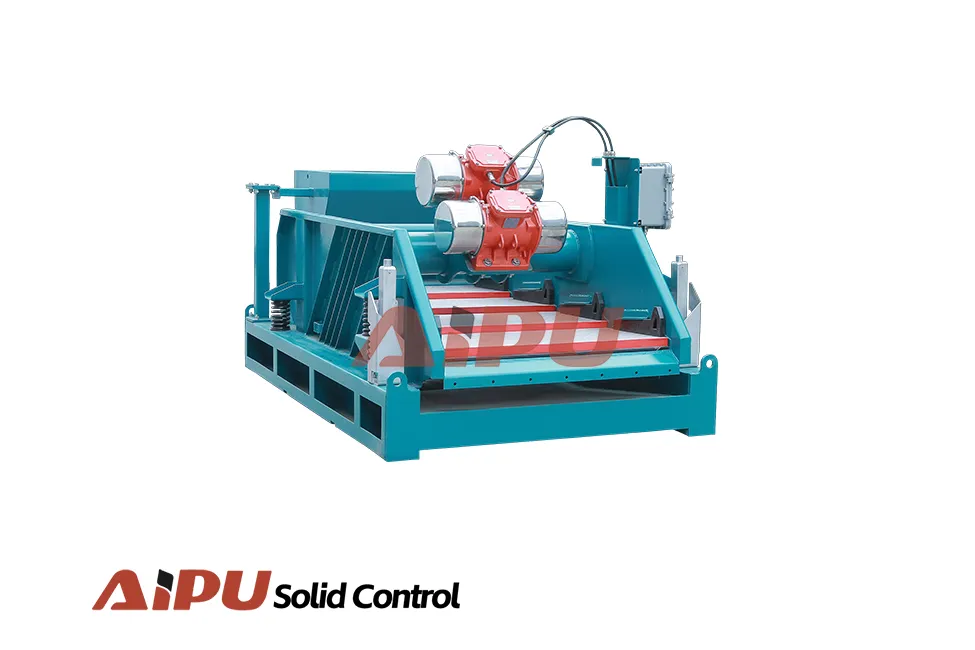
A modern shale shaker system is a sophisticated piece of equipment designed to efficiently separate drilled cuttings from drilling fluid. While the basic principle remains simple鈥攎echanical vibration combined with screen separation鈥攖he components of modern shale shakers have evolved significantly to handle the demanding conditions of today's drilling operations. This article explores the key components of a modern shale shaker system, their functions, and how they contribute to overall performance.
1. Base Frame
The base frame forms the foundation of the shale shaker system, providing structural support for all other components. Modern base frames are typically constructed from heavy-duty steel or aluminum alloy, designed to withstand the high vibrations and loads encountered during operation.
Key features of modern base frames include:
- Robust Construction: Welded steel frames with reinforced joints for maximum durability.
- Vibration Isolation:
- Integrated Mounting Points:
- Corrosion Resistance:
2. Vibration Motor Assembly
The vibration motor assembly is the heart of the shale shaker, generating the mechanical energy required for solids separation. Modern shale shakers typically use either electric or hydraulic motors, depending on the application and power requirements.
Key components of the vibration motor assembly include:
- Vibration Motors: Electric motors with eccentric weights that generate linear, elliptical, or circular vibration patterns.
- Motor Mounts:
- Variable Frequency Drives (VFDs):
- Control System:
3. Screen Deck
The screen deck is the platform that holds the screen panels and transmits vibration from the motors to the screens. It plays a critical role in ensuring uniform vibration distribution and efficient solids transport.
Modern screen decks feature:
- Adjustable Angle: Allows operators to change the deck angle to optimize solids transport based on drilling conditions.
- Lightweight Design:
- Durable Construction:
- Quick Screen Change System:
4. Shaker Screens
Shaker screens are the most critical component for actual solids separation, as they physically separate drilled cuttings from the drilling fluid based on particle size.
Modern shaker screens incorporate advanced technologies:
- Multi-Layer Design: Typically consisting of 2-3 layers, including a protective top layer, a support layer, and a fine mesh bottom layer.
- High-Open Area:
- Self-Cleaning Features:
- Quick-Connect Systems:
- Durable Materials:
5. Feed Box
The feed box distributes the drilling fluid evenly across the width of the screen deck, ensuring that no single area is overloaded. Proper fluid distribution is essential for maximizing screen life and separation efficiency.
Modern feed boxes feature:
- Even Distribution: Baffles and flow dividers to ensure uniform fluid coverage.
- Adjustable Flow Control:
- Durable Liners:
- Integrated Degassing Features:
6. Discharge Chute
The discharge chute collects the separated solids from the screen deck and directs them to the waste handling system. It plays a crucial role in maintaining a clean and safe working environment.
Key features of modern discharge chutes include:
- Optimized Design: Sloped design with smooth surfaces to ensure efficient solids transport.
- Adjustable Height:
- Integrated Spray System:
- Durable Construction:
7. Fluid Collection Tank
The fluid collection tank, also known as the mud pan, collects the drilling fluid that passes through the screens and directs it to downstream solids control equipment.
Modern fluid collection tanks include:
- Large Capacity: Designed to handle high flow rates without overflow.
- Smooth Interior:
- Integrated Manifolds:
- Level Sensors:
8. Control System
The control system manages and monitors the shale shaker's operation, allowing operators to adjust settings and troubleshoot issues in real-time.
Modern control systems feature:
- Touchscreen Interface: Intuitive user interface for easy operation and monitoring.
- Real-Time Monitoring:
- Automated Controls:
- Remote Access:
- Diagnostic Tools:
9. Vibration Isolation System
The vibration isolation system prevents excessive vibration from being transmitted to the rig structure, reducing noise and preventing damage to other equipment.
Key components of vibration isolation systems include:
- Rubber or Composite Springs: Absorb and dampen vibration energy.
- Shock Absorbers:
- Tuned Mass Dampers:
10. Safety Features
Modern shale shakers incorporate a range of safety features to protect operators and equipment:
- Guard Rails: Prevent accidental contact with moving parts.
- Emergency Stop Buttons:
- Lockout/Tagout Systems:
- Noise Reduction Enclosures:
- Fire Suppression Systems:
11. Advanced Monitoring Sensors
Modern shale shakers are equipped with advanced sensors that provide real-time data on various operating parameters:
- Vibration Sensors: Monitor vibration intensity and frequency.
- Screen Condition Sensors:
- Motor Temperature Sensors:
- Flow Rate Sensors:
- Pressure Sensors:
12. Optional Accessories
Modern shale shaker systems can be equipped with a range of optional accessories to enhance performance in specific applications:
- Vacuum Modules: For handling gas-cut drilling fluids.
- Screen Cleaning Systems:
- Automated Screen Change Systems:
- Heated Screens:
- Remote Monitoring Systems:
The Importance of Component Integration
While each component plays a critical role individually, the true performance of a modern shale shaker system depends on how well these components work together. Advanced design and engineering ensure that all components are integrated seamlessly, optimizing performance, reliability, and ease of maintenance.
Maintenance Considerations
Proper maintenance of shale shaker components is essential for ensuring consistent performance and extending equipment life. Key maintenance considerations include:
- Regular Inspection: Scheduled inspections of all components to identify wear or damage.
- Screen Replacement:
- Motor Maintenance:
- Vibration Isolation Check:
- Control System Calibration:
Advancements in Component Technology
The components of shale shakers continue to evolve, driven by the demands of deeper wells, harsher drilling conditions, and stricter environmental regulations. Some of the latest advancements include:
- Lightweight Materials: Aluminum and composite materials reduce overall weight without compromising strength.
- Smart Sensors:
- Advanced Screen Technologies:
- Energy-Efficient Motors:
Conclusion
The key components of a modern shale shaker system work together to deliver efficient solids separation, reliable performance, and ease of maintenance. From the robust base frame to the advanced control system, each component plays a critical role in ensuring that the shale shaker can handle the demanding conditions of today's drilling operations.
By understanding the function and importance of each component, drilling operators can make informed decisions about equipment selection, maintenance, and operation, ultimately optimizing the performance of their solids control systems and reducing overall drilling costs.
As drilling technology continues to evolve, we can expect further advancements in shale shaker components, including more intelligent systems, lighter materials, and even more efficient separation technologies. These innovations will help drilling operators meet the challenges of future drilling operations while maintaining high levels of efficiency and environmental compliance.