
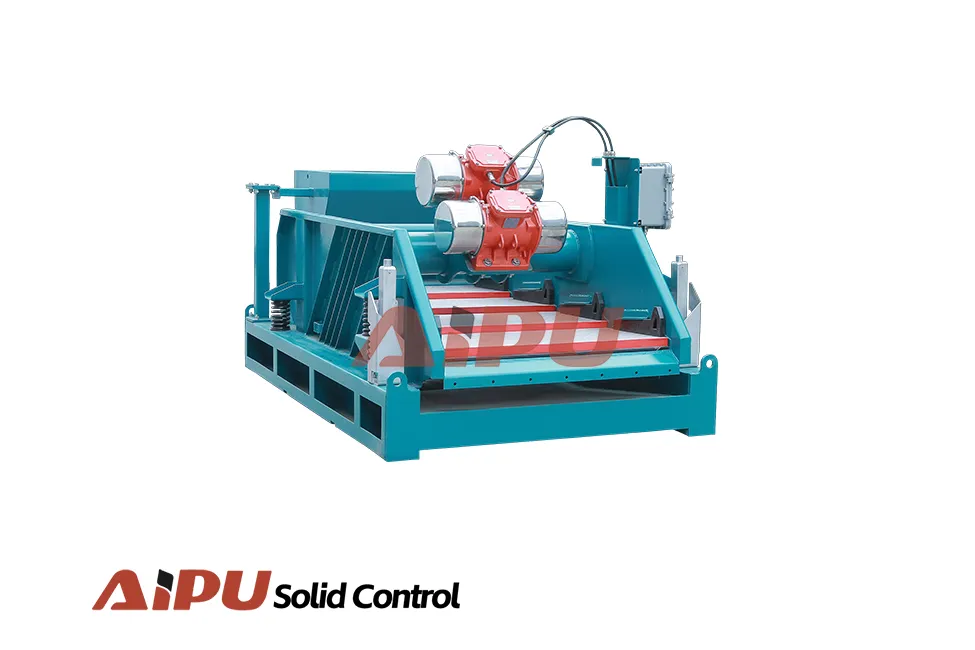
Shale shakers are versatile pieces of equipment with wide-ranging applications in oilfield drilling operations. Their primary function is to separate drilled cuttings from drilling fluid, but their utility extends far beyond this basic task. This article explores the diverse applications of shale shakers in various oilfield drilling scenarios, highlighting their importance in different environments and operational contexts.
Onshore Drilling Operations
In onshore drilling operations, shale shakers form the foundation of solids control systems. They are deployed in a variety of onshore environments, including:
- Conventional Land Rigs: Standard onshore drilling operations rely on shale shakers to handle the initial separation of solids from drilling fluid.
- Horizontal Directional Drilling (HDD): As discussed in our previous article, shale shakers play a critical role in HDD operations, where space constraints and fluid management are key considerations.
- Coalbed Methane Drilling: Shale shakers adapted for handling the unique characteristics of coalbed methane drilling fluids, including high solids content and specialized fluid additives.
- Geothermal Drilling: Shale shakers designed to withstand the high temperatures and corrosive nature of geothermal drilling fluids.
Offshore Drilling Applications
Offshore drilling presents unique challenges for shale shakers, including limited deck space, harsh weather conditions, and the need for efficient waste management. Shale shaker applications in offshore environments include:
- Jack-up Rigs: Compact shale shaker designs that maximize limited deck space while maintaining high separation efficiency.
- Semi-submersible Rigs: Shale shakers with enhanced vibration isolation to withstand the motion of the rig in rough seas.
- Drillships: High-capacity shale shakers capable of handling the large volumes of drilling fluid used in deepwater drilling operations.
- Fixed Platforms: Reliable shale shaker systems designed for long-term deployment in offshore environments.
Different Drilling Fluid Systems
Shale shakers are adaptable to various drilling fluid systems, each with its own unique characteristics:
Water-Based Mud (WBM)
Shale shakers for water-based mud systems are designed to handle high flow rates and effectively separate solids while minimizing fluid loss. They typically feature screens with smaller mesh sizes to remove finer particles.
Oil-Based Mud (OBM)
Shale shakers used with oil-based muds require specialized screens and vibration settings to handle the higher viscosity of these fluids. They also incorporate features to reduce oil losses during separation.
Synthetic-Based Mud (SBM)
Synthetic-based muds combine characteristics of both water-based and oil-based systems. Shale shakers for these systems are designed to balance separation efficiency with fluid conservation.
Specialized Applications
Beyond standard drilling operations, shale shakers find applications in specialized drilling scenarios:
High-Pressure High-Temperature (HPHT) Drilling
HPHT drilling presents extreme conditions that demand robust shale shaker systems. These shakers feature enhanced materials and designs to withstand high temperatures, pressures, and corrosive environments.
Underbalanced Drilling (UBD)
Underbalanced drilling operations require shale shakers capable of handling gas-cut drilling fluids. Specialized designs incorporate features to separate gas from the fluid before it reaches the screen surface.
Managed Pressure Drilling (MPD)
MPD operations rely on precise control of wellbore pressure, making efficient solids control critical. Shale shakers in MPD systems are integrated with real-time monitoring to ensure optimal performance.
Integration with Solids Control Systems
Shale shakers are always the first stage in a comprehensive solids control system, which typically includes:
- Desanders
- Desilters
- Centrifuges
- Degassers
The efficiency of the shale shaker directly impacts the performance of downstream equipment, highlighting their importance in the overall system design.
Environmental Compliance Applications
Modern shale shakers play a crucial role in environmental compliance, particularly in regions with strict regulations on drilling waste disposal. Their applications in this context include:
- Reduced Waste Generation: Efficient solids separation reduces the volume of drilling waste that requires disposal.
- Fluid Recovery: Maximizing fluid recovery minimizes the need for fresh fluid makeup, reducing environmental impact.
- Waste Conditioning: Producing drier cuttings that are easier to handle and dispose of in an environmentally responsible manner.
- Containment Systems: Integrated containment systems that prevent spills and ensure proper handling of separated fluids.
Mobile Drilling Applications
Shale shakers are also essential components of mobile drilling rigs, including:
- Workover Rigs: Compact shale shaker designs for workover and well intervention operations.
- Mobile Drilling Units: Shale shakers mounted on trailers for rapid deployment to remote locations.
- Exploration Rigs: Lightweight shale shakers for exploratory drilling operations in remote areas.
Advanced Shale Shaker Technologies
Recent advancements in shale shaker technology have expanded their applications even further:
- Variable Frequency Drives: Allow for adjustment of vibration intensity based on drilling conditions, making shale shakers adaptable to a wider range of applications.
- Automated Screen Change Systems: Reduce downtime during screen replacement, improving overall operational efficiency.
- Self-Cleaning Screens: Prevent screen blinding, extending screen life and maintaining consistent performance in challenging conditions.
- Real-Time Monitoring: Provide operators with instant feedback on shaker performance, enabling proactive adjustments to optimize efficiency.
Conclusion
Shale shakers are versatile and essential components of oilfield drilling operations, with applications spanning a wide range of environments, drilling fluid systems, and operational scenarios. Their ability to efficiently separate drilled cuttings from drilling fluid makes them critical for maintaining drilling efficiency, reducing costs, and ensuring environmental compliance.
As drilling operations continue to evolve and face new challenges, shale shaker technology will advance to meet these demands. By understanding the diverse applications of shale shakers, drilling operators can select the right equipment for their specific needs, optimizing performance and maximizing return on investment.
Whether in onshore or offshore environments, standard or specialized drilling operations, shale shakers remain a cornerstone of effective solids control, playing a vital role in the success of modern drilling projects.