
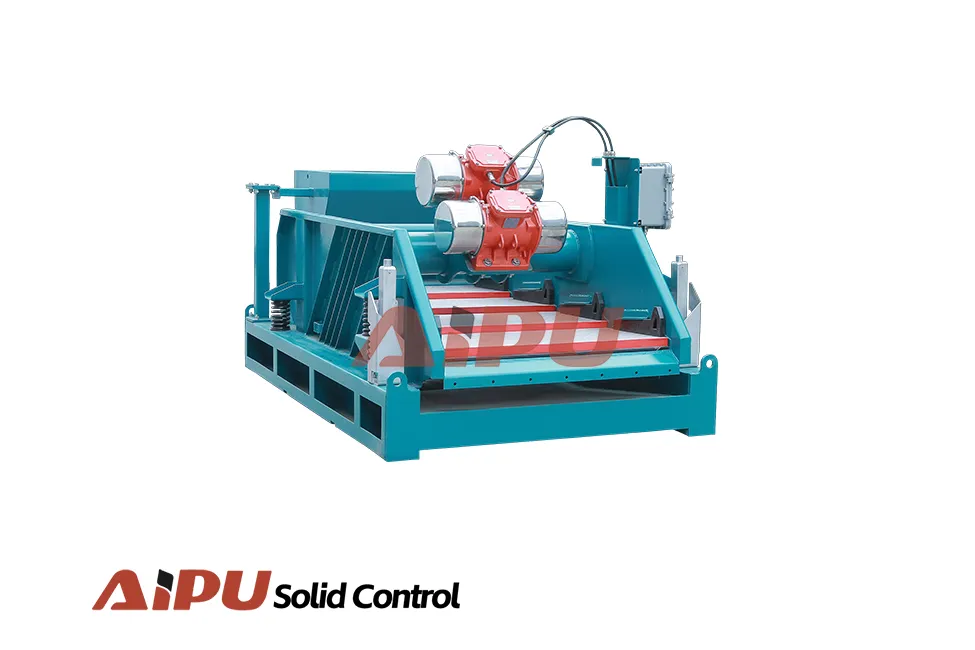
Shale shakers are the primary solid-liquid separation equipment in drilling operations, responsible for removing drilled cuttings from drilling fluid. The efficiency of this separation process directly impacts the performance of the entire solids control system, drilling fluid quality, and overall drilling costs. Understanding the factors that influence shale shaker efficiency is essential for optimizing drilling operations.
What is Shale Shaker Efficiency?
Shale shaker efficiency refers to the percentage of solids removed from drilling fluid by the shaker. It is typically measured as the ratio of solids removed by the shaker to the total solids entering the shaker. High efficiency means more solids are removed early in the process, reducing the load on downstream equipment and preserving drilling fluid properties.
Factors Influencing Shale Shaker Efficiency
1. Screen Selection
The screen is the most critical component affecting separation efficiency. Key screen characteristics include:
- Mesh Size: Determines the size of solids removed. Smaller mesh sizes remove more solids but can reduce throughput.
- Screen Quality: High-quality screens with uniform openings and durable construction provide consistent performance.
- Screen Design: Composite and multilayer screens offer better performance than traditional single-layer screens.
- Screen Area: Larger screen area increases throughput capacity and allows for higher efficiency.
2. Vibration Parameters
The vibration characteristics of the shaker deck significantly impact separation efficiency:
- Frequency: Higher frequencies improve separation of finer solids.
- Amplitude: Greater amplitude helps prevent screen blinding and improves conveyance of solids.
- G-Force: Higher G-force enhances the separation process by providing more energy to separate solids from fluid.
- Vibration Type: Linear, elliptical, or circular motion patterns affect how solids move across the screen and how fluid passes through.
3. Deck Angle
The angle of the shaker deck affects both throughput and efficiency:
- Steeper angles increase solids conveyance speed but may reduce separation efficiency.
- Flatter angles improve separation efficiency but can cause solids to build up on the screen.
- Adjustable deck angles allow operators to optimize performance based on drilling conditions.
4. Fluid Properties
Drilling fluid characteristics influence separation efficiency:
- Viscosity: Higher viscosity fluids require more energy to separate solids.
- Density: Denser fluids can improve separation by providing more buoyancy to solids.
- Chemical Additives: Certain additives can affect fluid flow through the screen.
- Temperature: Temperature affects fluid viscosity and can impact separation efficiency.
5. Feed Rate and Distribution
Proper fluid distribution across the screen is essential for optimal efficiency:
- Uniform Feed: Even distribution of fluid across the screen maximizes utilization of the screen area.
- Optimal Flow Rate: Operating within the manufacturer's recommended flow rate range ensures efficient separation.
- Feed Box Design: Well-designed feed boxes prevent fluid bypass and ensure uniform distribution.
6. Maintenance Practices
Regular maintenance is crucial for maintaining high efficiency:
- Screen Inspection: Regularly inspect screens for damage, wear, and blinding.
- Cleaning: Properly clean screens to remove built-up solids.
- Component Maintenance: Maintain vibration motors, bearings, and other components according to manufacturer specifications.
- Alignment: Ensure proper alignment of screens and vibration components.
Measuring Shale Shaker Efficiency
Several methods can be used to measure shale shaker efficiency:
- Solids Balance: Compare the solids content of fluid entering and exiting the shaker.
- Cuttings Analysis: Analyze the size distribution of cuttings removed by the shaker.
- Visual Inspection: Observe fluid clarity and solids conveyance.
- Pressure Differential: Monitor pressure across the screen to detect blinding.
Strategies for Improving Efficiency
1. Optimize Screen Selection
Choose the appropriate screen mesh size and type based on drilling conditions, fluid properties, and desired separation efficiency. Consider using composite screens for better performance in challenging conditions.
2. Adjust Vibration Parameters
Fine-tune vibration frequency, amplitude, and G-force to match drilling conditions and fluid properties. Higher G-forces are typically better for separating finer solids, while lower G-forces may be more appropriate for larger cuttings.
3. Optimize Deck Angle
Adjust the deck angle based on fluid viscosity, solids characteristics, and desired throughput. Steeper angles work well for high-viscosity fluids, while flatter angles are better for maximizing separation efficiency.
4. Ensure Proper Feed Distribution
Use a well-designed feed box to ensure uniform fluid distribution across the screen. Avoid overfeeding the shaker, which can reduce efficiency and cause fluid bypass.
5. Implement a Preventive Maintenance Program
Establish a regular maintenance schedule to inspect and replace screens, maintain vibration components, and ensure proper alignment. This will help maintain consistent efficiency over time.
Case Study: Improving Efficiency in Horizontal Drilling
A drilling operator in the Permian Basin was experiencing low shale shaker efficiency in horizontal drilling operations, resulting in high downstream equipment loads and increased fluid costs. By implementing the following changes, they achieved a 25% improvement in shaker efficiency:
- Upgraded to high-efficiency composite screens
- Increased G-force from 5G to 7G
- Optimized deck angle based on fluid properties
- Improved feed distribution with a redesigned feed box
- Implemented a weekly screen inspection and replacement program
Conclusion
Shale shaker efficiency in solid-liquid separation is influenced by multiple factors, including screen selection, vibration parameters, deck angle, fluid properties, feed distribution, and maintenance practices. By understanding these factors and implementing optimization strategies, operators can significantly improve separation efficiency, reduce downstream equipment loads, preserve drilling fluid properties, and lower overall drilling costs.
Investing in high-quality shale shakers with advanced features such as adjustable vibration parameters, composite screens, and optimized feed systems can provide significant returns through improved efficiency and reduced operational costs. Regular maintenance and proper operation are also essential for maintaining high efficiency over the life of the equipment.
For more information about optimizing shale shaker efficiency in your drilling operations, contact AIPU Solids Control. Our team of experts can help you select the right equipment, optimize operating parameters, and develop a maintenance program tailored to your specific needs, including our high-performance linear motion shale shakers designed for maximum separation efficiency.