
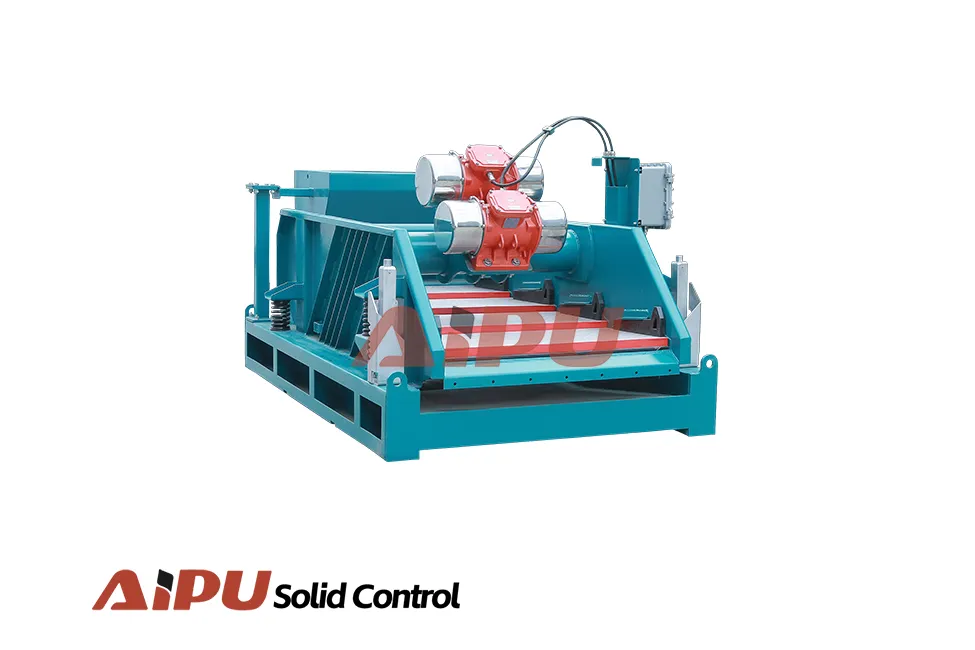
Proper operation and daily maintenance are essential for ensuring optimal performance, reliability, and extended service life of shale shakers. This comprehensive guide provides best practices for operating shale shakers and performing routine maintenance tasks to keep your equipment running at peak efficiency.
Pre-Operation Checks
Before starting the shale shaker, perform these essential pre-operation checks:
- Visual Inspection: Check for any visible damage, loose bolts, or leaks.
- Screen Condition: Inspect screens for tears, holes, or excessive wear. Replace damaged screens immediately.
- Vibration Motors: Check motor mounts for tightness and inspect electrical connections for damage.
- Lubrication: Verify that all lubrication points have been properly greased according to the manufacturer's specifications.
- Flow System: Ensure that the feed manifold and discharge chute are clear of debris.
- Emergency Stops: Test emergency stop buttons to ensure they function correctly.
Proper Shale Shaker Operation
1. Start-Up Procedure
- Ensure all personnel are clear of moving parts.
- Start the vibration motors and allow the shaker to run for 30 seconds to stabilize.
- Gradually introduce drilling fluid to the shaker, starting at a low flow rate and increasing to the operating rate.
- Monitor the shaker's performance, including screen coverage, solids removal efficiency, and vibration amplitude.
2. Operating Parameters
Maintain these optimal operating parameters for maximum efficiency:
- Screen Coverage: Aim for 70-80% screen coverage to prevent fluid bypass.
- Flow Rate: Operate within the manufacturer's recommended flow rate range.
- Vibration Amplitude: Adjust according to drilling fluid properties and solids load.
- Deck Angle: Set the proper deck angle based on fluid viscosity and solids characteristics.
3. Monitoring During Operation
Continuously monitor the shale shaker during operation for:
- Unusual vibrations or noises
- Excessive fluid carryover
- Screen blinding or plugging
- Motor overheating
- Leaks or spills
4. Shutdown Procedure
- Gradually reduce the flow rate of drilling fluid to the shaker.
- Allow the shaker to run until all fluid has been processed.
- Stop the vibration motors.
- Clean the screens and deck to remove any remaining solids.
- Perform a quick post-operation inspection.
Daily Maintenance Tasks
Perform these maintenance tasks daily to ensure reliable operation:
1. Screen Maintenance
- Inspect screens for damage or wear after each use.
- Clean screens thoroughly to remove any built-up solids.
- Replace screens when they show signs of excessive wear or damage.
- Store spare screens in a clean, dry environment to prevent damage.
2. Vibration Motor Maintenance
- Check motor mounts for tightness daily.
- Inspect electrical connections for signs of overheating or damage.
- Monitor motor temperature during operation.
- Lubricate motors according to the manufacturer's recommended schedule.
3. Structural Maintenance
- Check all bolts and fasteners for tightness.
- Inspect welds for signs of cracking or damage.
- Clean the shaker deck and frame to remove drilling fluid residue.
- Check for corrosion and apply protective coating as needed.
4. Flow System Maintenance
- Clean the feed manifold and discharge chute regularly.
- Check gaskets and seals for leaks and replace as needed.
- Inspect valves and controls for proper operation.
Weekly and Monthly Maintenance
Weekly Tasks
- Perform a comprehensive inspection of all components.
- Lubricate all moving parts according to the manufacturer's specifications.
- Check and tighten all electrical connections.
- Inspect vibration isolation mounts for wear or damage.
Monthly Tasks
- Test vibration amplitude and frequency using appropriate measuring tools.
- Inspect and clean motor cooling systems.
- Check alignment of vibration motors.
- Perform a detailed inspection of the screen retention system.
Common Issues and Troubleshooting
| Issue | Possible Causes | Solutions |
|---|---|---|
| Excessive fluid carryover | Screen blinding, incorrect screen mesh, low vibration amplitude | Clean or replace screens, adjust mesh size, increase vibration amplitude |
| Unusual vibrations | Imbalanced motors, loose mounts, damaged components | Check motor balance, tighten mounts, inspect and replace damaged parts |
| Motor overheating | Overload, poor ventilation, electrical issues | Reduce load, clean cooling system, check electrical connections |
| Screen damage | Excessive feed rate, improper installation, low-quality screens | Reduce feed rate, follow proper installation procedures, use high-quality screens |
Maintenance Record Keeping
Maintain detailed maintenance records to track the performance and service history of your shale shaker. Include:
- Date and time of maintenance activities
- Type of maintenance performed
- Replaced components
- Operating parameters before and after maintenance
- Any issues identified and resolved
Conclusion
Proper operation and regular maintenance are critical for maximizing the performance, reliability, and service life of shale shakers. By following the guidelines outlined in this guide, operators can ensure that their shale shakers operate at peak efficiency, minimize downtime, and reduce overall operating costs.
Remember to always refer to the manufacturer's specific operating and maintenance instructions for your particular shale shaker model. For additional support or training, contact AIPU Solids Control, your trusted partner for shale shaker solutions and expertise.
For more information about our shale shaker maintenance services or to learn about our high-quality replacement parts, visit our contact page to get in touch with our technical support team.