
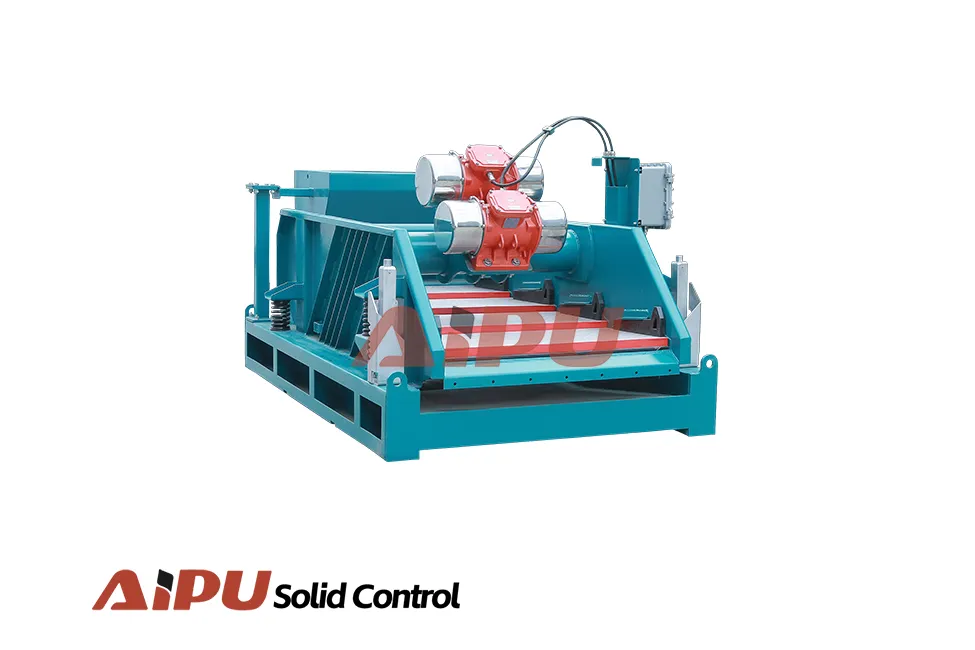
Shale shakers are the backbone of any solids control system, and their performance directly impacts the efficiency of drilling operations. Understanding the key factors that influence shale shaker performance is essential for optimizing solids separation, reducing operational costs, and ensuring efficient drilling fluid management. This article explores the critical factors that affect shale shaker performance in solids control systems, providing insights into how each factor contributes to overall efficiency.
1. Screen Selection
The selection of the appropriate screen is perhaps the most critical factor in determining shale shaker performance. Several screen characteristics influence performance:
Screen Mesh Size
The mesh size of the screen determines the particle size that will be retained. Key considerations include:
- Finer mesh sizes remove smaller particles but may reduce fluid throughput
- Coarser mesh sizes allow higher throughput but may allow smaller particles to pass through
- The optimal mesh size depends on the drilling fluid properties and the desired solids removal efficiency
Open Area
The open area of a screen refers to the percentage of the screen surface that is open for fluid flow. Higher open area typically results in:
- Increased fluid throughput
- Improved solids separation efficiency
- Reduced screen blinding
- Shorter screen life due to reduced structural support
Screen Design and Construction
Modern shaker screens are typically multi-layered, with each layer serving a specific purpose:
- Top Layer: Protective layer that resists wear and damage
- Support Layer: Provides structural support and determines the screen's mechanical strength
- Bottom Layer: Fine mesh layer that performs the actual solids separation
2. Vibration Parameters
The vibration characteristics of the shale shaker play a significant role in its performance. Key vibration parameters include:
Vibration Intensity (G-Force)
Vibration intensity, measured in G-force, determines how effectively solids are transported across the screen. Higher G-forces typically result in:
- Faster solids transport
- Reduced screen blinding
- Improved solids separation
- Increased wear on screen panels and shaker components
Vibration Frequency
Vibration frequency, measured in Hz, affects both solids transport and fluid separation:
- Higher frequencies improve separation of fine particles
- Lower frequencies provide better transport of coarse solids
- The optimal frequency depends on the type of drilling fluid and the characteristics of the drilled cuttings
Vibration Pattern
Shale shakers use different vibration patterns, each with its own advantages:
- Linear Motion: Provides good balance between solids transport and fluid separation, suitable for most drilling applications
- Elliptical Motion: Effective for handling sticky or high-viscosity fluids, prevents screen blinding
- Circular Motion: Useful for gas-cut fluids, helps disperse gas bubbles
3. Deck Angle
The angle of the shale shaker deck significantly impacts performance:
- Steeper angles (1-5 degrees) improve solids transport but may reduce fluid separation efficiency
- Flatter angles (0-2 degrees) enhance fluid separation but may cause solids to build up on the screen
- Many modern shale shakers feature adjustable deck angles to optimize performance for different drilling conditions
4. Fluid Properties
The characteristics of the drilling fluid itself influence shale shaker performance:
Viscosity
Higher viscosity fluids are more difficult to separate, requiring:
- Higher vibration intensity
- Coarser screen mesh sizes
- Optimized deck angles
Density
Denser fluids provide better cuttings transport but may require higher G-forces to effectively separate solids.
Fluid Type
Different fluid types (water-based, oil-based, synthetic-based) have varying effects on shale shaker performance, requiring different screen selections and vibration settings.
5. Flow Rate
The flow rate of drilling fluid entering the shale shaker directly impacts its performance:
- Flow rates that exceed the shaker's capacity can cause fluid to overflow
- Insufficient flow rates may result in inefficient solids transport
- Properly matching the shaker's capacity to the expected flow rate is essential
6. Cuttings Characteristics
The properties of the drilled cuttings influence how effectively they can be separated:
Particle Size Distribution
- Wide particle size distributions may require specialized screen configurations
- Very fine particles can cause screen blinding if not properly managed
Cuttings Shape and Hardness
- Angular, abrasive cuttings may cause faster screen wear
- Soft, sticky cuttings are more prone to screen blinding
Cuttings Concentration
- High cuttings concentrations can overwhelm the shaker, reducing separation efficiency
- Proper fluid management upstream can help control cuttings concentration
7. Shaker Design and Construction
The overall design and construction of the shale shaker influence its performance:
Mechanical Design
- Robust construction ensures consistent vibration transmission
- Proper balance reduces vibration transfer to the rig structure
- High-quality components improve reliability and reduce downtime
Feed Box Design
- Even fluid distribution across the screen width ensures optimal use of the screen surface
- Proper feed box design prevents fluid splash and minimizes turbulence
Discharge Chute Design
- Efficient discharge chutes ensure proper removal of separated solids
- Prevent solids buildup that could compromise shaker performance
8. Maintenance Practices
Regular maintenance is essential for maintaining consistent shale shaker performance:
Screen Maintenance
- Regular inspection for damage or blinding
- Prompt replacement of worn or damaged screens
- Proper cleaning between uses
Motor and Vibration System Maintenance
- Regular lubrication of moving parts
- Inspection of motor mounts and vibration dampeners
- Calibration of vibration sensors and controls
General Cleaning and Inspection
- Regular cleaning of the shaker deck and discharge chute
- Inspection for loose or damaged components
- Verification of deck angle adjustment mechanisms
9. Operator Training and Experience
Well-trained operators can significantly improve shale shaker performance by:
- Adjusting screen mesh size based on changing drilling conditions
- Optimizing vibration settings for different fluid properties
- Monitoring and responding to changes in flow rate or cuttings characteristics
- Performing timely maintenance and screen changes
10. Advanced Monitoring and Control Systems
Modern shale shakers equipped with advanced monitoring systems can optimize performance by:
- Providing real-time data on vibration intensity, screen condition, and flow rates
- Automatically adjusting vibration settings based on measured parameters
- Alerting operators to potential issues before they affect performance
- Collecting historical data for performance analysis and optimization
11. Integration with Downstream Equipment
The performance of the shale shaker affects and is affected by downstream solids control equipment:
- Effective shale shaker performance reduces the load on downstream equipment (desanders, desilters, centrifuges)
- The capacity and efficiency of downstream equipment should be matched to the shale shaker's performance
- Proper system design ensures seamless integration between components
12. Environmental and Regulatory Factors
Environmental regulations may require specific solids removal efficiencies, which can influence shale shaker operation:
- Stricter regulations may require finer screen mesh sizes
- Emission controls may affect the handling of gas-cut fluids
- Waste disposal regulations may influence the desired solids removal efficiency
Optimizing Shale Shaker Performance
To optimize shale shaker performance, operators should consider a holistic approach that addresses all these factors:
- Conduct a thorough analysis of drilling fluid properties and expected cuttings characteristics
- Select the appropriate screen based on mesh size, open area, and construction
- Optimize vibration parameters (G-force, frequency, pattern) for the specific application
- Adjust deck angle based on fluid properties and flow rate
- Implement a regular maintenance program
- Train operators to monitor and adjust shaker settings in real-time
- Utilize advanced monitoring systems for data-driven optimization
Conclusion
Shale shaker performance in solids control systems is influenced by a complex interplay of factors, ranging from screen selection and vibration parameters to fluid properties and operator expertise. By understanding these factors and their interactions, drilling operators can optimize shale shaker performance, leading to improved solids separation efficiency, reduced operational costs, and enhanced drilling fluid management.
Investing in high-quality equipment, implementing proper maintenance practices, and providing comprehensive operator training are essential steps toward maximizing shale shaker performance. Additionally, leveraging advanced monitoring and control systems can provide real-time insights and automation capabilities, further enhancing efficiency and reducing the potential for human error.
As drilling operations continue to evolve with deeper wells, more challenging formations, and stricter environmental regulations, the importance of optimizing shale shaker performance will only increase. By focusing on the key factors discussed in this article, operators can ensure their solids control systems remain efficient, cost-effective, and compliant with regulatory requirements.