
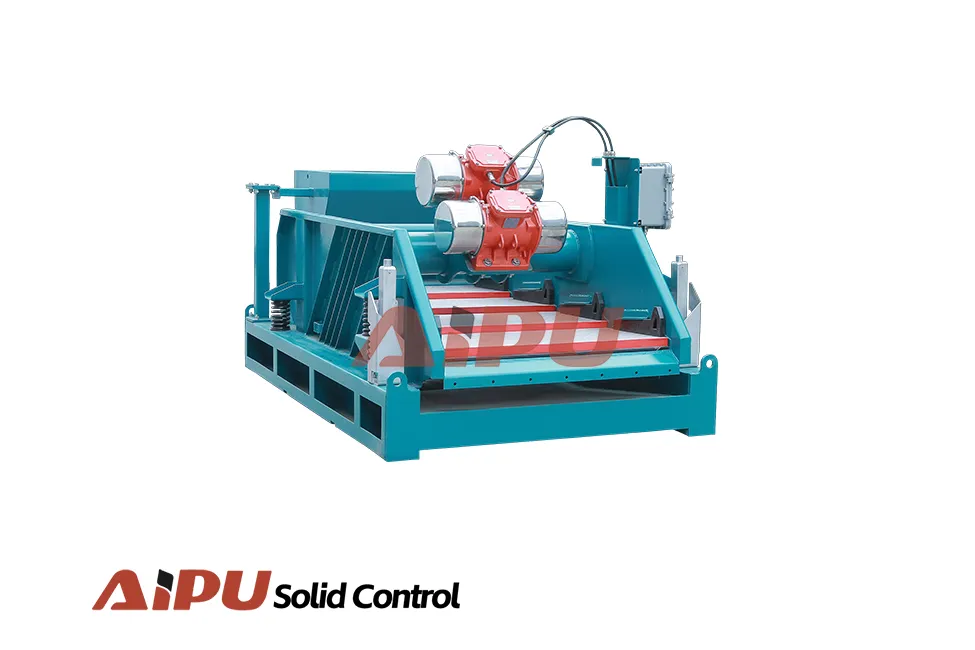
Selecting the right shale shaker is a critical decision for drilling contractors. The performance, reliability, and efficiency of this equipment directly impact drilling operations, costs, and overall project success. With numerous options available in the market, contractors must carefully evaluate several key factors to make an informed choice that meets their specific needs.
1. Performance Requirements
The first step in selecting a shale shaker is defining performance requirements based on the drilling environment and application:
- Flow Rate Capacity: Determine the maximum expected flow rate to ensure the shaker can handle the anticipated fluid volume without bypass.
- Solids Removal Efficiency: Consider the required separation efficiency based on formation characteristics and drilling fluid properties.
- Screen Area: Larger screen area provides higher throughput capacity and better separation efficiency.
- G-Force Capability: Higher G-forces improve separation of finer solids but may require more robust construction.
2. Drilling Environment and Application
The drilling environment significantly influences shale shaker selection:
- Land vs. Offshore: Offshore applications may require compact designs and corrosion-resistant materials.
- Climate Conditions: Extreme temperatures, humidity, or dust levels may necessitate specialized components.
- Formation Type: Different formations produce varying cuttings sizes and quantities, requiring different screen configurations.
- Drilling Method: Horizontal, directional, or deepwater drilling may have unique requirements.
3. Equipment Design and Construction
The design and construction of the shale shaker impact its durability, reliability, and maintenance requirements:
- Structural Integrity: Heavy-duty frames with reinforced welds provide better durability in harsh conditions.
- Vibration System: Linear, elliptical, or circular motion systems each have advantages for specific applications.
- Screen Retention System: Quick-change screen systems reduce downtime during screen replacement.
- Corrosion Resistance: Stainless steel, aluminum, or coated components extend equipment life in corrosive environments.
- Accessibility: Easy access to components simplifies maintenance and reduces downtime.
4. Maintenance and Serviceability
Consider the maintenance requirements and availability of service support:
- Easy Maintenance: Simple design with accessible components reduces maintenance time and costs.
- Availability of Spare Parts: Ensure critical spare parts are readily available locally or through the manufacturer.
- Service Support: Evaluate the manufacturer's service network and technical support capabilities.
- Maintenance Training: Consider if the manufacturer provides training for your maintenance personnel.
5. Cost Considerations
While upfront cost is important, consider the total cost of ownership over the equipment's lifecycle:
- Initial Purchase Price: Compare prices of different models with similar specifications.
- Operating Costs: Consider energy consumption, maintenance requirements, and screen replacement costs.
- Downtime Costs: Reliable equipment with minimal downtime can save significant costs over time.
- Resale Value: High-quality equipment from reputable manufacturers retains better resale value.
- Warranty Coverage: Comprehensive warranty coverage can reduce unexpected repair costs.
6. Manufacturer Reputation and Support
The manufacturer's reputation and support capabilities are crucial considerations:
- Industry Experience: Choose manufacturers with extensive experience in the drilling industry.
- Customer References: Request and contact customer references to verify equipment performance and support.
- Technical Expertise: Look for manufacturers with strong engineering and technical support teams.
- Customization Capabilities: Consider if the manufacturer can customize equipment to meet unique requirements.
- Global Support Network: For international operations, ensure the manufacturer has a global support network.
7. Compliance and Standards
Ensure the equipment meets relevant industry standards and regulatory requirements:
- Safety Standards: Compliance with API, ISO, or other safety standards is essential.
- Environmental Regulations: Equipment should support environmental compliance goals.
- Certifications: Look for relevant certifications that verify quality and performance.
8. Future Expansion and Flexibility
Consider future operational needs and the equipment's flexibility:
- Scalability: Can the system be expanded or modified for future projects?
- Compatibility: Ensure the shale shaker is compatible with other solids control equipment.
- Adaptability: Can the equipment be reconfigured for different drilling applications?
Case Study: Successful Shale Shaker Selection
A drilling contractor in the Middle East was experiencing frequent downtime and high maintenance costs with their existing shale shakers. By evaluating their needs against the above considerations, they selected AIPU's linear motion shale shakers with the following outcomes:
- 40% reduction in maintenance costs
- 95% reduction in unscheduled downtime
- 25% improvement in solids removal efficiency
- 15% reduction in drilling fluid consumption
- Successful completion of multiple challenging projects with zero equipment failures
Best Practices for Selection
To ensure a successful shale shaker selection process, follow these best practices:
- Conduct a thorough analysis of your specific needs and requirements
- Request detailed specifications and performance data from manufacturers
- Arrange for equipment demonstrations or field trials when possible
- Involve maintenance personnel in the selection process
- Consider total cost of ownership rather than just upfront price
- Establish clear performance expectations with the manufacturer
- Negotiate comprehensive service and support agreements
Conclusion
Selecting the right shale shaker is a complex decision that requires careful consideration of multiple factors. By evaluating performance requirements, drilling environment, equipment design, maintenance needs, costs, manufacturer support, compliance, and future flexibility, drilling contractors can make an informed choice that optimizes operational efficiency, reduces costs, and improves project outcomes.
Working with an experienced manufacturer like AIPU Solids Control can simplify the selection process. Our team of experts can help assess your specific needs and recommend the most suitable shale shaker solutions for your operations, including our versatile dual motion shale shakers designed for a wide range of applications.
For personalized assistance with shale shaker selection, contact AIPU Solids Control today. We offer comprehensive support from initial consultation through installation, training, and ongoing service to ensure your equipment delivers optimal performance throughout its lifecycle.