
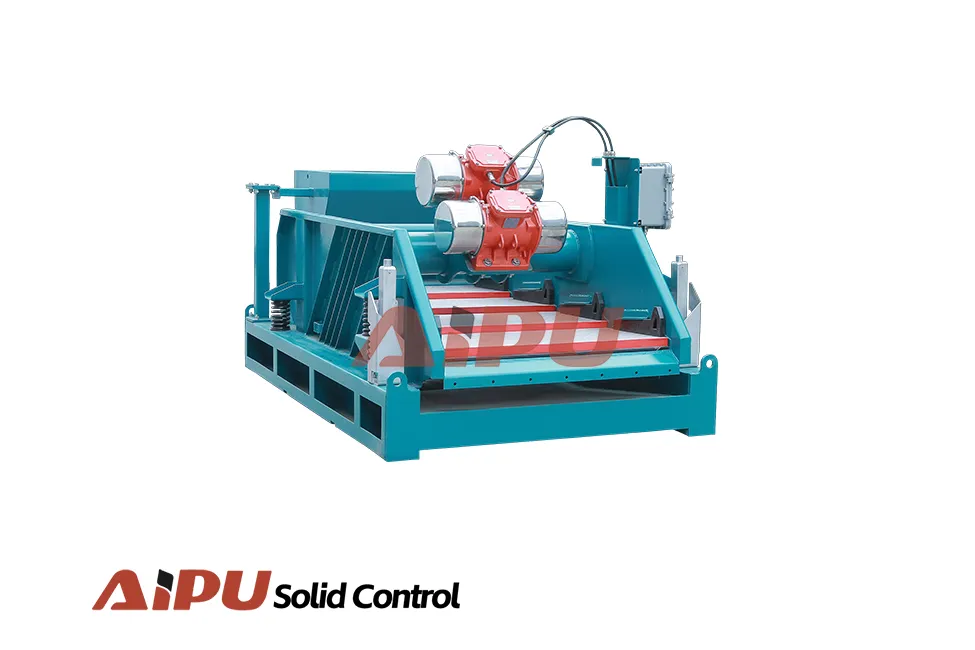
Shale shakers are the cornerstone of any drilling solids control system, responsible for the initial separation of drilled cuttings from drilling fluid. Understanding their working principle is essential for optimizing drilling operations, reducing costs, and ensuring efficient fluid management. This article delves into the fundamental working principle of shale shakers, their components, and how they contribute to effective solids control.
The Basic Working Principle
At its core, a shale shaker operates on the principle of mechanical vibration combined with screen separation. When drilling fluid containing drilled cuttings returns to the surface, it is directed onto the shale shaker screen. The vibration of the screen deck causes the fluid to flow across the screen surface, while the screen mesh retains the solid particles.
The key components that enable this process include:
- Vibration Motor: Generates the mechanical vibration that drives the separation process
- Screen Deck: Holds the screen panels and transmits vibration
- Screen Mesh: Perforated or woven material that separates solids based on particle size
- Feed Box: Distributes drilling fluid evenly across the screen surface
- Discharge Chute: Collects and removes separated solids
Vibration Mechanisms
Shale shakers use different vibration mechanisms to optimize solids separation. The most common types include:
1. Linear Motion
Linear motion shale shakers generate vibrations in a straight line, which creates an efficient conveying action for solids. This design is widely used because it provides a good balance between solids transport and fluid throughput. The linear vibration helps move solids quickly across the screen while allowing sufficient time for fluid to pass through.
2. Elliptical Motion
Elliptical motion shale shakers produce an oval vibration pattern, combining both vertical and horizontal movements. This motion is particularly effective for handling sticky or high-viscosity drilling fluids, as it prevents solids from sticking to the screen surface. The elliptical action helps break up agglomerated solids and improves separation efficiency.
3. Circular Motion
Circular motion shale shakers generate vibrations in a circular pattern. While less common than linear or elliptical designs, they excel in certain applications, such as handling high-gas content drilling fluids. The circular motion helps disperse gas bubbles, preventing them from interfering with the separation process.
Screen Selection and Efficiency
The screen mesh is critical to the shaker's performance. Screen efficiency depends on several factors:
- Mesh Size: Determines the particle size that will be retained. Smaller mesh sizes remove finer particles but may reduce fluid throughput.
- Open Area: The percentage of the screen surface that is open for fluid flow. Higher open area improves throughput but may reduce screen durability.
- Screen Material: Typically stainless steel or composite materials, chosen for durability and resistance to wear and corrosion.
- Screen Design: Modern screens feature optimized designs to maximize both efficiency and service life.
Fluid Flow Dynamics
The flow of drilling fluid across the shale shaker screen is carefully engineered to maximize separation efficiency. Key factors include:
- Flow Rate: The amount of fluid entering the shaker must be balanced with its processing capacity.
- Fluid Distribution: The feed box ensures even distribution of fluid across the screen surface, preventing overloading in specific areas.
- Screen Angle: The angle of the screen deck affects fluid flow rate and residence time on the screen.
- Vibration Intensity: Measured in G-force, this determines how effectively solids are transported across the screen and how well fluid is separated.
Integration with Solids Control Systems
Shale shakers are the first stage in a multi-stage solids control system. Their efficiency directly impacts the performance of downstream equipment, including:
- Desanders
- Desilters
- Centrifuges
- Degassers
By removing the majority of drilled solids at the initial stage, shale shakers reduce the burden on these downstream components, extending their service life and improving overall system efficiency.
Operational Considerations
To ensure optimal performance, shale shakers require careful operation and maintenance:
- Regular screen inspection and replacement
- Monitoring of vibration intensity and frequency
- Proper adjustment of screen angle
- Maintenance of vibration motors
- Monitoring of fluid flow rates
Advancements in Shale Shaker Technology
Modern shale shakers incorporate advanced technologies to improve efficiency and reliability:
- Variable Frequency Drives: Allow for adjustment of vibration intensity based on drilling conditions
- Automated Screen Change Systems: Reduce downtime during screen replacement
- Self-Cleaning Screens: Prevent screen blinding and improve separation efficiency
- Advanced Materials: Lightweight, durable materials that reduce energy consumption
Conclusion
Understanding the working principle of shale shakers is essential for optimizing drilling operations. These critical pieces of equipment form the foundation of effective solids control, directly impacting drilling efficiency, fluid management, and operational costs.
By leveraging the right combination of vibration mechanism, screen design, and operational practices, drilling operators can maximize the performance of their shale shakers, leading to more efficient drilling operations, reduced fluid costs, and improved environmental compliance.
As drilling operations continue to evolve, shale shaker technology will advance to meet the challenges of deeper wells, harsher drilling conditions, and stricter environmental regulations. By staying informed about these advancements, operators can ensure their solids control systems remain efficient and cost-effective.